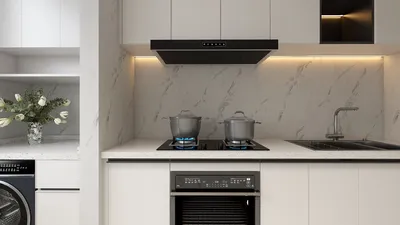


The phrase "drawing room" isn't just an antiquated term from history. Originally known as the "withdrawing room," it referred to an elegant space where hosts and guests could step away from dining or public areas to engage in conversation and enjoy each other's company in a peaceful setting. Today, the drawing room embodies the spirit of gracious hospitality—often serving as a formal living area that sets the scene for gatherings, reading, or conversations before and after meals. Although its usage may vary across cultures and countries, the drawing room still signifies a curated social environment, a purpose well recognized in the realm of design tools like Homestyler.
The social role of this space is crucial. Studies reveal that thoughtfully designed living conditions can greatly influence mood and behavior. For example, color psychology indicates that gentle blues and greens promote relaxation and encourage tranquil interactions, supported by research from Verywell Mind that correlates cool tones with calmness, while warm hues foster a friendly atmosphere. Additionally, lighting plays a pivotal role: the Illuminating Engineering Society (IES) suggests aiming for lighting levels around 100–300 lux in living areas to facilitate comfortable conversations without harsh glare, with layered lighting enhancing versatility and ambiance. For an in-depth exploration of how color affects sentiment, consider visiting Verywell Mind’s resources on color psychology.
Comfort and ergonomics are essential in a drawing room. Research by Steelcase shows that people's postures shift frequently while seated during conversations—experiencing dozens to over a hundred micro-movements each hour. This emphasizes the necessity for diverse seating options and supportive cushions. Furthermore, the WELL v2 standards highlight the importance of sound and glare control in residential spaces, advocating for a blend of balanced reverberation and visual comfort to minimize stress and fatigue. Key considerations include appropriate seat height (generally 16-18 inches), supportive armrests for ease of movement, and textiles that absorb sound, which is especially beneficial in rooms with high ceilings.
What Does a Drawing Room Represent Today?
In contemporary contexts, the definition varies. In the UK and certain Commonwealth countries, a drawing room usually refers to a formal living space designated for entertaining guests, separate from a more casual family lounge. In the United States, the term is less prevalent, with "living room" or "parlor" being more common; however, upscale residences may still use "drawing room" to evoke a sense of tradition and sophistication. Regardless of the terminology, the fundamental feature remains: a refined area intended for hosting guests and facilitating conversation, distinct from everyday casual lounging that often centers around a television.
Historical Context and Etiquette
Historically, the drawing room emerged from a space connected with dining areas, where hosts and their guests would retreat after meals. This area also adhered to specific etiquette: seating arrangements were closely aligned with social status, topics of conversation were carefully chosen to avoid sensitive subjects, and services such as tea or drinks were conducted with elegance and discretion. Although contemporary etiquette is less rigid, the drawing room still benefits from arrangements that promote comfortable conversation circles, areas to place drinks or books, and adaptable lighting that seamlessly shifts from day to night entertaining.
Design Elements of a Drawing Room
Typically, a drawing room emphasizes proportion, symmetry, and visual harmony. Sofas and lounge chairs are arranged to encourage face-to-face conversations, while a central rug grounds the social setting. Occasional furnishings—like nesting tables, console tables, and bookshelves—support a range of activities. Material choices focus on tactile richness: utilizing wool rugs for sound absorption, breathable linen or cotton blends, and warm-toned wood surfaces to create a comforting visual temperature. In open-plan homes, a drawing room might be delineated by ceiling details, wall colors, or furniture arrangements rather than solid partitions.
Lighting and Acoustic Comfort
Effective layered lighting enhances both mood and functionality: ambient light should range between 100-300 lux for general use, accent lights to showcase artwork or architectural features, and task lighting positioned near reading spaces. Warmer light color temperatures (2700-3000K) create a cozy atmosphere in the evening, while glare management techniques—including matte finishes, diffusing materials, and shielded lighting fixtures—ensure visual comfort. Achieving acoustic balance often depends on a mix of soft and hard surfaces: textiles, drapery, and upholstered pieces can counteract the hard floors and plaster walls, leading to a serene and low-reverberation space where voices flow easily.
The Influence of Color on Mood
The choice of colors directly impacts social dynamics. Cooler color palettes, like soft blues and muted greens, promote calm discussions and reading, whereas warm neutrals such as taupe, sand, and cream create an inviting atmosphere. Rich accent colors—like emerald cushions, cinnabar vases, and indigo throws—can inject energy without overwhelming, provided they are used sparingly. It's also wise to consider the orientation of the room: north-facing spaces often benefit from warmer shades that compensate for cooler light, while south-facing rooms might balance the sun's intensity with softer neutral tones.
Furniture and Layout Considerations
Creating an engaging atmosphere for conversation often involves circular or horseshoe layouts. Maintain comfortable distances—generally around 6-8 feet within conversation clusters—and ensure clear pathways throughout the space. If your drawing room serves additional purposes, like a library or music area, position reading chairs near lamps and side tables, and soften sound from a piano or audio system with rugs and drapes for improved acoustic management. Utilizing a room layout tool can assist in visualizing circulation and sightlines effectively.
Human Factors in Ergonomics
Comfort arises from thoughtful design choices: maintaining seat depth within the 19-22 inch range accommodates various postures; aligning arm heights with natural elbow positions alleviates shoulder strain; and incorporating diverse seating styles—club chairs, settees, and chaise lounges—caters to different body shapes and preferences. Ensure surfaces for coffee tables are about 16-18 inches high and side tables around 22-26 inches high to keep drinks and books accessible. For prolonged gatherings, consider ventilation and thermal comfort essential; breathable materials and operable windows can complement subtle mechanical ventilation solutions.
Materials That Emphasize Sustainability
Choosing sustainable materials doesn't sacrifice style. Look for FSC-certified wood, natural fiber textiles, and low-VOC finishes to maintain good indoor air quality. A wool rug not only adds durability but also provides sound absorption. To ensure longevity, select well-crafted furniture with replaceable cushion cores; this approach minimizes waste while keeping the drawing room looking fresh over time. Thoughtfully chosen materials not only age gracefully but also enhance acoustic warmth and tactile comfort.
Differentiating Between Drawing Room and Living Room
While both spaces accommodate social activities, the drawing room traditionally denotes a formal setup primarily for guests, contrasting with a living room designed for family life and entertainment. The differentiation is often subtle—sometimes it involves styling choices: fewer screens, an emphasis on books and art, and seating arranged around conversation rather than television. In compact homes, the functions may merge; ultimately, it's the intention behind the space's layout and material selection that dictates its character.
Emerging Trends in the Modern Drawing Room
Recent design trends favor layered textures, curated art displays, and adaptable furniture that transitions between intimate conversations and small gatherings. Incorporating biophilic elements—such as plants and natural woods—enhances perceived comfort and overall well-being. Discreet technology, including hidden speakers and smart lighting systems, facilitates effortless entertaining while maintaining a serene aesthetic. The end result is a space that feels both timeless and responsive to the needs of modern living, allowing tools like Homestyler to effectively visualize and execute these designs.
Choosing the Right Name for Your Space at Home
Whether you opt for "drawing room," "salon," or "parlor," the designation should reflect how you intend to use the area. If formal hosting and peaceful reading take precedence, "drawing room" is fitting. Conversely, if family relaxation and multimedia activities dominate, "living room" may be more appropriate. Ultimately, the design intent and the rituals practiced within the room contribute to defining its identity.
Common Questions
Not in the traditional sense. A drawing room is usually a formal space focused on guests, while a living room centers more on everyday family activities and media.
The name originates from "withdrawing room," a space where hosts and guests would retire to engage in quieter conversation post meals.
For general use and conversation, aim for ambient light of around 100-300 lux, complemented by warm color temperatures (approximately 2700-3000K) in the evenings, in accordance with IES recommendations for residential environments.
Cool tones such as soft blues and greens encourage relaxation, while warm neutrals foster an inviting atmosphere. Accent colors can invigorate a space when thoughtfully applied, supported by insights from color psychology compiled by Verywell Mind.
To promote face-to-face discussions, circular or horseshoe seating arrangements work best. Maintain comfortable distances of around 6-8 feet between conversation areas, ensuring unobstructed pathways. Using a room layout tool can help streamline the process of optimizing your space.
Utilizing textiles like wool rugs, heavy drapes, and upholstered items can significantly reduce sound reverberation, promoting a natural conversational quality.
It certainly can, though many homeowners choose to limit screens to preserve a more formal atmosphere. If included, strategies for concealment or thoughtful placement can maintain a balanced visual environment.
Layered lighting, rich materials, acoustic balance, curated art, and versatile seating define the modern iteration of the drawing room, prioritizing conversation and hospitality over constant media consumption.
Proportion is key: opt for a well-sized sofa, a pair of comfy chairs, a central rug, warm lighting, and a select few refined accents. Avoid clutter to maintain a sense of symmetry and visual serenity.
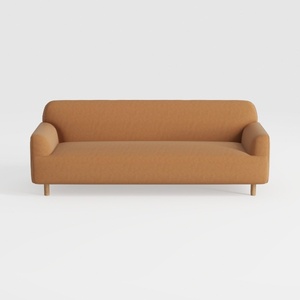
Minimalist Fabric Wooden Legs Sofa 3D Model
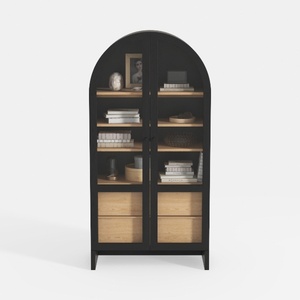
Modern Black Oak Arched Glass Display Cabinet 3D Model
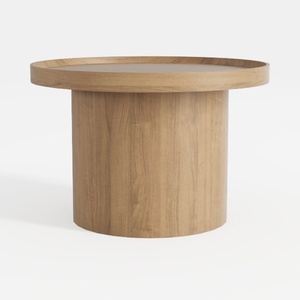
Minimalist Solid Oak Round Coffee Table 3D Model
Looking to transform your home? Homestyler is your go-to online design platform! With its user-friendly design tool, stunning 3D renderings, and a wealth of inspiring DIY video tutorials, you can create beautiful spaces effortlessly—ideal for both beginners and seasoned designers!
지금 무료로 디자인하세요
































