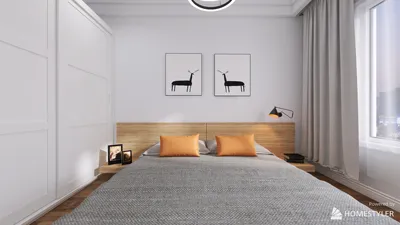


The pricing of suites is not random; it is influenced by various factors including local market conditions, the quality of space, branding, and operations. In my experience with hospitality projects, I've noticed that two suites with the same floor area can demand different prices when factors like view, noise management, and amenities vary. According to the Gensler U.S. Workplace Survey, well-designed spaces enhance user experience and perceived value, a tactic that hotels effectively utilize through strategic layout and service enhancements. Furthermore, research from Herman Miller has shown a strong connection between environmental comfort and guest satisfaction, emphasizing the importance of acoustics, ergonomics, and lighting in hospitality contexts. When leveraging tools like Homestyler for layout design, these elements become even more critical.
Design standards significantly impact the cost of stays due to regulations on lighting and wellness guidelines. The WELL v2 standard highlights how crucial daylight access, glare control, and thermal comfort are for user experience—characteristics that differentiate standard suites from premium offerings. The Illuminating Engineering Society (IES) suggests specific lighting levels, and when implemented with dimming capabilities and warm color temperatures (around 2700–3000K for relaxing areas), these features can increase material and control system expenses while elevating perceived quality. This data-driven approach illustrates why two suites within the same hotel may have unequal pricing: one benefits from evidence-based design, while the other only meets minimum requirements.
Location, View, and Floor Height
Real estate fundamentals drive the pricing discussion. A corner suite with stunning skyline views and minimal glare usually demands a higher Average Daily Rate (ADR) because these desirable views are limited and easily recognized by guests. Higher floors often mitigate street noise and enhance natural light quality, creating a more calming visual experience. When I design upper-floor suites, I ensure to balance natural light with blackout options to avoid excessive brightness at dusk—this subtle adjustment can enhance sleep quality and perceived value.
Suite Size, Layout Efficiency, and Zoning
Simply having more square footage does not guarantee a premium experience. The efficiency of the layout—such as distinct areas for living, sleeping, and working; logical flow; and varying degrees of privacy—plays a crucial role. Suites featuring separated bathrooms, strategically placed walk-in closets, and soundproof doors outperform those that are merely spacious but poorly designed. When evaluating options, it’s wise to examine the floor plan to assess door swings, desk arrangements away from HVAC drafts, and sightlines that ensure privacy—this is where tools like Homestyler can be particularly useful for visualizing room layouts.
Brand Tier, Service Model, and Amenity Stack
Brand tiers dictate the expectations regarding finishes, service levels, and available amenities. Luxury suites command higher prices for features such as natural stone finishes, soft-close cabinetry, sound-proof mini-bars, and curated art collections, supported by a higher staff-to-guest ratio. On the contrary, extended-stay brands can offer competitive pricing while providing kitchenettes and laundry facilities, making them appealing for longer stays, despite using materials that may be more durable yet less luxurious. In my projects, I align finishes with lifecycle costs; mid-tier materials like textured quartz often deliver better value operationally while maintaining aesthetic quality.
Seasonality, Demand Curves, and Events
Pricing fluctuates with the calendar. Events such as conventions, festivals, and holiday seasons create spikes in demand across many sectors. Revenue management teams assess these patterns to optimize pricing strategies for suite categories. For guests with flexible plans, the shoulder seasons can offer significant savings—especially for suites with great views during periods of good weather and extended daylight. I recommend monitoring event schedules and booking in advance when major conferences are imminent.
Lighting, Acoustics, and Sleep Quality
The combination of lighting and sound management are key factors in guest satisfaction and pricing, often more than travelers may realize. Suites that offer layered lighting options (such as ambient, task, and accent), low-glare solutions, and adjustable warm color tones create a tranquil and upscale atmosphere. Consideration of acoustics is equally important; features such as double-gasketed doors, plush carpeting, and soft-fabric wall panels effectively minimize noise. This cohesive strategy promotes better rest, which guests inherently value. In my designs, I prioritize dimmable bedside lighting at 2700K and high color-rendering index lighting in living areas to ensure color accuracy and flattering skin tones.
Color Psychology and Material Selection
Color greatly influences mood and perception of price. Warmer neutrals and muted tones are conducive to relaxation, while deeper hues like navy and forest green add depth without overwhelming the senses. Research from Verywell Mind confirms that colors can affect calmness and focus—something hotels strategically utilize to align their brand's atmosphere with guests' expectations. Material selection is also critical: engineered wood is resilient against humidity, acoustic underlays reduce noise transfer from hallways, and textured wall treatments help mask scuff marks, all contributing to the suite maintaining its fresh appearance over time and enhancing perceived ADR.
Ergonomics, Furniture, and Spatial Ratios
Thoughtful ergonomic design elements can subtly impact pricing perceptions. Features such as appropriately sized desks, lumbar support in chairs, easily accessible bedside outlets, and luggage platforms within ideal height ranges enhance functionality and alleviate strain. Maintaining spatial ratios—such as providing at least 36 inches of space around beds—avoids pinch points and elevates the sense of luxury. I often design headboards to include integrated lighting fixtures positioned at 26–30 inches from floor level to avoid glare during reading.
Technology, Connectivity, and Workflows
Reliability is key for business travelers who are willing to pay a premium for dependable technology. Suites equipped with robust Wi-Fi, multiple USB-C charging ports, app-controlled temperature and shading systems, and quiet mini-split HVAC setups tend to command higher rates. Similarly, technology that is user-friendly without complex manuals enhances satisfaction; overly complicated interface reduces the guest experience. I prefer straightforward lighting and climate control scenes—‘Relax,’ ‘Work,’ ‘Sleep’—to keep the user experience intuitive.
Bathroom Experience and Water Fixtures
Wet areas significantly impact cost perception. Features like soaking tubs, dual vanities, rainfall showerheads, and efficient ventilation systems stand out as desirable elements. The quality of water fixtures and their maintenance directly affect pressure stability and temperature reliability. When selecting these elements, I find the balance between tactile pleasure and durability is crucial; these decisions resonate through pricing structures.
View Management, Privacy, and Thermal Comfort
Guests are willing to pay a premium for enjoyable views. Effective glare control, privacy treatments, and quality blackout options transform windows into advantageous features rather than drawbacks. Ensuring thermal comfort goes hand in hand with visual appeal; uniformly distributed air, avoidance of drafts, and responsive thermostat systems enable functional space while enhancing comfort.
Sustainability and Lifecycle Value
Implementing energy-efficient windows, smart LED systems, low-VOC paints, and durable fabrics not only cuts operating costs but also keeps suites fresh longer. Selecting materials based on maintenance cycles—such as stain-resistant upholstery and modular rugs—sustains aesthetic values and justifies seasonal pricing. Guests are increasingly drawn to the understated luxury of sustainability—comfort that endures while remaining unobtrusive.
How to Compare Suites for Best Value
• Requesting a floor plan helps confirm various zones, circulation widths, and elements for sound dampening.
• Assess window placement along with glare management and blackout features.
• Examine the variety of lighting sources and their color temperatures to improve relaxation and productivity.
• Evaluate the quality of bathroom fixtures along with their ventilation systems.
• Confirm the reliability of technology, position of outlets, and controls for temperature or shading.
• Consider seasonal trends and calendar events for optimal booking timings.
• For noise-sensitive travelers, seek out higher floors and corner suites for better sound privacy.
FAQ
Q1: Do higher floors always cost more?
A1: Not necessarily, but often. Higher floors can reduce noise and offer better views, which increases both perceived value and demand. Pricing can also be influenced by factors like view quality, elevator access times, and brand strategy.
Q2: Is a larger suite automatically better value?
A2: Size is a factor, but effective zoning and sound management are often more crucial. A small well-designed suite with ample light, privacy, and ergonomic furnishings can provide a superior experience compared to a larger but poorly organized space.
Q3: Which lighting features should I look for?
A3: It's essential to have layered lighting options including dimmable warm ambient lights (around 2700–3000K), glare reduction features, and task lighting in work and reading spaces. This combination supports relaxation and productivity without causing eye strain.
Q4: How much do brand tiers influence price?
A4: Considerably. Luxury brands typically invest in high-quality finishes, attentive service ratios, and enhanced amenities, which all contribute to higher operational costs and increased ADR. Conversely, select-service and extended-stay brands may emphasize durability and practical functionality, delivering strong value to guests.
Q5: Are corner suites worth the premium?
A5: Generally, yes. Corner suites usually provide two exposures, superior natural light, and a more pleasing spatial flow. When glare is controlled and privacy is maintained, the additional cost is usually justifiable for travelers.
Q6: Does color really affect how expensive a suite feels?
A6: Absolutely. Softer neutral colors and rich, calming shades can impact mood and perceptions of luxury. Research on color psychology indicates that tranquil palettes enhance comfort, which guests often associate with higher value.
Q7: What tech features signal a well-priced suite?
A7: Features like fast, reliable Wi-Fi, simple lighting and shade adjustment systems, multiple USB-C charging ports, and quieter HVAC systems are indicative of a well-priced suite. Guests prioritize reliability and ease of use over flashy technology.
Q8: How can I avoid paying event-inflated rates?
A8: Keep an eye on local event calendars, make reservations early, and aim for travel during shoulder seasons. Having flexibility with dates and choosing mid-week stays in tourist areas often leads to better rates.
Q9: Are soaking tubs or rainfall showers worth the upgrade?
A9: If relaxation is a key priority, then yes. Quality fixtures that ensure consistent pressure and good water management enhance the overall experience and help justify higher prices, especially for longer stays.
Q10: What layout details make a suite feel truly premium?
A10: Important features include clear zoning, pathways with at least 36 inches of circulation space, thoughtful privacy levels between different areas, sound-insulated doors, and furniture arrangements that support comfort while minimizing visual clutter.

Modern Minimalist Solid Wood Round Dining Table With Black Metal Base 3D Model
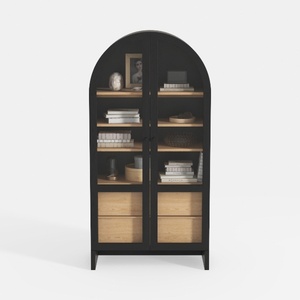
Modern Black Oak Arched Glass Display Cabinet 3D Model

Minimalist Tan Leather L-Shaped Sectional Sofa 3D Model
Homestyler is your go-to online home design platform that makes creating beautiful spaces easy and fun. Enjoy its intuitive design tool, stunning 3D renderings, and a wealth of design projects and video tutorials to guide you. Turn your home design dreams into reality effortlessly!
立即免费设计
































