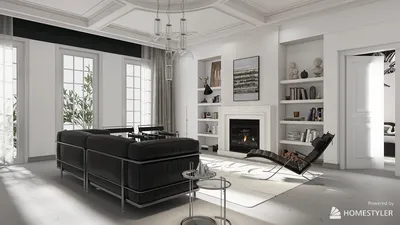


In retail store design, the significance of lighting cannot be overstated; it fundamentally shapes the shopping experience. Effective lighting not only boosts product visibility but also cultivates a welcoming ambiance while affecting consumer purchasing choices. This article delves into the essentials of store lighting design, highlighting the various types of lighting, optimal placement techniques, and the psychological effects lighting has on shoppers. To begin with, an understanding of the distinct types of lighting is critical. Retail lighting generally comprises ambient, task, and accent lighting. Ambient lighting provides general illumination, ensuring the environment is sufficiently bright for easy navigation by customers. This can be achieved through overhead fixtures or wall-mounted sconces. Conversely, task lighting is focused on specific activities taking place in certain areas, such as checkout counters or product displays. Accent lighting serves to highlight particular products or sections, directing attention and establishing focal points, often accomplished with track lighting or spotlights. The strategic placement of lighting fixtures stands as a fundamental aspect of store lighting design. Fixtures should be positioned thoughtfully to eliminate shadows and ensure an even light distribution throughout the area. For instance, placing lights above product displays can significantly enhance their visibility and encourage customer exploration. Additionally, using dimmable lights can help adjust the mood depending on the time of day or special sales events. Furthermore, the psychological effect of lighting should not be underestimated. Warmer lighting tends to foster a cozy and inviting environment, while cooler tones can inspire a more modern and energetic mood. Research indicates that lighting color temperature impacts consumer behavior—warmer hues may encourage longer shopping durations, whereas cooler shades can expedite decision-making. Hence, selecting the appropriate color temperature is crucial for designing an optimal shopping experience. Moreover, adopting energy-efficient lighting solutions such as LED bulbs not only cuts down energy expenses but also contributes to a sustainable business model, aligning with the increasing consumer focus on eco-friendly practices. It is also vital to routinely evaluate your lighting design. As product assortments change or season displays are planned, adjusting your lighting design can refresh the space and maintain customer interest. Experimenting with various lighting techniques or seasonal themes can generate a vibrant shopping atmosphere that encourages repeat visits. In summary, effective store lighting design is a complex component of retail that necessitates careful planning. By utilizing appropriate lighting types, thoughtful fixture placement, and an understanding of consumer psychology, retailers can craft an engaging shopping experience that not only showcases products but also enhances customer satisfaction. With the rise of online shopping, it becomes increasingly important for physical retail spaces to differentiate themselves through impactful lighting design. Embrace innovation in your lighting choices with tools like Homestyler to ensure your store remains a preferred destination for shoppers.
Tips 1:
Utilize a diverse mix of lighting types for optimal results in your retail store design.
FAQ
Q: What is the most effective lighting configuration for retail stores? A: A blend of ambient, task, and accent lighting is advised to boost visibility and create an inviting setting within retail spaces.
welcome to Homestyler



Homestyler is your go-to platform for transforming your home design ideas into reality. With its user-friendly online design tool, stunning 3D renderings, and a plethora of inspiring design projects and video tutorials, you can create a beautiful space with ease. Start designing today!
Design jetzt kostenlos
































