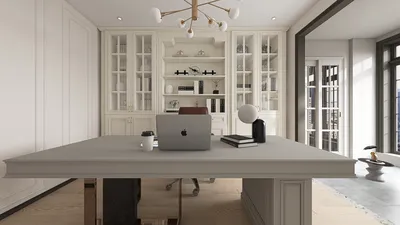


Glossy tiles introduce a sleek, reflective elegance to living rooms, enhancing the interplay of light, dimensions, and materials in ways that matte finishes simply cannot achieve. I often choose glossy porcelain or glazed ceramic tiles when aiming to brighten a space, create the illusion of height, and enhance visual clarity—particularly beneficial in smaller rooms or residences where durable, low-maintenance surfaces are essential. Beyond their aesthetic appeal, the reflective finish can influence how we perceive proportions and our movement across the floor.
Studies indicate that surface reflectance significantly impacts comfort and productivity levels. The WELL Building Standard v2 emphasizes the need for controlling glare and achieving balanced lighting to enhance visual comfort and circadian health; reflective surfaces play a role in distributing ambient light, provided that glare is managed effectively in designated task areas (source: WELL v2). Research in workplace settings applicable to home environments by Steelcase highlights that balanced lighting can enhance focus and minimize visual fatigue, thus promoting the case for glossy surfaces as natural light amplifiers when integrated with diffuse lighting solutions (source: Steelcase Research).
The Impact of Glossy Tiles in Living Spaces
High-gloss tiles effectively reflect ambient light, making ceilings appear higher and corners feel less constricted. In open-concept living areas, this finishing technique helps seamlessly blend different functions—like seating, reading, and dining—creating a unified visual space. A reflective floor evokes an understated sense of dynamism and dimension, necessitating a deliberate lighting strategy: utilizing diffuse uplighting, shaded sconces, or redirecting light off ceilings can help mitigate hotspots and glare.
Material Analysis: Comparing Porcelain and Ceramic
Porcelain tiles feature dense structures and low porosity, making them ideal for high-traffic areas in living rooms due to their wear resistance. Meanwhile, glazed ceramic tiles are commendable for their color variety and affordability in lower-footfall spaces. I typically opt for porcelain with PEI ratings that suit residential flooring and favor tiles with slip resistance (DCOF) tailored to household requirements. Fully vitrified porcelain generally does not require sealants, but glazed ceramic tiles benefit from selective grout choices.
Color Choices, Sheen, and Psychological Effects
The choice of colors significantly influences mood and perceived space. According to Verywell Mind’s insights on color psychology, cooler tones like gentle blues and grays evoke calmness and spaciousness, while warmer neutrals offer comfort without constricting the area (source: Verywell Mind). High-gloss white or cream tiles magnify natural light; mid-tone taupe and stone-inspired finishes can temper reflectivity, creating an inviting, upscale atmosphere. In smaller living rooms, I tend to avoid overly bright gloss finishes, as intense color combined with high reflection can feel overwhelming.
Managing Light Quality and Glare
Glossy floors may generate highlighted reflections under intense downlighting. The IES advises employing layered lighting techniques to prevent glare; a balanced mix of soft ambient light, shielded accent illumination, and focused task lighting maintains comfortable luminance ratios (source: IES Standards). I tend to prefer warm-white LED lights (2700–3000K) with a high Color Rendering Index (CRI 90+) for living rooms, complementing them with floor lamps and wall fixtures that diffuse rather than direct light. Strategic placement of rugs and soft furnishings can also help absorb reflections and create a harmonious balance.
Proportions, Tile Size, and Joint Techniques
Employing large-format tiles (24×24 in, 24×48 in, or larger) can minimize grout lines and visually augment the size of the room. In elongated living spaces, positioning planks or rectangular tiles along the longer axis can extend sightlines effectively. Light grout that matches the tile color can lessen visual disruptions. If you are experimenting with furniture arrangements or traffic flow before finalizing your tile layout, utilizing a room layout tool can assist in visualizing zones and seam placements.
Texture and Safety from Slippage
It’s important to note that not all glossy finishes are excessively slippery. Many high-gloss porcelain tiles are designed with micro-texturing or adequate DCOF ratings suitable for home use. In families with children, pets, or older individuals, semi-gloss or polished tiles paired with area rugs in high-traffic areas can enhance safety. Ensuring entry mats are used at doorways can help minimize moisture on surfaces, boosting traction.
Acoustic Considerations
Hard, shiny surfaces can reflect sound waves instead of absorbing them. To maintain acoustic comfort, it's beneficial to include soft, layered elements: rugs with substantial underlayment, plush seating, draperies, and bookshelves can create a serene environment. The glossy floor can remain a central feature while textiles help mitigate excess sound reverberation. Strategically placing soft furnishings at the first reflection points—such as opposite speakers or walls with TVs—can further reduce echoes without sacrificing the elegant appearance.
Care, Durability, and Day-to-Day Maintenance
Glossy porcelain is resilient against everyday wear, with simple routines like sweeping and damp mopping covering most maintenance needs. Avoid using abrasive pads or oil-based cleaners that can leave a haze on the surface. For glazed ceramic tiles, opting for non-sanded grout helps prevent scratching during cleaning. In bright rooms, UV-stable finishes can ensure the gloss remains vibrant over time.
Sustainability and Health Implications
Many porcelain tiles incorporate recycled materials and are fired to ensure exceptional durability, which prolongs their lifespan. Selecting low-VOC mortars and grouts can enhance indoor air quality. Combining glossy tiles with natural fiber rugs and FSC-certified wooden furniture establishes an eco-friendly aesthetic.
Styling Tips: Combining Gloss with Warm Elements
Glossy floors thrive on contrast. Matte walls, textured fabrics, and wooden tones contribute to grounding the space. Incorporating brass or black metal details can provide a sophisticated counterpoint to the glossy finishes. In minimalist designs, employing a singular standout coffee table or an artistic lamp can prevent the interior from feeling empty against the shiny base.
Strategies for Practical Layouts
I position tile seams beneath furniture like sofas and credenzas to avoid unsightly cuts and slivers in visible spaces. In open layouts, maintaining a consistent tile design across living and dining areas, while distinguishing zones through rugs and layers of lighting, fosters a harmonious flow. If the layout remains a work in progress, utilizing an interior layout planner such as a room design visualization tool can allow you to experiment with furniture placement and tile orientations before finalizing decisions.
Common Mistakes to Steer Clear Of
Shining downlights on glossy floors can create harsh reflections; adjusting fixtures or incorporating diffusers can alleviate this issue. It's best to avoid intricate high-gloss patterns in smaller spaces, as they can come off as cluttered. Check the flatness of the subfloor, as glossy tiles will highlight any irregularities. Additionally, ensure that expansion joints and allowances for movement are properly addressed, especially over larger expanses.
Frequently Asked Questions
Modern polished porcelain tiles frequently adhere to residential DCOF specifications. Pair them with area rugs in high-traffic regions and ensure dry conditions near entrances for safety.
Glossy tiles can indeed be reflective when combined with harsh, unshielded downlighting. It’s advisable to use layered, softened lighting and matte finishes to harmonize reflections.
Reflective finishes can indeed enhance perceived spatial depth and brightness, particularly when used with large-format tiles and lighter color schemes.
Opt for porcelain tiles in high-traffic areas due to their durability and low porosity; glazed ceramic tiles are ideal for less trafficked spaces where vibrant colors are desired.
Microfiber mops and pH-neutral cleaning solutions are most effective. Avoid using waxes and oil-based soaps, as they can leave behind a residue or dull the finish.
Yes, most porcelain tiles are compatible with radiant heating systems. Just confirm installation guidelines and movement joint requirements with your contractor.
For a seamless appearance, color-match the grout with the tiles. When using large-format tiles, opting for a slightly lighter grout can minimize visual segmentation.
Glossy surfaces do reflect sound. Including rugs, curtains, and upholstered items can help absorb and balance sound reverberations.
These tiles generally boast scratch resistance, particularly porcelain options. To enhance traction, keep pet nails trimmed and use rugs in play areas.
The glossy finish is timeless, especially when harmonized with warm textures and thoughtful lighting designs. Classic stone-inspired gloss or subtle neutral tones can gracefully age over time.
What began as an Autodesk innovation has evolved into a design platform used by more than 18 million people around the globe. Homestyler combines powerful rendering, an intuitive editor, and a vast furniture library to help you turn inspiration into photorealistic designs — whether you're redesigning a single room or planning an entire home.
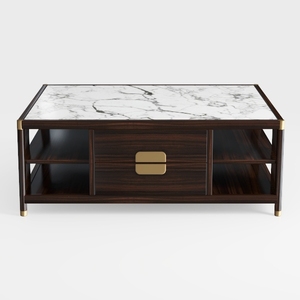
AWQM Retro Sideboard Buffet Cabinet with Power
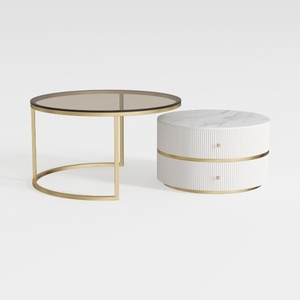
Modern Marble Glass Brass Round Nesting Coffee Tables 3D Model
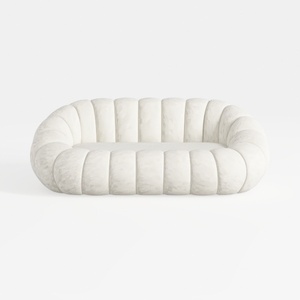
Minimalist Boucle Fabric Curved Sofa 3D Model
Homestyler is your go-to online home design tool, perfect for turning your ideas into reality. With impressive 3D renderings and a wealth of design projects, plus easy-to-follow video tutorials, you can confidently create and customize your ideal space.
Design jetzt kostenlos
































