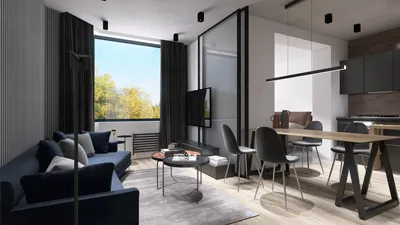


The color of your home's exterior extends beyond mere aesthetics—it plays a crucial role in enhancing interior daylight quality, improving thermal comfort, and influencing the overall atmosphere of the rooms inside. My experiences in various projects illustrate that the reflectance and color temperature of a facade can elevate the ambiance of a room, reduce glare, and even enhance the visual connection within the space. Research by the WELL Building Standard v2 demonstrates that optimizing daylight and mitigating glare significantly contribute to visual comfort and cognitive efficiency, promoting a balanced lighting environment (WELL v2 Light concept). Additionally, findings from Steelcase indicate that settings that support comfortable lighting levels can boost focus and overall well-being, highlighting the importance of the exterior color on the indoor experience, especially when using tools like Homestyler to visualize these effects.
The reflectance properties of your facade are essential. As per the Illuminating Engineering Society (IES), it's recommended that many spaces achieve a task illuminance between 300 to 500 lux; exterior surfaces with medium-light reflectance can effectively moderate daylight reflections to maintain these levels. In contrast, very dark facades tend to diminish ambient light and heighten contrast at windows, which can lead to discomfort from glare. Furthermore, on the topic of color psychology, Verywell Mind explains that cool shades promote calmness and concentration, while warm tones evoke energy and hospitality—key considerations when selecting exterior hues that subsequently influence the light inside.
Understanding How Exterior Colors Impact Interior Spaces
The color of your facade dictates the type of daylight that enters your interior. Lighter surfaces tend to reflect more sunlight and visible light, whereas darker tones absorb them, enhancing contrast near openings. Bright, high-chroma colors can create noticeable color spill indoors, particularly in spaces with deep window reveals or lighter finishes. I consider three key variables: the facade’s reflectance (Light Reflectance Value, LRV), the warmth or coolness of the hue, and the sun’s path in a given region. In south-facing areas receiving intense sunlight, a mid-tone, low-gloss exterior can tame the light bounce and stabilize interior brightness; meanwhile, north-facing areas may require a slightly higher LRV to boost ambient daylight without causing harshness.
Ideal Exterior Color Families for Interior Enhancement
Combining warm and cool shades, these colors create a soft, neutral daylight effect indoors. For instance, a warm greige facade can reduce excessive contrast around windows, facilitating a more comfortable reading light of 300–400 lux in living spaces. This subtle warmth helps maintain a relaxed atmosphere in social areas without adversely affecting the interior wall colors.
Earthy white shades not only possess high reflectance but also minimize harsh glare. They are excellent for brightening darker rooms, particularly those that face north or are shaded, while also ensuring that the colors in artwork and textiles remain true. In scenarios where glare is a concern, I often recommend pairing these with matte textures and deeper window reveals to mitigate light bounce.
Sage hues contribute to calming visual impressions and typically appear as cool-neutral. They can alleviate the sensation of heat and subtly reflect biophilic design principles. In home office environments, sage exteriors frequently provide a cool daylight that fosters concentration, as indicated by color psychology studies.
Cool blue tones enhance mental clarity and visual stability. They allow enough light to reflect without overwhelming harshness and avoid the color distortion associated with more saturated primary colors. I prefer slate blue for sunlit sites, as it reduces glare while preserving a fresh indoor atmosphere.
Dark, low-chroma charcoals absorb more light, which accentuates window contrasts. I typically reserve these for spaces requiring controlled, dramatic indoor lighting—such as media rooms or art studios—while ensuring that interior finishes balance this contrast to maintain visual comfort.
Understanding Light Reflectance Value (LRV)
LRV measures the percentage of visible light that a color reflects (0 represents black, and 100 represents white). For homes aiming to improve indoor comfort, I generally recommend exteriors within the 45–70 LRV range—bright enough to enhance ambient light while low enough to prevent severe glare. Specific cases, such as historic bricks or deep timber, may have lower LRV; in such situations, I manage indoor lighting with layered ambient and task sources to achieve the recommended IES ranges.
Controlling Glare, Color Casts, and Material Sheen
The sheen of a surface affects how light interacts with it; glossy finishes heighten specular reflections, while matte ones diffuse them. Choosing a satin or matte exterior can lessen glare near window edges and diminish color casts within the space. If a client prefers a bright white exterior, I recommend using landscaping elements (such as soft foliage diffusers) and canopies to disrupt direct reflectance paths, thereby enhancing visual comfort in adherence to WELL v2 glare standards. The use of textured finishes—like limewash, fiber cement with micro-texturing, or mineral paints—can also help to soften harsh reflections.
Climate, Orientation, and Seasonal Dynamics
In hot climates with significant sunlight, lighter exteriors help curb heat gain and provide a gentler daylight experience; cool climates can opt for mid-tone warm colors to preserve thermal mass aesthetics and a cozy indoor atmosphere. Room orientation is vital: east-facing areas capture sharp morning light—select cool exteriors to maintain freshness; whereas west-facing spaces may encounter evening glare—muted, mid-LRV tones can be chosen to soften and stabilize indoor light. Seasonal changes in leaf cover respond to daylight quality; therefore, I frequently utilize layout and daylight simulations prior to finalizing color selections. Tools like room design visualizers, including Homestyler, are invaluable in assessing glare paths and seating arrangements.
The Psychology of Color and Room Functionality
Aligning the exterior color with the intended use of the interior space is critical. Social areas, such as living and dining rooms, generally benefit from warm neutrals outside, creating a congenial glow indoors. Conversely, areas meant for focus, such as studies or craft rooms, should favor cooler exteriors to ensure clear light. Bedrooms can gain from muted, low-chroma exteriors to prevent overstimulation from color spill during early morning light. The color psychology insights from Verywell Mind reinforce these associations: cool tones promote calmness, while warm colors provide comfort.
Material Choices and Sustainability Considerations
The color of the facade is inherently linked to the materials used. High-performance coatings and mineral paints maintain color integrity and minimize glare via micro-texture. Sustainable cladding options—like recycled fiber-cement, responsibly sourced timber, or bricks treated with limewash—not only ensure long-term durability but also feature low VOC finishes. I assess the embodied carbon and life cycle maintenance of materials: lighter matte systems often lead to reduced repaint frequency due to their UV resilience and visual adaptability.
Acoustic and Community Context
Although color alone does not absorb sound, the choice of material and surface texture impact the perceived acoustic tranquility. Textured, matte claddings can diminish echoes in outdoor spaces, promoting a calm atmosphere. Additionally, it’s beneficial to consider the color palette of the neighborhood—aligning with nearby facades reduces visual discord and promotes a harmonious streetscape, which can psychologically enhance the calmness felt indoors.
Effective Color Combinations
- A warm greige exterior complements bronze accents and off-white interior walls for a gently glowing evening ambiance.
- An ivory facade with a matte finish, blended with cool gray interiors, can maintain neutrality in daylight.
- A sage exterior paired with a natural stone base, sharp white trim, and pale oak flooring creates a sense of biophilic continuity indoors.
- A slate blue facade combined with black window frames and light maple interiors strikes a balance between coolness and warmth.
- A weathered charcoal exterior with deep reveals, warm cabin lighting, and textured drapes effectively manage contrast levels.
Design Workflow Suggestions
I recommend testing paint samples on the sunniest elevations and observing them throughout various weather conditions—cloudy and sunny days, morning and afternoon light. Measuring indoor illuminance at key tasks helps confirm that we meet IES standards. If levels are elevated, I advise lowering the LRV or introducing matte texturing; if they are too low, I suggest increasing the LRV slightly. When window contrast remains high, solutions such as sheer shades or exterior screens can assist in achieving comfort according to WELL v2 standards.
Frequently Asked Questions
Q1: Which exterior color typically enhances interior brightness without causing glare?
A soft, high-LRV neutral, such as bone or warm ivory in a matte finish reflects adequate light while diffusing any harsh bounce, thereby supporting the target ranges set by IES.
Q2: Can a dark facade create the illusion of a smaller living room?
Indeed, darker exteriors heighten contrast at windows, which can make interior edges appear sharper and rooms seem cozier. If you prefer darker facades, balance them with lighter interior finishes and layered ambient lighting.
Q3: Does exterior color impact productivity in my home office?
Absolutely. Cool, muted exteriors like sage or slate blue facilitate neutral daylight that enhances focus, resonating with the color psychology principles noted by Verywell Mind.
Q4: What LRV range is advisable for homes with mixed orientations?
Typically, an LRV range of 45–70 is ideal, providing a balanced brightness throughout different rooms without introducing glare in sunnier areas.
Q5: How can I minimize color casting inside from a vivid exterior?
Opt for low-chroma alternatives, utilize matte textures, and match them with neutral interior walls. Combining deep window reveals and exterior screens can further reduce color spill.
Q6: Do glossy exterior paints affect visual comfort negatively?
Yes, gloss finishes amplify specular reflections and can intensify glare at window edges. Satin or matte exteriors are better for maintaining interior comfort.
Q7: Are there specific color strategies tailored to the climate?
In hot, brightly lit climates: choose lighter, matte exteriors to help alleviate glare and manage heat. In cooler, less illuminated climates: mid-tone warm colors can elevate indoor light and warmth perception.
Q8: What methods should I use to test colors prior to finalizing my choice?
Apply substantial color samples to the sunniest elevations, observe how they appear in various conditions over time, and assess interior lux levels at crucial tasks to confirm comfort against IES recommendations.
Q9: Do exterior blue shades make interiors feel cold?
Dusty or slate blue tones can create a cool ambiance but are often perceived as composed rather than cold, particularly when paired with warm interior materials like wood and textured fabrics.
Q10: Can exterior color influence the quality of sleep in bedrooms?
Muted, low-chroma exteriors help minimize stimulating color spills at dawn. Combining these colors with blackout shades can facilitate consistent circadian lighting management.
Q11: What should I do if my neighborhood enforces strict palette regulations?
Work within the approved colors, emphasizing LRV and finish preferences. Subtle adjustments in texture and value can optimize interior daylight without violating guidelines.
Q12: How does landscaping affect the relationship with facade color?
Landscaping can act as a natural light diffuser. Light foliage against light-colored facades can soften glare and introduce dynamic dappled light indoors, thereby enhancing visual comfort.


Homestyler is your go-to online home design platform! With an intuitive design tool, stunning 3D renderings, and inspiring DIY video tutorials, it empowers anyone to effortlessly create and visualize their dream spaces. Transform your home design journey today!
Desain sekarang Gratis
































