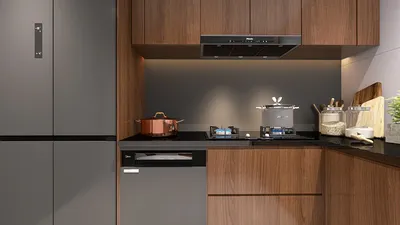


Have you ever considered how the color temperature and mood lighting in a space influence your emotions?
Color temperature indicates the warmth or coolness of light, measured in Kelvin (K).
Light sources with lower color temperatures (approximately 2000-3000K) tend to emit a warm, yellow hue, whereas those with higher color temperatures (around 5000-6500K) produce a cool, blue-white light.
Research indicates that cool lighting can enhance productivity and alertness, while warm lighting fosters relaxation and comfort.
The overall ambient lighting within a room can also affect our feelings. Bright, intense light can be invigorating and uplifting, while softer, dimmer lighting has a calming effect.
Yet, both excessive and insufficient lighting can yield adverse consequences. Excessively bright light may lead to eye discomfort and headaches, whereas overly dim lighting can contribute to feelings of lethargy and depression.
The type of lighting employed in various settings directly influences our emotional responses. For instance, bright, cool lighting is frequently found in offices and hospitals to maintain alertness, whereas warm, subdued lighting is prevalent in restaurants and lounges for a more relaxing ambiance.
Lighting can also alter our perception of color and texture. Various lighting choices can render colors more vibrant or subdued and can enhance or mask certain textures.
In summary, the interplay of color temperature and ambient lighting in any given space profoundly impacts our mood and overall well-being. By selecting appropriate lighting, particularly using tools like Homestyler, we can design environments that encourage productivity, comfort, and tranquility.
立即免费设计
































