


I view color as a crucial element that influences behavior, comfort, and how we perceive space. It goes well beyond just being paint on walls. Factors such as the selected palette, lighting conditions, and finish materials can create the illusion of larger spaces, evoke calmness, or spark energy, fundamentally affecting how individuals work, relax, and connect.
A well-defined color strategy should be based on measurable outcomes. According to WELL v2, ambient lighting should enhance circadian health by achieving specific melanopic Equivalent Daylight Illuminance (EDI) levels in work areas, and glare control is essential to mitigate visual fatigue. Research from Steelcase highlights that work environments that balance stimulation and restorative factors—often through strategic use of color and light—enhance employee wellbeing and concentration. These insights guide my approach to combining hue, saturation, and light temperature to precisely adjust the atmosphere and functionality of a space. For effective layout testing while coordinating color zones, tools like the innovative Homestyler can assist in visualizing paint divisions, accent walls, and furniture in a broader context.
The psychology of color plays a vital role alongside lighting. Verywell Mind indicates that blue fosters tranquility and focus, while yellow is invigorating and uplifting—ideal for spaces like kitchens and creative zones. In terms of ergonomics, Herman Miller’s studies emphasize limiting high-contrast edges in work areas to decrease eye strain; smoother transitions between wall colors and work surfaces contribute to this effort.
Foundations: Light, Saturation, and Visual Balance
The effect of color is significantly influenced by lighting. For spaces dedicated to reading or tasks, the Illuminating Engineering Society (IES) suggests achieving around 300–500 lux of horizontal illumination for general office activities, paired with neutral-white lighting (3500K–4000K) to preserve color accuracy. In living areas, softer ambient lighting levels of 100–200 lux create a cozy atmosphere that allows deeper shades to feel inviting instead of overwhelming. It’s important to maintain moderate gloss levels; surfaces with high gloss increase glare, while matte finishes help to diffuse light and mellow saturation.
Space Perception: Utilizing Hue and Value to Alter Volume
To visually expand a confined area, it's best to apply lighter shades on the walls and ceiling while opting for slightly darker tones on the floor to provide a sense of grounding. In longer, narrow spaces, painting the far end wall in a darker or warmer tone can help draw it forward, counteracting the tunnel effect. If ceilings are low, extend the ceiling color about 6–8 inches down the wall, using a picture rail or tonal band to trick the eye into perceiving greater height.
Palette Strategies for Common Spaces
Begin with a soft, desaturated base—options like warm gray, soft greige, or muted sage—and incorporate two accent colors at varying saturation levels. A rich teal or terracotta is effective for grounding built-ins, while lighter shades of clay or cream can enhance textiles. Follow the 60/30/10 rule: 60% base, 30% secondary, and 10% accent to create rhythm and balance.
Keep contrasts soft around the wall behind the bed to minimize visual distraction. Calm tones like muted blues, foggy greens, and dusty mauves help establish a serene environment. For bedside lighting, aim for bulbs between 2700K–3000K to warm skin tones and promote relaxation; using dimmers can further reduce ambient light to 50–100 lux as you wind down for the evening.
Warm-toned whites (rather than cool blue-whites) counteract sterile feelings in spaces illuminated by cooler task lighting. Introduce color through elements like backsplashes or island bases—consider cobalt, forest green, or vibrant paprika—and balance them with durable matte finishes to mitigate glare. Keep vertical surfaces lighter to bounce light; darker flooring can conceal wear while anchoring the setup.
Cool neutrals—slate, steel, or pale blue-gray—enhance focus. Save saturated accents for behind computer screens to minimize distractions in peripheral vision. Illumination levels of 350–500 lux on desks, supplemented by 4000K task lighting, are essential, and a background wall color should not sharply contrast with the screen.
Practical Applications of Color Psychology
In spaces meant for creativity, such as craft rooms or breakfast nooks, use energetic colors like bright yellow, coral, or fresh green. Employ calming shades like blue, eucalyptus, or smoky lavender in areas designated for rest or reflection. Bright reds and oranges can be utilized as micro-accent colors on items such as cushions, a singular chair, or artwork; however, their intense nature can lead to fatigue if overused.
Material Effects on Color
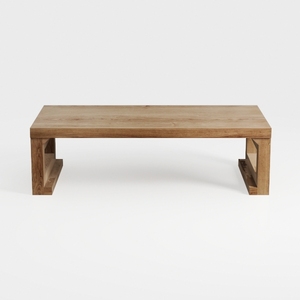
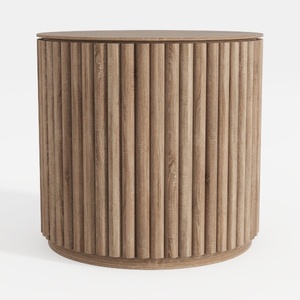
Natural materials bring inherent undertones that should be considered: oak appears warm and golden, while walnut has rich, cooler red undertones, and concrete may present a blue-gray tint. It’s vital to test paint samples near these materials at different times throughout the day. Textiles also influence color perception—bouclé and linen soften hues while leather and lacquer intensify them. For sustainable choices, Material ConneXion’s library provides insights on low-VOC coatings and bio-based materials that promote stable indoor air quality, preventing shifts in color perception from haze.
Acoustic Aspects and Color
While color itself doesn’t absorb sound, the materials in a space certainly can. Acoustic features such as felt panels, wool rugs, and acoustic plaster can reduce reverberation and carry deeper tones without causing glare. In media rooms, opting for darker, matte color schemes helps to lessen visual noise and enhances the perceived clarity of audio, allowing for increased concentration.
Color and Activity Designation
Assign specific colors to support different activities: deep, thoughtful hues for reading areas; bright and cheerful palettes in children's play zones; and neutral shades in circulation paths. Employ paint breaks at architectural features—like arches, niches, or datum lines—to clearly define these spaces. Tools like an interior layout planner, including options like Homestyler, can facilitate the alignment of color transitions with furniture placement and overall sightlines.
Ceilings, Doors, and Trim Finishings
The color of trim can instantly modernize a space. For a chic, unified look, match trim to wall colors, or opt for a slightly darker shade on doors to create visual rhythm. Consider painting ceilings in light shades—such as soft shell pink, cloud gray, or powder blue—to influence the perception of height and intimacy. Use a semi-matte finish on trim to strike a balance between durability and glare control.
Impact of Natural Light and Seasonal Changes
Rooms that face north will appear cooler; using warmer paint shades like mushroom, wheat, or clay can provide balance. South-facing rooms allow for the use of more saturated shades without feeling overwhelmingly heavy. In regions that experience long winters, incorporating warmer undertones can mitigate seasonal dullness. It's advisable to test larger swatches in natural light and artificial light at night, as LED spectra can vary and affect color rendering.
Design Trends for 2024–2025
Contemporary interior designs lean towards grounded color palettes featuring earthy tones, muted blues, and olives—with sporadic splashes of vibrant citrus or ultramarine. Textured paint techniques (like limewash and mineral paints) create visual depth without overwhelming the senses. Research from Steelcase and Herman Miller continues to endorse biophilic palettes—combining greens, natural browns, and soft blues—for restorative spaces, alongside brighter accents in collaborative areas.
Testing and Decision Making
Apply paint swatches of at least 24 x 36 inches on multiple walls, observe them over 48 hours, and take note of how they shift from morning to evening. Compare these colors against key materials—such as flooring, textiles, and woods. Confirm saturation levels considering the lighting conditions: if illumination increases, you may need to deepen colors by one step to maintain their character.
Commonly Used Color Palettes
- Soft Neutral Base: warm gray, bone, muted taupe, deep charcoal accent.
- Sea & Stone: pale blue-gray, fog white, slate, indigo accent.
- Earth & Ember: clay, ecru, olive, paprika accent.
- Minimal Warm Modern: greige shell, sand, walnut, midnight blue accent.
Frequently Asked Questions
Q1: How do I select colors that won't cause eye strain in my home office?
A1: Choose wall colors that maintain a narrow contrast relative to your monitor’s background, utilize muted cool neutrals, and provide 4000K task lighting at 350–500 lux according to IES standards to ensure visual comfort.
Q2: What colors can make a small bedroom appear larger?
A2: Opt for high-value (lighter) tones on the walls and ceiling—like soft off-whites or pale gray-blues—paired with slightly darker flooring to create a sense of elevation. Avoid sharp contrasts at trim to prevent visual fragmentation.
Q3: Are bold hues appropriate for kitchens?
A3: Yes, but they should be used judiciously—such as on island bases, backsplashes, or a single accent wall. Balance these with warm whites and matte surfaces to manage glare, ensuring task lighting meets recommended levels for food preparation.
Q4: What color is best for a living room that receives north-facing light?
A4: Warm neutral shades with undertones of clay or beige help counteract cool daylight. It’s important to test paint swatches under varying light conditions, as northern light can mute and cool colors.
Q5: How can color enhance productivity?
A5: Blues and cooler grays are conducive to focus, while small accents of yellow or green in peripheral vision can increase alertness. Research from Steelcase and Herman Miller suggests that balanced stimulation correlates with improved wellbeing.
Q6: Does the color of my ceiling affect the room?
A6: Definitely. A lighter ceiling can create an impression of height; slightly tinted ceilings foster a more intimate ambiance. Extending the ceiling color onto the wall by a few inches can visually raise the plane in lower rooms.
Q7: How can I avoid glare when using glossy paint?
A7: Apply matte or eggshell finishes on broad walls, keep semi-matte for trim, and coordinate this with appropriate light levels. High gloss is topically effective for smaller accents or doors.
Q8: Which materials complement saturated color palettes effectively?
A8: Textured and matte materials—like linen, wool, or limewash—soften saturation levels. Warmer woods can enhance cooler shades; for instance, walnut beautifully grounds vibrant blues while oak warms cool grays.
Q9: Can color positively affect acoustic comfort?
A9: While color itself doesn’t absorb sound, using acoustic materials can present color options. Utilizing felt panels and wool rugs in deeper tones can diminish echo while promoting a visually calm setting.
Q10: What’s a reliable starting palette for an entire home?
A10: Establish a warm neutral base (like greige or bone), add one cool-tone family (such as blue-gray), and one warm accent (for example, terracotta or olive). Ensuring consistent undertones across rooms creates a cohesive environment.
Q11: How can I manage color to adapt to changes in natural light?
A11: Monitor swatches through different times of day and across seasons, select paints that maintain stable undertones, and enhance warmth in spaces that experience cooler daylight.
Q12: Do biophilic color choices truly benefit wellbeing?
A12: Indeed. Greens, blues, and earth tones are associated with restoration in numerous workplace studies, and WELL frameworks advocate for environments that nurture circadian rhythms and enhance psychological health.

Homestyler is your go-to online design platform for transforming your home. With a user-friendly design tool, stunning 3D renderings, and a wealth of DIY video tutorials, you can effortlessly create and visualize your dream spaces. Unleash your creativity today!
Design jetzt kostenlos
































