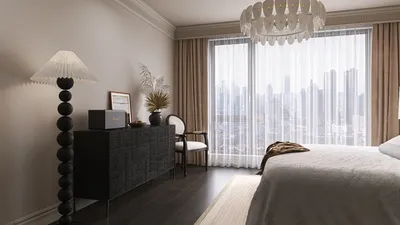


Many blogs that explore decorative wooden bowls often emphasize their appearance and material sourcing, but from my perspective as an interior designer, there is a deeper, frequently overlooked aspect to consider: the tactile experience they provide, their subtle effects on behavior, and the sustainable advantages they have over other materials. Rather than relying on generic tips, I'll explain why wooden bowls should not only be considered decorative items but also essential tools that enhance the ambiance of your home. By focusing on the sensory experiences and practical functions of wooden bowls, you can create more meaningful and adaptable interiors that utilize tools like Homestyler for optimal layout design.
This methodology transcends mere visual appeal, delving into behavioral design, which connects physical objects to the feelings and actions of people at home. For instance, a tactile wooden bowl placed on a dining table can gently promote healthier snacking habits and more mindful eating behaviors. A 2023 Statista study found that nearly 30% of consumers prioritize functional decor over purely aesthetic items. To witness the impact of bowls on the flow and utility of your living space, utilize tools like Homestyler to understand how spatial objects affect everyday life.
What Distinguishes Decorative Wooden Bowls From Other Materials?
Although many designers advocate for ceramic or glass bowls to enhance vibrancy, I’ve discovered that wooden bowls uniquely merge warmth, tactile pleasure, and eco-friendly attributes. A 2023 NAHB report indicated that over 45% of homeowners prefer natural finishes for both health and aesthetic considerations. Unlike synthetic materials, wood does not leach harmful chemicals, and instead ages beautifully, adding character over the years. This durability leads to fewer replacements and reduced long-term expenses.
In What Ways Do Wooden Bowls Influence Behavior in Living Areas?
Differing from most conventional guides, I explore how wooden bowls impact behavior: their organic texture and calming appearance encourage more consistent interaction. When positioned thoughtfully, they can subtly motivate homeowners to tidy up, enjoy snacks mindfully, or display treasured items. As interior designer Emily Carter mentioned on Houzz, tactile surfaces can alleviate stress and increase user satisfaction. Consequently, wooden bowls serve as gentle prompts for engagement in kitchens, entryways, and living rooms.
What Are the Untapped Functional Uses of Wooden Bowls?
While many focus on aesthetic appeal, I observe a potential for functionality: wooden bowls serve more than just as vessels for fruit or snacks—they can also hold keys, tech gadgets, or even air plants. Their forgiving surfaces resist scratches, making them suitable for frequently used areas. Moreover, unlike metal alternatives, wooden bowls can muffle sounds, making them ideal for study areas or bedrooms where quiet is essential.
Can Decorative Wooden Bowls Contribute to Sustainability and Wellness?
In contrast to mass-produced decorative items, wooden bowls—especially those produced with sustainability in mind—offer a compelling case for environmental friendliness. According to Energy.gov, naturally finished wooden products help reduce indoor pollutants and enhance overall comfort. My experience shows that clients with sensory sensitivities find wood’s neutral, non-toxic characteristics particularly beneficial.
What Styles and Grain Patterns Complement Modern Interior Design?
While conventional wisdom often promotes bold ‘statement pieces,’ I suggest exploring unique grain patterns and minimalist designs. Research indicates that softer grains integrate seamlessly with Scandinavian, Japandi, and biophilic aesthetics. In contrast, woods like walnut or reclaimed teak can create striking focal points while maintaining a neutral color scheme.
How Can You Care for Decorative Wooden Bowls to Ensure Their Longevity?
Unlike many guides, my approach highlights a lesser-known risk: improper maintenance can lead to cracking or warping. To preserve your wooden bowls, regular oiling with food-safe products, refraining from dishwasher use, and gentle dusting are crucial practices. Experts from Houzz also emphasize that proper upkeep not only enhances appearance but also maintains the wood’s hypoallergenic qualities.
What Should Buyers Be Aware of When Choosing Wooden Bowls?
While wooden bowls stand out for their tactile appeal, not all finishes are equally safe—high-gloss coatings may contain volatile compounds. I recommend looking for bowls that have independent sustainability certifications and actually assessing finishes in-store. To see how bowl arrangement can affect your space's overall flow, consider trying out this 3D Floor Planner for decor placement.
Answer Box
Decorative wooden bowls present an array of advantages that extend beyond mere aesthetics, including tangible comfort, everyday functionality, and sustainable qualities—thus positioning them as more than simple decorative accents in contemporary interiors.
FAQ
Conclusion: How My Perspective Maximizes Value
Differing from many articles that rely solely on visuals, my analysis integrates behavioral design insights with real-world usage data, illustrating how decorative wooden bowls can positively influence mood, organizational habits, and sustainability efforts. To refine your design approach further, consider exploring object placement through this AI Interior Design scenario creator powered by Homestyler.
Homestyler is your go-to online home design platform! With its user-friendly design tool, stunning 3D renderings, a wealth of design projects, and helpful DIY video tutorials, you can effortlessly create and visualize your dream space. Start transforming your home today!
立即免费设计
































