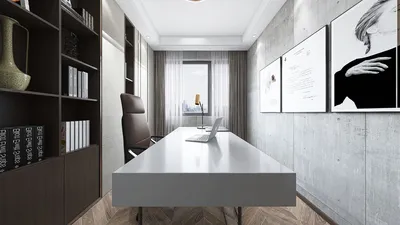


The future of living is unfolding in diverse ways, and vertical residences are leading this evolution. As we continue to elevate our lifestyles, it is clear that as land becomes limited and our attention spans shrink, creating distinct spaces for various routines is essential. According to the AIA, there is a steady demand for adaptable, multi-functional rooms, and Zillow highlights that since 2020, homebuyers are increasingly focused on dedicated workspaces. In response to this, I am developing townhouse floor plans as interactive living environments that provide bandwidth, privacy, and ritual spaces without interference. Together with my clients, we approach floor design like layers in an operating system—each designated for specific functions, harmonizing seamlessly through light and stairway connections. My work is grounded in a straightforward spatial reasoning method that ensures the integrity of the design.
Garden-Level Studio Core
Design Concept: The ground level transforms into a flexible hub—functioning as a guest suite on weekends and a remote workspace during the weekdays—acknowledging the necessity for townhomes to incorporate income-generating opportunities while providing an area for relaxation.
Circulation: Entry → mudroom → wet bar/utility area → adaptable studio → small garden; this pathway minimizes distractions before life progresses upstairs.
Visual Connections: The low sightline towards the garden serves as a visual indicator; natural light draws attention outside, enhancing a compact design.
Storage Solutions: Dual wall cabinets and under-stair drawers provide efficient storage; easy access is prioritized upfront, while deeper archives are located towards the back.
Furniture Arrangement: The layout includes a queen wall bed (60x80 in), a 24-inch deep work wall, and a 36-inch circulation loop—designed to be efficient, adaptable, and interchangeable.
Conclusion: This layer comfortably accommodates guests, hobbies, and small ventures, ensuring financial viability and privacy without sacrificing space.
save pin
Social Mid-Level: Kitchen–Living Hub
Design Concept: The middle floor becomes a communal area for cooking, dining, and light work. Data from NAHB shows kitchens as central to decision-making; I envision it as a command center infused with hospitality.
Circulation: Central staircase → galley plus island → dining area edge → lounge bay; a circular flow allows tasks to be performed simultaneously without interruptions.
Visual Connections: The island is oriented towards the windows, providing an expansive view of light; sight lines stretch from the cooktop to street trees and the sky, creating a calming context.
Storage Solutions: Deep pantry pullouts, ceiling-high upper cabinets, and a bench base with storage bins; quick access for preparation, and a colder archive against the far wall.
Furniture Arrangement: A 10–11 ft island provides a 36-inch clearance on the task side and 42 inches on the social side; a 38-inch deep sofa ensures walkway bandwidth.
Conclusion: This floor functions as a shared processor—multiple users engage with minimal interruptions, fostering routines that contribute to everyday resilience.
save pin
Top-Floor Quiet Retreat
Design Concept: Bedrooms and bathrooms are located on the upper level, with intentional distance—rest should be just steps away from the outside world's distractions.
Circulation: Stair landing → linen storage → primary suite at the front → secondary room at the back → terrace or clerestory bath; designed for a serene, linear movement.
Visual Connections: The bed faces the sky or treetops; doors are positioned to shield the beds from the hallway like nested menus, thereby enhancing privacy.
Storage Solutions: Two-tiered closets (18 in for quick access, 24 in for storage), under-window drawers, and a vertical laundry arrangement create a tiered storage system that minimizes decision fatigue.
Furniture Arrangement: The primary room: 12x13 ft supports a king bed, two 30-inch nightstands, and a 36-inch passage; secondary room: 10x11 ft accommodates a full bed and a desk nook.
Conclusion: This upper tier serves as a sleep-first operating system: fewer distractions, enhanced uptime; five years down the line, it retains a modern appeal, fostering restorative environments.
save pin
Final Reflection
The townhouse floor plan functions as a vertical operating system: studio activities at the ground level, social cohesion in the middle, and recovery environments at the top. With variations like two-bedroom layouts and narrow lots, this design adapts to the demands of work schedules and the nuances of attention economics without necessitating additional square footage. The enduring value of thoughtful design lies in its resilience—streamlined flows, precise storage solutions, and furniture positioned as a cohesive system. My belief is that the homes of the future won't necessarily be larger but more purposefully designed, embodying the essence of environments like Homestyler that prioritize intentionality and functionality.

Modern Boucle Upholstered King Size Bed 3D Model

Minimalist Velvet Shell Upholstered Platform Bed with Gold Metal Legs 3D Model
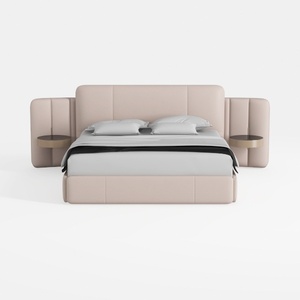
Minimalist Blush Fabric Upholstered King Bed with Attached Side Tables 3D Model
Homestyler is an outstanding online home design platform that empowers you to create your dream space effortlessly. Enjoy a user-friendly design tool, stunning 3D renderings, inspiring design projects, and practical DIY video tutorials—all at your fingertips. Transform your home with ease and creativity!
Design Now for FREE
































