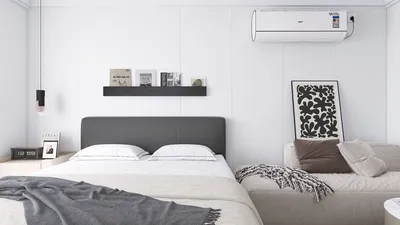


As we look toward the future, today’s housing landscape is undergoing significant changes, influenced largely by downsizing and the rise of remote work. The strain on the market is evident, with the NAHB reporting a downward trend in the median sizes of single-family homes as affordability becomes increasingly challenging. In response to these pressures, having a spatial reasoning toolkit is essential for modern living. The design of a two-bedroom mobile home floor plan can effectively embody a forward-thinking lifestyle that harmonizes mobility, modularity, and clarity of purpose, making tools like Homestyler invaluable.
Split-Core Spine with Opposed Bedrooms
Design Concept: Position the living area and kitchen as a central hub, with bedrooms placed at opposite ends. This layout can accommodate future shifts including multi-generational living, hybrid working arrangements, and varying guest scenarios, while avoiding any conflicts of space.
Layout: From the entryway, you flow into a mudroom or utility space, then to a kitchen island which serves as a hub, leading into the living area and two sleeping quarters; this circulatory design promotes seamless movement without dead ends.
Visual Flow: As you enter, there’s a clear line of sight towards natural light from the living window; the bedrooms are semi-obscured by a partial wall, similar to how tiered UI panels reveal information step by step.
Storage Solutions: Features include a full-height pantry, drawers beneath the bed, and transom cabinets above the doors; these organized spaces help minimize clutter and maintain a calm environment.
Furniture Arrangement: Space allows for a sofa between 84–96 inches, a 30x60 inch island, and a queen bed with 30 inches of clearance on each side—these components prevent disruptions in daily activities.
Conclusion: This design not only ensures privacy but also adaptability; it promises to remain effective as households shift from quiet workweeks to busy visitor seasons.
save pin
Side-Entry Flex Rail with Sliding Partitions
Design Concept: A side entry positioned in the middle of the home enables a flexible design where dining areas can transform into a studio; future technologies can integrate smoothly without disrupting the layout.
Layout: From the side entrance, you navigate through a drop zone followed by a linear kitchen, a pocket-door area, and then to the bedrooms; it operates like a command line that processes each step efficiently.
Visual Flow: Diagonal views beyond a semi-opaque sliding door retain depth while maintaining privacy; this visual strategy acts like a breadcrumb trail, guiding rather than overwhelming.
Storage Solutions: Features include rail-mounted upper cabinets, drawers beneath cabinetry, and a compact tech closet; despite their small footprint, these elements ensure quick and easy access to essentials.
Furniture Arrangement: The banquette is 24 inches deep, with a 42-inch table and a 48-inch wall-mounted desk; every inch is utilized functionally, eliminating inefficiencies.
Conclusion: The sliding partitions allow one bedroom to double as a studio; this setup is ideal for freelancers and caregivers who regularly transition between roles.
save pin
End-Cap Suite + Mid-Bunk Hybrid
Design Concept: The primary suite is positioned at the sunlit end, while a mid-bunk area adapts between a children's room and a gear storage space; perfect for future travels and hobbies, this design meets diverse needs.
Layout: Moving from the front porch to a living nook leads to the bunk core and then to the suite; this arrangement effectively balances activity and downtime.
Visual Flow: The design features layered viewing from low window seats to high clerestories, shifting focus from immediate tasks to broader natural vistas.
Storage Solutions: Lift-up bunk platforms, ceiling nets, and shallow linen storage keep the floor area clear for easy movement.
Furniture Arrangement: The space accommodates a bed of 60x80 inches with 30 inches of walking space, stackable stools, and an 18-inch deep media shelf; these thoughtfully arranged constraints encourage intentional use.
Conclusion: This hybrid design supports families through various growth phases and storage challenges; in five years, it will be seen as resilient rather than cramped.
save pin
Final Takeaway
The layout of a two-bedroom mobile home is more than just a structural blueprint; it functions as a sophisticated system that optimizes privacy, natural light, and work efficiency. Design variations like the split-core spine, flex rails, and mid-bunk hybrids showcase how compact living doesn't have to mean compromising on comfort or functionality. In my experience, the most innovative small homes operate like seamless interfaces: simple, clear, and ready for adaptation—tools like Homestyler can assist in visualizing these essential tweaks that can transform daily life.
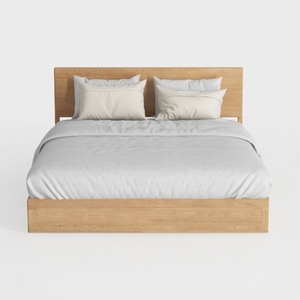
Minimalist Solid Oak Wood Platform Bed 3D Model

Bedsure Duvet Cover Queen Size - Reversible

Minimalist Solid Wood Platform Bed 3D Model
Discover Homestyler, the ultimate home design platform tailored for everyone, from novices to seasoned designers! With an easy-to-use online design tool, stunning 3D renderings, inspiring design projects, and helpful DIY video tutorials, transforming your home has never been more enjoyable and achievable!
今すぐ无料でデザイン
































