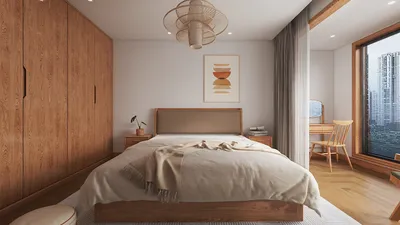


The future quietly integrates various aspects of our lives: climate, care, and work are now part of our home experience, while issues of privacy and storage present ongoing challenges. Research from NAHB indicates that over the past decade, the size of smaller single-family homes has decreased, but the demand for versatile multi-use spaces continues to rise; this necessitates innovation in two-bedroom bungalow floor plans. The design interface is crucial, and I approach it as if each home is an early prototype for future living—constantly evolving. Tools for spatial reasoning play a vital role in this development.
Communities, nature, and personal networks are transforming family dynamics; I perceive a bungalow as an efficient system that must facilitate light, movement, and tranquility, similar to signals being shared across a compact network.
Split-Core Gallery with Offset Bedrooms
Design Principle: A central gallery spine enhances circulation; bedrooms are strategically offset to accommodate future needs for hybrid work and caregiving.
Flow: Entry → gallery → living/kitchen area → connections to primary suite and guest/office; the design avoids dead-end loops, ensuring smooth returns.
Sightlines: A diagonal perspective from the entry to the garden terminus; layered thresholds maintain the privacy of intimate spaces while allowing light in.
Storage: A full-height gallery wall serves as a functional cache: 18-inch deep modular units, concealed laundry, and seasonal bins organized on a labeled grid.
Furniture Fit: API-tight dimensions include an 84-inch sofa, 36-inch circulation spaces, and a drop-leaf dining table that adjusts between 2–6 seats without obstruction.
Conclusion: This design spine functions as a system bus—clear, durable, and prepared for five years of versatile living without visual clutter.
save pinOpen in 3D Planner Processing...
Courtyard Loop with Micro-Flex Suite
Design Principle: The micro courtyard acts as a source of natural light; the second bedroom is designed as a flexible suite with adaptable boundaries for guests or telehealth services.
Flow: Circular path: porch → living → courtyard edge → kitchen → flex suite → back hall—maintaining a continuity of movement.
Sightlines: Key views focus on the sky and foliage; cross-views eliminate direct lines from bedrooms, preserving privacy and enhancing usability.
Storage: Under-bench and perimeter toe-kick drawers offer additional space; a hall niche serves as easy access for tools, strollers, and mail.
Furniture Fit: A courtyard-facing banquette at 20-inch seat height; a queen Murphy bed with 30 inches of clearance on each side accommodating accessibility requirements.
Conclusion: This gentle loop supports transformation—childhood, guests, remote care—while upholding a sense of tranquility and daylight.
save pinOpen in 3D Planner Processing...
Front-Back Gradient with Work Nook
Design Principle: The gradient transitioning from public space to private—from street to garden—creates a clear interface; the work nook is integrated in this transitional area.
Flow: Foyer → living → nook → kitchen → bedrooms → bath; this sequence is structured like a well-annotated script for everyday activities.
Sightlines: Layered insights: shallow cut to nook, deeper cut to yard; direct visibility from sofa to bedroom is avoided, reducing cognitive strain.
Storage: Strategically placed caches include 24-inch pantry pull-outs, a linen tower positioned between bedrooms, and overhead bins organized seasonally.
Furniture Fit: A 42-inch round table, 36-inch pathways, and a modular media wall at 60 inches; precise tolerances cater to daily routines and ergonomic needs.
Conclusion: This gradient orchestrates distinct time zones within a tight layout—work, relaxation, social gatherings—each with its flare of usability and minimal disruption.
save pinOpen in 3D Planner Processing...
## Final Thoughts
Two-bedroom bungalow floor plans resemble compact operating systems for the near-future home, expertly balancing the need for privacy and multifunctional spaces. With adaptations such as split spines, loops, and gradients, these designs create clear and resilient interfaces suitable for hybrid work and caregiving. From my experience, the homes of the future won't necessarily be larger but more thoughtfully designed, and I approach every project with the mindset of using Homestyler as a collaborative tool to continually refine what home means in our lives.

TREATLIFE HOME Solid Wood Computer Desk with Drawe
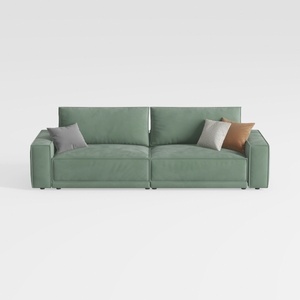
Minimalist Sage Green Fabric Sofa with Decorative Throw Pillows 3D Model


Minimalist Solid Walnut Wood Dining Table 3D Model
Homestyler is your go-to online home design platform! With its user-friendly design tool and stunning 3D rendering features, you can easily create and visualize your dream spaces. Enjoy a wealth of design projects and engaging video tutorials that inspire and guide you every step of the way.
立即免费设计
































