

The future of retail settings is evolving into concise vertical structures, necessitating flexibility in current leasing agreements. It's becoming increasingly clear how a four-storey framework can function as an integrated system for commerce. Data from AIA consistently emphasizes that the need for adaptable programming is now a primary motivator for renovations. The tools we utilize for spatial reasoning will determine whether a PDF layout of a four-storey commercial building is merely a design or a viable blueprint for the emerging economic landscape.
Ground-Level: Retail Spine from Porch to Platform
Design Concept: The entryway serves as a welcoming gesture, transforming retail into a platform. The ground floor accommodates quick-turnaround tenants with pre-set utilities for easy exchanges. Future pop-up shops will require minimal friction, thus, using removable partitions to keep pace with changing product lines is essential.
Flow: Transitioning from threshold to a decompression space, then through a linear aisle toward the point-of-sale area and back-of-house loop; this sequence provides clear guidance for conversions and ensuring the safety of crowds.
Sightlines: From the entrance to a deep focal wall complemented by mid-height merchandising islands; glazing arrangements create an informative hierarchy starting from the street to a brand portal and finally to the checkout area.
Storage: A rear ‘cache lane’ features high-density shelving and micro-fulfillment lockers, enabling same-day pickups without interrupting sales processes.
Furniture Arrangement: Gondolas are set to a height of 42–48 inches, POS pods are comfortably ADA-compliant at 36 inches, and benches are designed as adjustable modules, transitioning from queue formats to event setups.
Conclusion: This floor plan remains adaptable to rapid changes in retail, and five years down the line, it will function like a version-controlled storefront, akin to the flexibility seen in tools like Homestyler.
save pin
Second Level: Co-Work Area with Hybrid Pods
Design Concept: Knowledge-intensive work acts like a cloud-based service; this level is divided into areas for focus, meetings, and social interaction, forming scalable clusters for dynamic teams and freelancers.
Flow: A journey from a vertical core to a reception area, progressing to hot-desking spaces and meeting pods while incorporating a quieter perimeter—a path that minimizes delay from entry to productive work.
Sightlines: Low partition designs enhance user interface clarity; navigation corridors are aligned with natural light, while acoustic pods create designated blind spots for privacy.
Storage: Lockers serve as distributed storage, while shared printing and IT spaces minimize redundancy and maintain organized edges.
Furniture Arrangement: Benches range from 1200 to 1400 mm in depth, with 600 mm personal work zones, and modular tables that connect to power rails as if they are extensions of an API.
Conclusion: As hybrid work schedules fluctuate, this level adapts—it supports dynamic workshops, sprints, and provides areas for focused work.
save pin
Third & Fourth Levels: Health Clinic and Creative Studio Arrangement
Design Concept: Both health and creative services prioritize trust and natural light; by stacking these services high, we maximize light collection while maintaining acoustical privacy.
Flow: The flow follows the core, leading to a sub-reception area, a waiting buffer, consultation suites, and sterile support or studio back rooms; this creates a perfectly streamlined process with no information loss.
Sightlines: Translucent panels provide soft views; hallways offer a calming experience, while doors orchestrate entry points—ensuring discretion is maintained.
Storage: Each room is equipped with secure medical or equipment storage to prevent delays; waste management processes are organized with the efficiency of clean code branches.
Furniture Arrangement: Examination tables set at heights between 28 and 32 inches, requiring a 5-foot turning radius, alongside adjustable task stations. Studios can accommodate 2.4 meters clear for set rigs and backdrops.
Conclusion: After five years, this structure will adapt between wellness and production functionalities without needing a complete overhaul—merely updating specific modules.
save pin
Final Thoughts
The layout of a four-storey commercial building is much more than a mere static blueprint; it acts as a dynamic interface facilitating mixed-use tenants to implement future strategies without demolishing existing infrastructure. From retail pathways to clinic arrangements, each design line functions as a guideline for flow, storage, and visibility. In my perspective, the most innovative buildings won’t necessarily be the largest—they will be designed more purposefully, much like how I utilize Homestyler to create efficient spaces that evolve effectively over time.

Rustic Solid Wood Freestanding Bookcase Cabinet With Drawers 3D Model
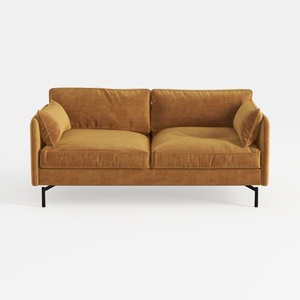
Modern Velvet Upholstered 2 Seater Sofa With Black Metal Legs 3D Model


Buffet Cabinet 55" Large Storage Coffee Bar with
Homestyler is your go-to home design platform! With its user-friendly online design tool, stunning 3D renderings, and a rich collection of DIY video tutorials, you can easily transform your interior spaces into beautiful creations. Discover your design potential today!
Design Now for FREE
































