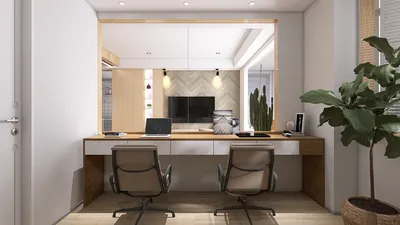


As we look towards the future, the way we coexist is evolving, especially as current homes struggle to accommodate the needs of multigenerational living. The NAHB reports that multigenerational households have more than doubled since 1980, revealing challenges related to privacy, storage, and shared mealtimes. I envision a 2-bedroom house plan for extended families as a precursor to tomorrow's shared living spaces—resolving issues before they magnify. In this context, I utilize a spatial reasoning toolkit, like Homestyler, to effectively align household behaviors with room functions, similar to coding modules.
Courtyard Spine + Dual Thresholds
Design Concept: This layout features two bedrooms that flank a central living-dining spine with a foldable partition. This design promotes a balance between daytime openness and nighttime privacy, catering to varying schedules and the rest needs of older family members.
Flow: The pathway through the home moves from the entry to a mudroom, leading to a kitchen node, a dining hub, through the living spine to the bedrooms, with a guest washroom positioned mid-spine to minimize traffic disturbances in sleep areas.
Sightlines: The kitchen's pass-through design highlights the dining area first, followed by the living space, while bedrooms are strategically placed off the direct line of sight, like secondary windows in an interface.
Storage: The design includes a full-height pantry wall, entry bench storage, and linen stacks between baths. This organization places storage close to points of use, effectively reducing search times.
Furniture Arrangement: The plan accommodates an 8–10 seat extendable dining table with a depth of 900 mm, accompanied by a 2.4 m sofa and nesting ottomans, as well as sliding door wardrobes that preserve space.
Conclusion: This spine-as-bus architecture can seamlessly evolve from intimate tea gatherings to larger celebrations over the next five years without any loss of comfort or function.
save pin
Split-Generations Suite + Flex Alcove
Design Concept: The primary bedroom benefits from an antechamber equipped with sliding panels—during the day, it serves as a reading or prayer bay, and at night it converts into a space for a crib or caregiver cot, adapting to evolving care dynamics.
Flow: The path from entry leads through the living area to the flex alcove, which opens to the primary suite. The secondary room near the entry serves dual purposes as a study or guest area, minimizing noise for the elders' sleeping area.
Sightlines: The design allows for diagonal views from the living room to the balcony while maintaining a semi-opaque alcove, ensuring that tranquil elements are in view and more active spaces are positioned peripherally.
Storage: A raised platform with drawers enhances the alcove's functionality, along with headboard niche rails and cabinets positioned over doors; this setup prioritizes seldom-used cold storage at a high level and more frequently accessed hot storage within easy reach.
Furniture Arrangement: The layout supports a queen bed with 600 mm of side clearance, alongside two task desks sized at 1200×600 mm, and a fold-down daybed in the alcove to keep pathways clear.
Conclusion: These micro-rooms act as interchangeable components, allowing family responsibilities to shift dynamically as needs arise without requiring an entire redesign.
save pin
Kitchen as Command Node + Shared Utility Loop
Design Concept: The galley kitchen connects with a utility balcony and integrated laundry space, creating a streamlined loop for meal preparation, washing, and drying—this design is ideal for bulk cooking and remote work lunches in the future.
Flow: The movement begins at the entry drop-zone, progressing to the fridge at the threshold, followed by the cooking line, sink, and utility, with dining arranged perpendicular to manage peak traffic efficiently.
Sightlines: A translucent door to the utility area introduces depth without clutter; the cook can maintain visibility of the dining and part of the living area, thereby preserving social interaction.
Storage: Vertical grain storage towers, toe-kick drawers, ceiling-mounted drying rails, and magnetic knife walls utilize every inch of space effectively, enhancing memory and accessibility.
Furniture Arrangement: The kitchen features 600 mm modules with a worktop height of 900 mm and a 1100 mm circulation area; stackable chairs provide flexibility without sacrificing space.
Conclusion: This command node condenses household chores into efficient operational sequences, thereby freeing up cognitive bandwidth for quality family time.
save pin
Final Thoughts
A well-planned 2-bedroom layout for a joint family focuses not just on fitting more people into a space, but rather on creating a harmonious system where privacy and togetherness coexist seamlessly. As multigenerational living continues to rise, a versatile two-bedroom design can function as a resilient multi-node system with adaptable alcoves and strategically placed storage options. From my perspective, the most efficient 2-bedroom configurations operate like software—small modifications lead to significant life improvements, showcasing longevity and functionality over the next several years with tools like Homestyler available for assistance.


Minimalist Solid Wood Home Office Desk With Storage Cabinet 3D Model

Minimalist Solid Wood White Fabric Tufted Sofa 3D Model
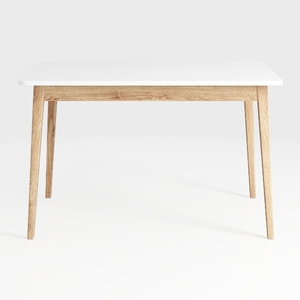
Minimalist Oak White Top Dining Table 3D Model
Discover the ease of home design with Homestyler! This online platform offers a user-friendly design tool, stunning 3D renderings, and a wealth of inspiring design projects and video tutorials. Bring your vision to life effortlessly, no experience needed!
今すぐ无料でデザイン
































