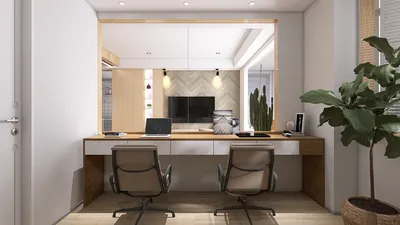


The evolution of our living spaces is increasingly focusing on streamlining time, roles, and rituals, creating more cohesive sequences, while our current homes often disperse these across various rooms and routines. Recent data from the AIA highlights a rising demand for flexible areas that can seamlessly adjust to both work and wellness needs. This is interpreted as a strong directive to reorganize the traditional four-story house design into a more integrated living interface. In this context, walls serve as more than mere boundaries; they function as protocols, and different levels symbolize a structured timeline for our daily activities, illustrated here with tools that enhance spatial reasoning, anticipating future living patterns.
Garden-Level Workshop + Guest Suite
Design Framework: The foundational level is designed to absorb noise and accommodate visitors, ensuring the space is adaptable for multigenerational lifestyles and small business studios as remote work evolves.
Traffic Flow: Starting from the entrance → mudroom → workshop area → guest suite; this design maintains a clear path to minimize disruption, effectively keeping outside dirt and late arrivals from affecting the household dynamics.
Sightlines: Low, strategically framed views of the garden act as a simplified user interface, providing context without overwhelming distractions.
Storage Solutions: Includes wall-mounted rails, cabinets under stairs, and a separate gear closet that create a high-capacity storage system for quick access.
Furniture Arrangement: Features a foldable bench, a 60-inch adaptable desk, and a wall bed sized at 60×80, all designed to maintain smooth movement throughout the space.
Conclusion: This level is crafted to manage transitions, easily shifting between hospitality, crafting, and side endeavors over time without requiring major renovations.
save pin
Main Living Floor: Great Room + Kitchen
Design Framework: This level orchestrates activities as the central hub—cooking, socializing, and light work coexist in one flowing space for a hybrid lifestyle.
Traffic Flow: Features a core staircase → galley-style kitchen → dining area → lounge; tasks progress seamlessly across the layout, resembling a comprehensible code structure.
Sightlines: Cross-axial perspectives connect the kitchen to the terrace, ensuring key aspects like people, daylight, and weather are always highlighted.
Storage Solutions: Tall pantry pull-outs, toe-kick drawers, and a concealed area for appliances ensure all necessities remain easily accessible.
Furniture Arrangement: The setup includes a 96-inch dining table, with ample space around an island and a modular sofa at 108 inches, all fitting harmoniously into the design without clutter.
Conclusion: This living area thrives on connectivity; as technology gets integrated into custom cabinetry, the room enhances its functionality without major alterations to its layout.
save pin
Quiet Floor + Roof Deck: Bedrooms / Retreat / Sky
Design Framework: The areas for sleep and concentration are elevated above the usual disturbances, with the roof deck serving as a release valve for both thermal and mental relaxation.
Traffic Flow: Ascending from the staircase landing → primary suite → shared bathroom → additional rooms → rooftop terrace; daily routines build upwards towards tranquility.
Sightlines: Extended hallway views culminate at the sky, transforming stress into expansive horizons and enhancing the prioritization of rest.
Storage Solutions: Includes built-in wardrobes at a depth of 24 inches, linen towers, and waterproof bins on the roof deck for off-season storage.
Furniture Arrangement: A king bed is centered within 30-inch side clearances, with desk spaces at 54-inch width, and outdoor furniture designed for ease of movement along 42-inch pathways.
Conclusion: Over the next five years, this space can easily adapt from a nursery to a studio, and later to a care suite, with the roof always serving as a renewal point for the home.
save pin
Final Insight
The design of a four-story layout is not merely about verticality; it serves as a carefully structured interface that manages work, hospitality, and recovery seamlessly. This four-floor house plan, along with its variations like multi-level home designs and stacked townhomes, allows life to function like modular code while maintaining an elegant structure. From my perspective, the most advanced homes of the future will not be about size but rather about intention, utilizing tools such as Homestyler to craft these intentional living spaces efficiently.


Homestyler is your go-to online home design platform! With its easy-to-use design tool, stunning 3D renderings, and a wealth of design projects and DIY video tutorials, you can effortlessly create and visualize your dream spaces—perfect for beginners and seasoned decorators alike!
지금 무료로 디자인하세요
































