


As we look towards the future, contemporary homes still seem trapped in outdated analog habits, often comprising numerous rooms that lack purposeful design. Recent AIA studies indicate that homeowners now prefer adaptable spaces rather than unnecessary formal layouts, but traditional configurations remain stubbornly in place. When I examine the floor plans of mansions, it feels akin to decoding an early interface for a post-screen lifestyle—each area serves as nodes with bandwidth and buffers reflecting our daily interactions. Tools for spatial reasoning remain essential as I navigate the connection between habitual practices and versatility, often utilizing platforms like Homestyler for conceptualizing these spaces.
Perimeter Gallery Spine Mansion
Design Logic: A continuous spine forms a connection between arrival areas, salons, kitchen halls, and garden spaces; the future of hosting transitions from one-off events to a series of casual micro-gatherings, making proximity more significant than opulence.
Flow: The sequence flows seamlessly from the Foyer to the Library Alcove, then to the impressive Great Room, continuing into the Culinary Atelier and Loggia; this design resembles a streamlined command line, promoting effortless transitions without retracing steps.
Sightlines: Diagonal layers allow art along the spine to be viewed first, followed by garden views, and culminating in hearth focal points—organized tiers enhancing peaceful mental processing.
Storage: Wall-depth galleries discreetly conceal climate-controlled drawers, butler’s passes, and AV storage, ensuring essential items are cached close to where they're needed to minimize delays.
Furniture Fit: Circulation rings of 42 to 48 inches surround islands measuring 9 to 10 feet; modular lounge pieces fit snugly into window bays, much like peripherals connect to a central hub.
Verdict: This mansion operates like a sophisticated corridor operating system—reliable at present and increasingly adaptable as socializing evolves to become continuous and multifaceted.
save pin
Courtyard Cluster with Quiet Cores
Design Logic: Multiple courtyards create noise barriers; spaces designated for wellness and work require acoustic protection, ensuring that the design prioritizes privacy while maintaining access to air and light.
Flow: The owner’s suite is intentionally isolated from the children and guest wing, while service pathways run parallel, creating two distinct lines of flow without conflict.
Sightlines: Short, curated views focus on lush green courts; each opening acts as a notification badge rather than a constant feed—allowing for concentrated attention.
Storage: Linen hubs and closet stacks are strategically positioned at junctions; seasonal surplus can be kept in insulated perimeter vaults, utilizing frequency-based predictive storage.
Furniture Fit: Meditation pads on tatami scales, 60-inch desk bays, and low credenzas that float freely to maintain an open ground plane enhance the spatial experience.
Verdict: The house breathes in intervals: retreating, reemerging, and repeating—future functionalities toggle between intense focus and relaxed gatherings.
save pin
Hybrid Atelier Wing for Work-Live Protocols
Design Logic: An adaptable wing transforms from creative studio to an intimate venue; nowadays, mansions must either monetize or repurpose their spaces as the lines between roles become blurred.
Flow: From street entry to a secure vestibule leading to the atelier hall and terrace; guests maintain distance from private areas to ensure comfort and security.
Sightlines: North-facing light creates a neutral interface; sliding panels adjust exposure akin to controlling brightness in a digital setting.
Storage: Tool walls and sample shelves act as vertical storage; a mobile archive island facilitates the staging of ongoing projects.
Furniture Fit: Project tables measuring 30x60 inches on casters, acoustic sofas with low backs, and foldable risers to accommodate events cater to multifunctionality.
Verdict: This wing is designed to future-proof both financial potential and functionality—an accommodating module that integrates new work habits without overhauling the entire blueprint.
save pin
Final Takeaway
The concept of mansion floor plans has evolved from mere status symbols to vibrant operating systems that coordinate light, sound, and social interactions over time. In expansive residences, the most efficient designs are those that guide attention, optimize storage, and facilitate movement like beautifully structured code. Luxury home layouts and estate planning improve when we perceive rooms as APIs and outdoor areas as tools for reducing latency. Based on my experience, the most enduring mansions function similarly to software—focusing on fewer features, preferable defaults, and a stable nucleus that I can continuously adjust, often leveraging tools like Homestyler to visualize these complex interactions.

Minimalist Walnut Round Dining Table 3D Model

Mid Century Solid Wood Fabric Dining Chair 3D Model
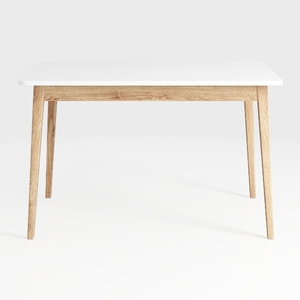
Minimalist Oak White Top Dining Table 3D Model
Discover the creativity of home design with Homestyler! This user-friendly platform offers an intuitive online design tool, stunning 3D renderings, and an extensive library of design projects and DIY video tutorials. Transform your ideas into reality effortlessly and inspire your next home project.
Design Now for FREE
































