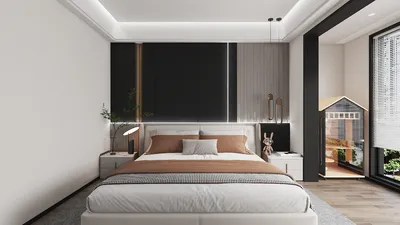


The homes we are designing for the future aim to address the challenges of today's living environment: hybrid work settings, divided attention, and the ongoing balance between privacy and presence. Zillow reports a notable increase in demand for work-from-home features in apartment listings, suggesting that floor plans are now essential in determining functionality. I perceive 1-bedroom apartment layouts as preliminary frameworks that align with emerging lifestyle needs, and the future is rapidly approaching.
spatial reasoning toolkit
Threshold Studio Loop
Design Logic: The entryway is designed to be compact while the living area expands; a small buffer zone minimizes noise and can function as an adaptable workspace. Future living habits will require a gentle boundary between external stimuli and internal concentration.
Flow: Entrance → closet for jackets → sliding divider → central living area → balcony; this loop facilitates an effortless transition between work and relaxation.
Sightlines: From the entrance, a diagonal view leads to the window for maximum light intake; the kitchen is positioned to be less prominent in sight, ensuring screens do not face the sleep area.
Storage: Features like a 24-inch deep entry closet, ceiling-mounted bins along the hallway, and a hidden area for a printer and supplies serve storage needs efficiently—similar to how RAM functions closely to the CPU.
Furniture Fit: An 84-inch sofa paired with 30-inch tables and a 48x24 sit-stand desk that aligns with a track system reflects a commitment to user movement.
Verdict: This design adapts well to the daily cycles of day and night; in five years, it will still manage context-switching with ease.
save pin
Split Axis Quiet-Core
Design Logic: The bedroom functions as a central quiet space, acoustically insulated, with service areas surrounding it. The sleep area of tomorrow is treated as a valuable dataset rather than an afterthought.
Flow: Kitchen → dining area → living space; access to the bedroom is through a hallway designed to minimize noise interference.
Sightlines: The living area provides a long line of sight towards windows, while the bedroom's view is short and calming, resembling a streamlined user interface without distractions.
Storage: A two-tier wardrobe system (hanging space and deep drawers), drawers beneath the bed, and linen storage adjacent to the bathroom ensure quick access and organization.
Furniture Fit: A queen-size bed with 24 inches of clearance on each side and a 36-inch dining console that also serves work purposes helps to maintain a low latency environment.
Verdict: For those working remotely and sensitive to light, the environment remains uncluttered and organized; future technological integrations can be layered efficiently without overwhelming the core.
save pin
Gallery Kitchen + Flex Bay
Design Logic: A gallery-style kitchen acts as a central operating hub; adjacent flex space can seamlessly switch roles to accommodate dining, crafting, or virtual reality activities. Here, adaptability serves as the operating system.
Flow: Entryway → kitchen preparation area → flexible space → living terrace; daily activities unfold in a series of linear steps, leaving no room for confusion.
Sightlines: A long, narrow opening from the cooking spot to the window opens up the space; the flexible area exists within the periphery for quick role changes.
Storage: A 9-foot pantry wall fitted with pull-out shelves, overhead mesh storage for lightweight gear, and a magnetic rail for tools create an organized environment resembling version control.
Furniture Fit: A 60-inch drop-leaf table, stackable seating, and a 72-inch media console allow components to fit together and apart with precision.
Verdict: This flexible design can adapt to fast-changing lifestyles; in five years, it will still accommodate evolving hobbies and interests.
save pin
Final Takeaway
Modern 1-bedroom apartment layouts transcend simple measurements; they have become frameworks for focus, rest, and collaboration. Similar to software updates, spaces like one-bedroom apartments and compact urban dwellings now evolve through thoughtful design features. As trends like remote work zones and privacy-oriented bedrooms emerge, the design interface becomes more refined than the actual space used. From my perspective, the most intelligent homes of tomorrow won't necessarily be larger, but rather more purposefully designed, much like the capabilities offered by tools like Homestyler.

Minimalist Linen Upholstered Platform Bed With Nailhead Trim 3D Model
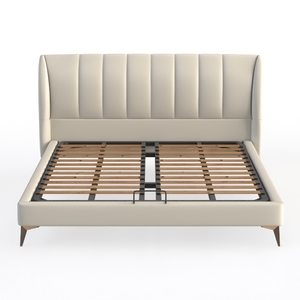
Modern Minimalist Leather Upholstered Platform Bed 3D Model
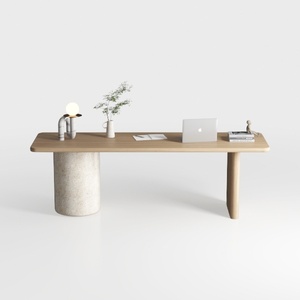
Minimalist Japandi Solid Wood Concrete Office Desk 3D Model
Looking to transform your home with ease? Homestyler offers a user-friendly online design tool, stunning 3D renderings, and a wealth of design projects and video tutorials. Whether you're a beginner or a pro, bring your dream home to life effortlessly!
Design jetzt kostenlos
































