


As we move towards a future of innovative living, today’s occupants are grappling with disjointed circulation paths, excessively bright work environments, and chaotic storage solutions. My design philosophy transforms buildings into dynamic systems, much like software. According to the NAHB, there has been a consistent increase in the demand for mixed-use spaces and adaptive work environments over the past five years, further proving the need for efficient and intelligent designs. When examining a three-story commercial building layout, my approach is clear: integrate traffic flows, create buffer storage solutions, and design sightlines as an overarching information architecture. The interface should feel as if it's meant to be—after all, the future has already entered the lobby, fully embracing tools like Homestyler for spatial reasoning.
Ground Level: Retail Spine + Civic Threshold
Design Logic: The retail space along the street creates a welcoming edge; I maintain an uncluttered central corridor where entries, queues, and micro-pop-ups can interact like modular components as urban pedestrian traffic flows change.
Flow: Entry → transition space → checkout area → fitting/consultation zones → collection lockers → exit; this circular path minimizes congestion and adapts to an increasing number of concurrent events.
Sightlines: From the entrance to the service area, sightlines step down in layers: a striking feature wall, product displays, and service access—user interface elements aimed at easing cognitive stress.
Storage: Under-counter drawers act as quick-access areas, while the back room serves as long-term storage, complemented by RFID-enabled shelving for tracking inventory efficiency.
Furniture Fit: Shelving units are at a height of 42 inches, with 5-foot wide aisles and customizable bases; all fixtures adhere to ADA standards as critical design constraints.
Verdict: This layout operates as an interactive public space—retail options that can easily transform into galleries or pop-ups within five years without the need for structural changes.
save pin
Second Level: Flexible Office + Collaboration Band
Design Logic: Modern hybrid work environments prefer gradients rather than rigid divisions; I position quiet work zones alongside communal collaboration spaces, enabling teams to grow without frequent layout upheavals.
Flow: Central elevator → welcome lounge → hot desking area → meeting rooms → creation/printing lab → wellness area; this flow respects the natural cycles of concentration.
Sightlines: Large windows allow ample daylight, while interior panels soften corners, providing layered levels of privacy.
Storage: Personal lockers located near the lounge (temporary storage), extensive filing systems by the core (archival), and overhead racks for material overflow.
Furniture Fit: Work surfaces at 30 inches, meeting tables at 60 inches, and sound-dampening booths at a depth of 42 inches; maintaining dimensional integrity ensures ergonomic standards across different tenants.
Verdict: The office space functions as a dynamic dashboard—shifting seamlessly from focused work to social interactions, aligning with the anticipated evolution of hybrid work in the next five years.
save pin
Third Level: Studio + Event Deck
Design Logic: This floor is designed with content-driven economies in mind: studio spaces, a small kitchen, and a terrace suitable for intimate gatherings; this layout can adapt from production setups to showcase venues.
Flow: Core → prep area → studio environment → editing suite → terrace; the flow supports the journey from conception to community engagement.
Sightlines: A controlled visual path from the camera to the backdrop, allowing an expansive view of the skyline; the design keeps attention on the featured content while subtly incorporating the city’s landscape.
Storage: Movable racks for equipment (instant access), crafted shelving for props (organized storage), and raised platforms for seasonal gear (long-term storage).
Furniture Fit: Lighting designed to accommodate a grid at heights of 10-12 feet, modular platforms at every 24-inch increment, and collapsible seating; each item respects the needs of production and ease of setup.
Verdict: A content-first venue capable of hosting various events, such as workshops or product launches; the next five years call for adaptable formats that evolve without major structural changes.
save pin
Final Takeaway
The design of a three-story commercial building plan transcends mere physical floors, focusing instead on programmable layers—traffic flows, storage solutions, and sightlines acting as the interface for the coexistence of work and retail. As the demand for mixed-use spaces grows, variations of this design—hybrid office sectors, retail corridors, and creative studios—will continuously adapt to emerging interactions while optimizing space efficiency. Through my experience, it's clear that the most intelligent buildings of the future won’t necessarily be larger, but rather more thoughtfully designed. I conceptualize them as sophisticated frameworks, similar to how Homestyler organizes people’s daily interactions.

Minimalist Solid Oak Wall Mounted Floating Shelf 3D Model
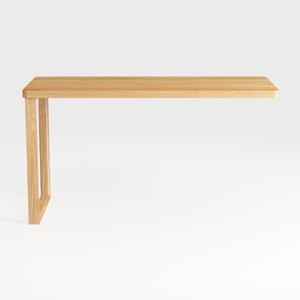
ZQQLVOO Writing Computer Desk,Home Office Desk,Hom

Minimalist Solid Oak Floating Shelf 3D Model
Looking to transform your home? Homestyler is your go-to online design platform! With its user-friendly design tool, stunning 3D renderings, and a wealth of creative projects and video tutorials, you can effortlessly visualize and create your dream space—ideal for both beginners and seasoned designers!
지금 무료로 디자인하세요
































