


The future is knocking at our doors while our present-day homes remain surrounded by clutter and fragmented activities; it's evident that clients are seeking more clarity and less chaos. Recent industry surveys indicate a notable shift in remodeling priorities towards adaptable living spaces and enhanced flow (according to Houzz & NAHB trend snapshots), which influences my approach to the Joan Rivers apartment floor plan. This layout serves as a blueprint for a lifestyle where elegance operates as a functional system—much like a spatial reasoning toolkit powered by Homestyler.
Parlor-to-Gallery Loop
Design Logic: A traditional front parlor gradually evolves into a gallery loop, transforming the entrance into a daily showcase—classic elements adjusted for modern social patterns.
Flow: Entry point → parlor center → gallery hallway → salon niche → dining hub; this looping design minimizes unnecessary backtracking and optimizes the flow of events.
Sightlines: Extended axial perspectives arrange art, windows, and door trimmings akin to UI layers, directing focus from the welcoming threshold to the central salon features.
Storage: Custom millwork walls serve as hidden storage—concealed panels for linens, glassware, and tech docks—ensuring a clean surface free from clutter during entertaining.
Furniture Fit: Compact settees, slipper chairs, and elegant consoles accommodate corridor pathways, leaving clear circulation spaces of 36–42 inches.
Verdict: This loop design anticipates a mix of hosting styles—combining traditional charm with modernity—effective for five years of intimate gatherings and streamed events.
save pin
Primary Suite as Quiet OS
Design Logic: The configuration of bedroom, dressing area, and bath creates a serene operating environment where routines are streamlined, and decision fatigue is minimized.
Flow: Sleep area → dressing corridor → vanity station → wet room; this branching allows for morning routines to flow without interruptions.
Sightlines: Layered thresholds provide a balance—soft valances and mirrored doors—where privacy functions much like permissions in a user interface.
Storage: Wardrobe units, shallow drawers, and decorative boxes act as organized storage, offering quick access and display options.
Furniture Fit: An adequate 78–80 inch bed, sleek nightstands, and a bench measuring 16–18 inches in depth promote easy movement and routine precision.
Verdict: The suite maintains its design while adapting to future innovations in wearables and wellness devices, creating a reliable center for comfort over five years.
save pin
Service Core with Performance Backstage
Design Logic: Kitchen, pantry, and service corridor merge into a performance backend—visible beauty with functional orchestration behind the scenes.
Flow: Delivery entry → pantry storage → prep station → plating area → dining zone; this linear approach enhances usability during peak hosting times.
Sightlines: Controlled openings—translucent doors and pass-throughs—maintain a pristine stage while suggesting an active culinary experience.
Storage: Deep pull-out pantry shelves, clearly labeled bins, and vertical trays function as storage memory; excess china is stored in archival cold spaces.
Furniture Fit: A narrow farm table is used for staging, along with counter stools featuring slim designs, allowing for clearances of 24–30 inches to facilitate movement seamlessly.
Verdict: The service core is designed to embrace enduring elegance, poised for the integration of smart appliances and timed lighting systems in the coming years.
save pin
Final Takeaway
The floor plan of the Joan Rivers apartment functions as a lifestyle interface—rituals consolidated, experiences enhanced, and privacy maintained. Its variations and lasting influences—historical salon blueprints, celebrity penthouse designs—illustrate how established geometries can accommodate the tools of tomorrow. From my observations, the most intelligent homes of the future won't necessarily be larger; they will be more intentional. In my work, I continuously see how small spatial choices reshape the living experience, often made easier with tools like Homestyler.

Minimalist Solid Wood Linen Fabric Extra Long Sofa 3D Model
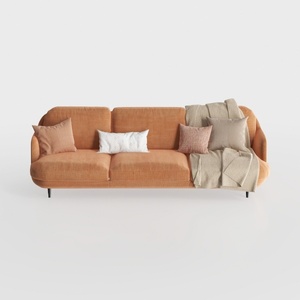

Modern Minimalist Orange Fabric Three Seater Sofa With Throw Pillows 3D Model

Haddockway Wooden Coat Rack Stand with 8 Hooks New
Homestyler is an outstanding online home design platform that simplifies your creative process. With an easy-to-use design tool, captivating 3D renderings, and a wealth of DIY video tutorials, you can effortlessly transform your design ideas into reality—perfect for both beginners and seasoned designers!
立即免费设计
































