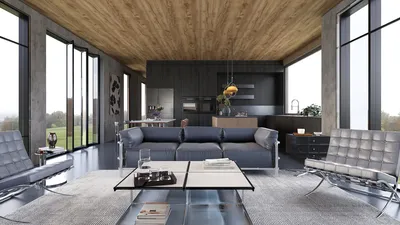


As we approach the future, ground-floor living increasingly becomes a focal point, seamlessly integrating indoor and outdoor elements to address current challenges like ventilation, privacy, and remote work fatigue. According to AIA residential surveys, natural light and versatile spaces remain at the forefront of preferences, which my clients experience daily. This perspective positions the courtyard house ground floor plan not just as a design but as a functional system—offering a glimpse into how we might live in the near future. The use of tools like Homestyler can further enhance this understanding.
Ring Perimeter with Central Court
Design Concept: The perimeter rooms create a thermal and privacy barrier; the courtyard becomes the source of natural light. In densely populated cities, this donut-like layout protects the edges while nourishing the core, which is essential for future resilience against noise and climate fluctuations.
Flow: From the entry to the mudroom, through the kitchen hub and living spaces, and into the courtyard—these pathways function like a well-established event loop, minimizing distractions and allowing for seamless task transitions.
Sightlines: The main axes intersect the courtyard, layering foreground activities over the backdrop of the sky, providing a user interface that alleviates cognitive load.
Storage Solutions: Continuous built-in elements along the perimeter act as a cache, conveniently placing frequently accessed items near key areas such as the kitchen and media zones.
Furniture Layout: Modular pathways ranging from 900 to 1050 mm and 600 mm deep benches create a space where furnishings can attach to walls, liberating the center area for more versatility.
Conclusion: This stable design allows for adaptability over five years—whether adding a studio, hosting gatherings, or creating a retreat—without needing a complete overhaul of the fundamental structure.
save pin
Split Bar with Courtyard Spine
Design Concept: Two flanking bars (public and private) surround a linear garden, with the spine functioning as a biosensor for light and air—future living spaces will increasingly favor adjustable gradients rather than rigid divisions.
Flow: The layout starts at the street, flowing through the foyer into the public bar (for cooking, eating, and working), then syncs with the spine leading to the private bar (for resting and sleeping)—effectively serving as a duplex data bus that facilitates interaction between zones without conflicts.
Sightlines: Angled frames along the spine create a sense of depth; glazing acts as a heads-up display (HUD), providing real-time information on time and weather as ambient indicators.
Storage Solutions: Opposing walls transform into dual repositories; tall pantry and linen units maintain efficiency by reducing waiting times between adjacent tasks.
Furniture Layout: Long tables (2400 mm) align with the spine, while low seating preserves unbroken horizon lines, enhancing visual flow.
Conclusion: This design adapts effortlessly from chaotic toddler activities to peaceful focus; the spine evolves like firmware updates, avoiding the need for extensive renovations.
save pin
Courtyard Pocket with Corner Anchor
Design Concept: A corner courtyard displaces mass, drawing light in diagonally—ideal for compact lots and additional dwelling units (ADUs). Future households are expected to be multifaceted.
Flow: The journey begins at the corner entry, continuing along a diagonal path to the living area and court terrace—this setup feels swift yet orderly, akin to utilizing keyboard shortcuts for efficient movement.
Sightlines: Diagonal elements expand visual depth; corner glazing creates an illusion of spaciousness, providing a zoomed view without distortion.
Storage Solutions: Vaults beneath stairs, benches by windows, and concealed utility walls distribute storage effectively, minimizing clutter during peak usage.
Furniture Layout: Compact sofas (2.1–2.4 m), round tables (800 mm), and wall-mounted desks fit within narrow spaces while delivering functional efficiency.
Conclusion: The corner courtyard design is a strategic choice for evolving households, ensuring flexibility and grace within limited square footage—truly future-ready.
save pin
Final Thoughts
The courtyard house ground floor plan transcends nostalgic views; it stands as a dynamic interface where light, airflow, and privacy create everyday ease. Variants like the single-level courtyard and indoor–outdoor ground floor plans emphasize flexibility over sheer size. The most resilient homes will channel attention as meticulously as they do air and water, treating storage as cache and furniture as an interface. Based on my experiences, when the courtyard serves as the core component, everything else operates more effectively and sustainably with the aid of tools like Homestyler.

Minimalist Solid Wood Linen Fabric Three Seat Sofa 3D Model
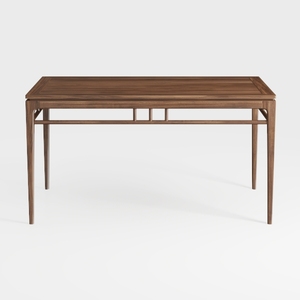
Minimalist Solid Walnut Wood Dining Table 3D Model
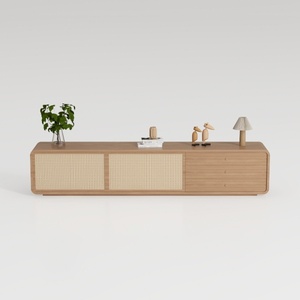
Minimalist Japandi Oak Rattan TV Cabinet 3D Model
Are you ready to transform your living space? Homestyler offers an intuitive online design tool, stunning 3D renderings, and a wealth of design projects and video tutorials. Whether you're a beginner or an experienced designer, bring your creative ideas to life with ease!
تصميم الآن مجانا
































