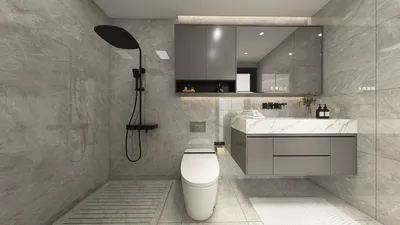


The future of living spaces is all about condensing time while enhancing adaptability. Current challenges such as noise, clutter, and disjointed routines hinder the coherence of larger homes. When I gaze at the spatial reasoning toolkit, I ponder how a spacious five-bedroom open-plan can embody both generosity and organization. According to the AIA, the demand for multi-generational features is on the rise, necessitating that five-bedroom layouts support shared bandwidth without any compromise in connectivity. The future is so palpable, and I am actively designing spaces that reflect this vision.
Courtyard Core + Split Wings
Design Logic: The central great room serves as a nucleus, while two bedroom wings are strategically separated for acoustic zoning, aligning with the rising trend of multigenerational living.
Flow: The transition from entry to drop zone, then to great room, kitchen island, courtyard, bedroom wings, and finally to the flexible studio showcases a smooth and intuitive sequence with minimal friction.
Sightlines: Visual connections extend from the island to the fireplace to the courtyard opening; the primary suite is positioned off-axis to ensure that public spaces have priority, while private views remain serene.
Storage: Perimeter cabinetry provides essential storage; dual pantries, linen nodes on each wing, and under-stair bulk storage create efficient retrieval pathways.
Furniture Fit: A 12-foot sofa spread, a 10-foot dining arrangement, and an island height of 42 inches; wing rooms are designed to accommodate queen beds and desks without interference.
Verdict: This design effectively supports high family connectivity while being adaptable for aging in place and hybrid work environments, all without sacrificing visual coherence.
save pin
Linear Spine + Pocketed Retreats
Design Logic: A long, open spine organizes communal interactions, making the five bedrooms function as pocketed retreats away from the central hub to minimize noise.
Flow: The journey from garage mudroom to hallway, then to the kitchen and living area, leads to the terrace where bedrooms branch off like subroutines, ensuring reduced noise interference.
Sightlines: An organized view from the entry to the garden, with framed thresholds that safeguard privacy while still maintaining openness.
Storage: Full-height wall systems and hidden utility compartments, along with distributed wardrobe spaces, keep the central spine clean and functional.
Furniture Fit: Modular seating arrangements, an expandable table for 8–10, and alcove workspaces; children's rooms are designed to fit twin-over-full beds without disrupting flow.
Verdict: For busy families, this spine acts like a reliable transport system: elegant, adaptable, and prepared for varying daily demands.
save pin
Great Room Ring + Micro Zones
Design Logic: The great room forms a circular configuration, incorporating micro zones such as a reading nook, a crafting table, and a coffee area, facilitating simultaneous activities within a single open space.
Flow: The circular path connects the kitchen to the lounge, play area, and terrace, with bedrooms situated at four corners along with an annex studio.
Sightlines: The design is hierarchical, directing views primarily toward the garden, then to the hearth, and finally to task areas, ensuring a serene flow of visual stimuli.
Storage: Benches integrated into the ring, toe-kick drawers, and vertical peg walls; the design of caches prioritizes ease of use over extensive storage.
Furniture Fit: A curved sectional sofa echoes the ring's shape; 36-42 inches of clearance prevents conflicts between dining and circulation.
Verdict: This layout is open yet thoughtfully structured, allowing various activities to coexist seamlessly—a true hallmark of family-friendly design for the future.
save pin
Final Takeaway
Five-bedroom open floor plans should function like operating systems, integrating community, privacy, and flexibility without delays. As the trends of multigenerational living and hybrid work continue to grow, the most effective designs transform openness into a clear and readable system with carefully planned storage and optimized sightlines. In my experience, the most enduring homes manage flow like software—streamlined, resilient, and user-friendly—with tools like Homestyler guiding the design process for the future.
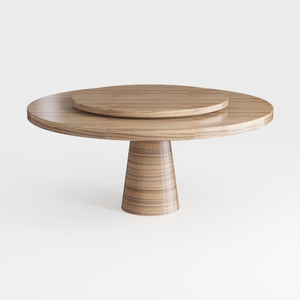
Minimalist Solid Wood Round Dining Table with Lazy Susan 3D Model

Modern Minimalist Fluted Solid Wood Round Dining Table with Brass Base 3D Model
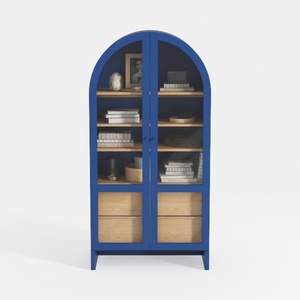
Arched Kitchen Pantry Cabinet with Glass Doors
Homestyler is your go-to online home design platform! With its user-friendly design tool, stunning 3D renderings, and a wealth of inspiring design projects and video tutorials, you can effortlessly create and visualize your dream spaces, whether you’re a novice or an experienced designer.
立即免费设计
































