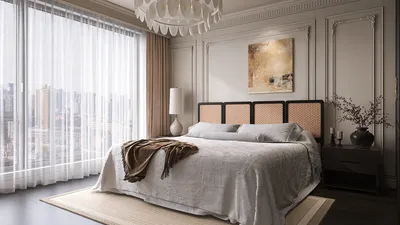


Emerging lifestyles are increasingly demanding adaptable privacy, innovative technology integrations, and structured communal spaces. Conversely, contemporary family homes are challenged by noise issues, clutter accumulation, and erratic daily schedules. As I contemplate the impending evolution of living spaces, a recent NAHB survey from 2024 highlights that buyers are prioritizing versatile rooms and improved storage solutions. This is precisely where a meticulously designed 4 bhk floor plan demonstrates its value. We can view our spatial reasoning toolkit as a silent ally, transforming rooms into functional behaviors and accommodating various needs.
Quadrant Grid: Two Wings + Social Core
Design Logic: The layout consists of private bedrooms divided into two sections, while a central living-dining area serves to consolidate daily routines and minimize noise. This configuration supports the growing trend of multi-generational households, providing customizable privacy solutions.
Flow: The pathway follows a sequence from the entryway to a drop zone, into the social core, leading to the left wing that houses the primary suite and the right wing intended for kids or guests, concluding at a balcony. This creates a streamlined journey with minimal disruption.
Sightlines: Diagonal perspectives from the dining area to the balcony enhance the user interface, with bedrooms strategically positioned behind misaligned doors to reduce visual disturbances.
Storage: Closets integrated into the perimeter walls serve as efficient storage spaces; a pantry hub located near the kitchen acts as a quick-access point for snacks, bulk goods, and devices.
Furniture Fit: Sofas should have a depth of 38–40 inches, while dining tables measure 84 inches by 40 inches. Bedrooms are designed for queen or king beds with a minimum clearance of 36 inches, accommodating future wellness technology standards.
Verdict: This grid design maintains open channels for social interactions while ensuring personal spaces remain private. In five years, it will continue to adapt to hybrid education and remote work environments.
save pin
Looped Corridor with Pocket Nodes
Design Logic: This design features a continuous corridor winding through the home, incorporating pocket study and meditation areas—microspaces that help to manage daily tasks and emotional wellbeing.
Flow: The route begins at the entryway and flows through the corridor to a study node, then to the kitchen, another reading node, and finally to the bedrooms; this creates a manageable journey without dead ends.
Sightlines: The staggered layout of the corridor offers gradual glimpses into shared spaces, reserving full views for specific thresholds to ease cognitive load.
Storage: Built-in benches adorned with drawers line the corridor; linen towers situated near bathrooms, along with a discreet charging station for devices, serve as organized storage elements.
Furniture Fit: Node desks should measure 48 inches by 24 inches, with the corridor width ranging from 48 to 54 inches, and modular shelving 12 inches deep; these precise dimensions help maintain smooth movement.
Verdict: This looping corridor acts like a resilient network, facilitating family movement seamlessly; it is designed to adapt well to changing schedules and emerging interests.
save pin
Split Kitchen: Hot Line + Cold Prep Lab
Design Logic: The kitchen is designed to separate hot cooking processes from food preparation areas. One side is dedicated to cooking while the cool prep lab handles everything from raw ingredients to snacks for children.
Flow: After groceries are placed in the cold prep lab, the sequence is wash, prepare, pass through to the cooking line, and finally serve in the dining area. This organized method minimizes the chance of cross-contamination.
Sightlines: Partial glazing allows supervision of dining and balcony areas without displaying messes; the user interface keeps status indicators visible while concealing clutter.
Storage: A vertical pantry measuring 24 inches deep along with an appliance garage serve as quick-access storage; overhead cabinets are suitable for storing less frequently used items, much like file folders for easy retrieval.
Furniture Fit: The kitchen island should ideally measure 96 inches by 42 inches with a 15-inch overhang; accommodating dual fridges or a column setup, maintaining 42 inches of aisle space for efficient movement.
Verdict: This split kitchen design evolves into a productivity powerhouse; in five years, it will align perfectly with wellness standards and energy-efficient cooking practices.
save pin
Final Takeaway
When it comes to a thoughtfully designed 4 bhk floor plan, it is not merely about counting the number of rooms but rather about integrating behaviors into an intuitive layout. Variations such as multi-generational configurations and adaptable bedrooms convert the home into a dynamic system rather than a static space. The most intelligent four-bedroom designs I work on prioritize efficiency in flow, strategic sightlines, and layered storage solutions. My experience shows that even small spatial choices can significantly influence how individuals interact and live within their homes, especially using tools like Homestyler to visualize their concepts effectively.
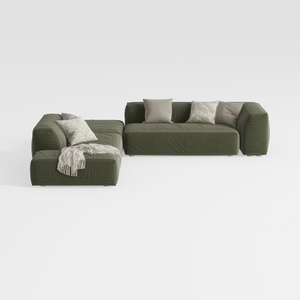
Minimalist Modern Fabric L Shaped Sectional Sofa with Throw Pillows 3D Model
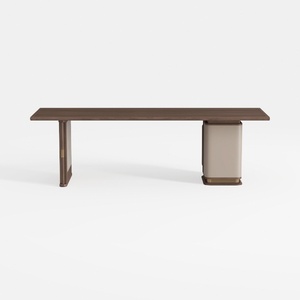

RJYYYDS Desk Game Table Home Office Desk Walnut De
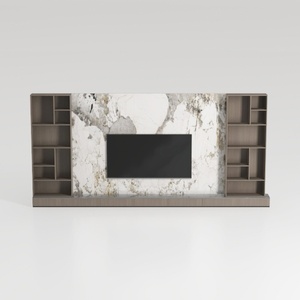
Rustic White Shoe Cabinet Storage with 2 Flip
Homestyler is your go-to online home design platform! With its user-friendly design tool, stunning 3D renderings, and a treasure trove of DIY video tutorials, anyone can create their dream space effortlessly. Transform your vision into reality today!
تصميم الآن مجانا
































