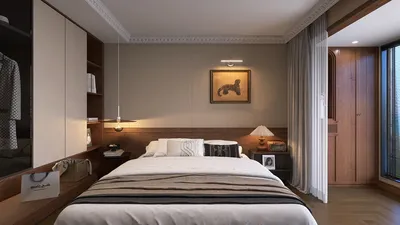


The upcoming lifestyle trends are becoming more pressing as existing homes continue to struggle with storage issues and inefficient layouts. I interpret the 6.3 floor plan as an upgrade for domestic comfort and clarity. The trends in the industry are clear; the NAHB has indicated that buyers prioritize efficient designs and adequate storage, positioning the 6.3 floor plan as a streamlined option for decisions that are still in development. In my approach, leveraging spatial reasoning transforms areas into operational zones, where each transition minimizes delays and every corner offers accessible space.
Dual-Core Studio Spine
Design Logic: A central service spine effectively divides social and quieter spaces, embodying a future where the home serves as both a vibrant hub and a peaceful retreat.
Flow: From the entryway to the galley utilities, then to the living area and sleeping pod, this layout maintains a straightforward path without loops, keeping cognitive load low.
Sightlines: A long direct line of sight from the door to the window establishes a visual hierarchy; diagonal lines introduce additional spaces like a desk or pantry as secondary functions.
Storage: Tall wall bays function as storage sections; modules with a depth of 14–18 inches help organize daily and weekly items without encroaching on floor space.
Furniture Fit: A sofa measuring 72–78 inches, tabletop with a diameter of 32–36 inches, and a queen-sized platform bed are all designed to accommodate proper spacing and access.
Verdict: This layout prepares for a blend of remote work and compact living practices, maintaining stability as devices shrink and focus becomes a limited resource.
save pin
Looped One-Bed Hybrid
Design Logic: A looped corridor seamlessly connects the kitchen, living space, bathroom, and bedroom—eliminating dead ends and allowing residents to navigate tasks without retracing steps.
Flow: The sequence from the door to the drop zone, then to the kitchen area, living space, pocket door, and back to the bedroom and bath functions like an efficient function call with smooth transitions.
Sightlines: Partial views are framed rather than fully exposed; transitions function as UI tabs that manage visibility while maintaining a balance between focus and privacy.
Storage: Combining a corner pantry with under-bed drawers and a linen closet; these storage solutions, located near their use points, minimize fetching time for daily necessities.
Furniture Fit: A sectional with 30-inch depth, a wall-mounted media unit, and a 24-inch deep wardrobe all ensure adequate movement space.
Verdict: This loop enhances efficiency for short distances; in five years, it will be seen as humane automation rather than constant activity.
save pin
Flex Bay + Micro Lab
Design Logic: A multifunctional bay can transform between a studio, dining space, or fitness area—allowing for adaptability without overhauling the entire layout.
Flow: Starting from the entryway buffer to the flex bay, transitioning to the terrace or viewport, followed by the kitchen lab and bath core; this layout supports quick changes in function.
Sightlines: The primary view anchors at the terrace while secondary stacked views expose storage and working surfaces, resembling layered UI components.
Storage: Overhead rail cabinets paired with a slim vertical tower provide modular capacity, adjusting storage as lifestyle changes.
Furniture Fit: A drop-leaf table measuring 30x60 inches, two stackable chairs, and an 18-inch deep smart rack; specific dimensions keep shift delays to a minimum.
Verdict: This bay acts as a negotiation space between current chaos and future clarity; it promises longevity as tools become smaller over time.
save pin
Final Takeaway
The 6.3 floor plan operates like a compact operating system—efficient hallways, clear segments, and scalable storage—prepared for the evolving demands of home-based work and relaxation. Variations such as the one-bedroom hybrid or flex studio demonstrate that efficient design maximizes intention rather than square footage. From my perspective, the most advanced homes of the future won’t necessarily be larger, but rather more purposeful. In my work, even the tiniest decisions about spatial design can profoundly influence how individuals live, underscoring the relevance of tools like Homestyler in envisioning these spaces.
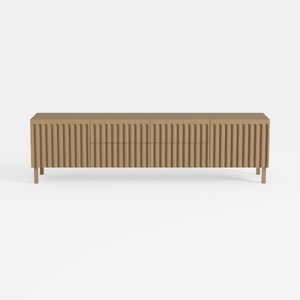
Minimalist Fluted Solid Wood TV Stand Cabinet 3D Model


Fluted Storage Cabinet, 31.5“ Wooden Sideboards
Looking to transform your space effortlessly? Homestyler offers an intuitive online design tool that lets you create stunning designs with ease. Explore countless 3D renderings, inspiring design projects, and engaging DIY video tutorials to bring your vision to life, no experience needed!
지금 무료로 디자인하세요
































