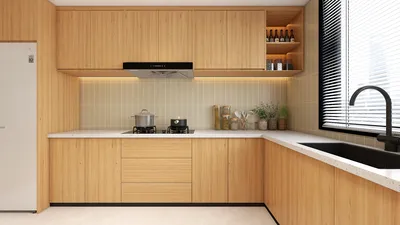


The realm of 3D interior design rendering is on the brink of exciting transformations that will redefine the dynamics between designers and their clients. As advancements in technology unfold, tools like Homestyler will empower designers to craft more immersive experiences, allowing clients to envision their spaces vividly and instantly. This evolution will not only streamline the design workflow but also foster more captivating interactions with prospective clients.
Innovative Technologies Influencing 3D Rendering
Modern technologies, particularly Virtual Reality (VR) and Augmented Reality (AR), are being seamlessly integrated into the interior design workflow. These innovations enable clients to virtually step into their envisioned spaces, facilitating easier and better-informed design decisions. Furthermore, Artificial Intelligence (AI) is significantly enhancing rendering processes, personalizing designs according to user preferences and historical trends. Tools powered by AI can recommend layouts, color palettes, and furniture arrangements that align with the client’s aesthetic.
Instant Rendering Features
The appetite for real-time rendering capabilities is escalating. Designers can now produce and adjust designs spontaneously, which allows for immediate feedback during presentations. This functionality bolsters collaboration between designers and clients, enabling modifications in real-time without the typical delays seen in traditional rendering techniques.
Emphasis on Sustainability in 3D Interior Design
As sustainability takes center stage in design philosophies, future rendering technologies will embrace eco-conscious materials and energy-efficient configurations. Designers will be provided with extensive databases of sustainable options via platforms like Homestyler, allowing them to visualize their environmental impacts. This integration will not only encourage greener selections but also educate clients on the advantages of sustainable design methodologies.
Increased User Engagement
Next-generation 3D rendering tools will emphasize user engagement, granting clients the ability to personalize various aspects of their designs. This includes options to alter paint colors, select furniture styles, and rearrange layouts within the rendering software. By offering clients this degree of customization, designers can better ensure that the final outcome is closely aligned with their expectations.
Greater Accessibility and Affordability
As technological advancements continue, 3D rendering is becoming increasingly accessible and cost-effective for designers at all levels. Cloud-based solutions provide smaller design firms access to high-quality rendering tools without the burden of hefty hardware costs. This accessibility fosters a rich variety of innovative designs emerging within the market.
In Summary
The future of 3D interior design rendering is immensely promising, marked by ongoing technological developments that significantly enhance the design experience. As designers integrate these advancements, they can craft more engaging and practical spaces that genuinely resonate with their clients’ needs and desires.
Frequently Asked Questions
Q: What role does AI play in 3D interior design rendering? A: AI plays a vital role in optimizing designs according to user preferences, suggesting layouts and materials that harmonize with clients' styles.
Q: How can VR and AR be applied in interior design? A: By utilizing VR and AR, clients can interactively experience their future environments in real time, simplifying the process of making thoughtful design choices.
Embrace the best Home Design Software with Homestyler!
立即免费设计
































