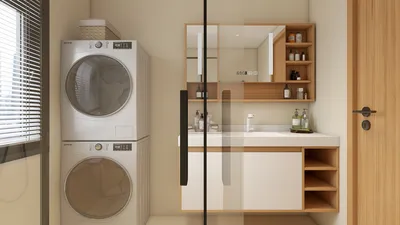


The future of living spaces is increasingly focused on smaller designs and high-efficiency lifestyles. Present-day renters and first-time homeowners encounter challenges like clutter accumulation, awkward layouts, and privacy concerns. Recent surveys by AIA reflect this trend: the demand for compact, energy-efficient homes is on the rise as buyers search for adaptable spaces that can serve multiple purposes. I envision a 700 sq ft floor plan as a streamlined operating system—efficient, flexible, and ready for upgrades—because the future is upon us, and I am already decoding it through a spatial reasoning lens, with tools like Homestyler.
Rail-Core One-Bed: Spine, then Branches
Design Logic: A central wet-core aligns essential areas such as the kitchen, bathroom, and laundry, much like a power bus, reducing resource runs and enhancing upgrade possibilities for electrification and future greywater management.
Flow: Progression from entry to drop zone, through kitchen rail, into living area and balcony; the bedroom is acoustically shielded to ensure morning routines remain undisturbed.
Sightlines: Upon entry, you’re greeted by a controlled view through the window wall; low-profile kitchen hardware allows for an uninterrupted horizon—clarifying the data hierarchy with light prioritized over objects.
Storage: Features include a full-height pantry, toe-kick drawers, a niche within the headboard, and a corridor cabinet—strategically distributed to minimize search time.
Furniture Fit: Accommodates a sofa between 72–84 inches, a 30x50 coffee table, a 36-inch round dining table, and a queen bed with 24 inches of clearance on either side; no room for drift, akin to strict API standards.
Verdict: This design template accommodates hybrid work and social gatherings efficiently; five years from now, the utilities can be decarbonized effortlessly as the core design remains aligned.
save pin
Studio with Switchable Grid
Design Logic: This layout features a 12x24 activity grid that spans the space; ceiling tracks and pivot panels allow for versatile configurations catering to work, rest, and social activities without complex construction.
Flow: From entry to utility wall, across the prep peninsula, into the versatile studio area, and onto the terrace; these paths operate like conditional statements—ensuring no collisions when uses change.
Sightlines: Lower partitions create a clear line to the windows; vertical shelving outlines a serene central area, preventing visual distractions from overwhelming the space.
Storage: The design incorporates a platform bed with built-in drawers, over-door storage, and a 16-inch deep wall of peg and rail—for easy access to essentials.
Furniture Fit: Includes modular 24-inch cubes, a foldable 30x60 desk, and lightweight lounge chairs; each piece seamlessly attaches to the grid as if they were components on a board.
Verdict: This studio functions like flexible firmware—capable of evolution; in five years, it transforms from a single inhabitant space to one accommodating a partner or pet, requiring only panel adjustments.
save pin
Split-Private One-Bed + Micro Den
Design Logic: The bedroom and mini-den are placed at opposite ends, providing a buffer between work and rest environments, while a mid-bay living room maintains public interaction—an architecture grounded in privacy.
Flow: Entry leads to a closet, then flows into the living area, kitchen nook, den pod, and bedroom; this sequence is designed to minimize interruptions between tasks.
Sightlines: A diagonal view from the sofa to the corner window enhances depth; the den is equipped with clerestory glass—allowing light in while maintaining privacy.
Storage: An L-shaped wardrobe, a bench with a lift-top, a 24-inch deep media wall, and a linen tower in the bathroom contribute to an organized space, alleviating cognitive load.
Furniture Fit: Positioned with an apartment-sized 24-inch range, a 24-inch dishwasher, a 60-inch media console, and a 48-inch desk in the den, along with a queen or full XL bed; precise placement ensures high throughput.
Verdict: This layout is designed with hybrid lifestyles in mind, anticipating growth for smaller families; over time it retains functionality even as activities become more complex.
save pin
Final Takeaway
A 700 sq ft home design is not merely a compromise; it serves as a sophisticated platform for energy-efficient, time-conscious living. With options for micro dens, adaptable studio configurations, and rail-core one-bedroom layouts, the space acts as a functional environment where storage operates efficiently and circulation flows like streamlined code. In my experience, smaller home designs consistently outperform larger ones because intentionality is more crucial than sheer size; the most effective square footage is that which is explicitly required to perform tasks, as illustrated by features available in Homestyler.
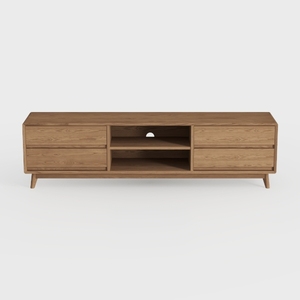
OKD TV Stand for 75+ Inch TV, Mid Century Modern
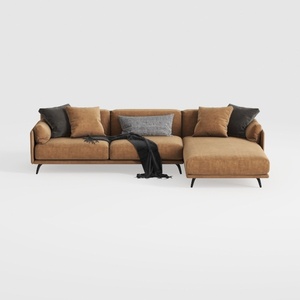

Coaster Home Furnishings - Camacho - Upholstered C

Bohemian Rattan Round Coffee Table 3D Model
Homestyler is your go-to online platform for home design. With its user-friendly design tool and impressive 3D rendering features, you can easily create stunning interiors. Plus, you’ll find a wealth of design projects and helpful DIY video tutorials to inspire your next home makeover. Start designing today!
立即免费设计
































