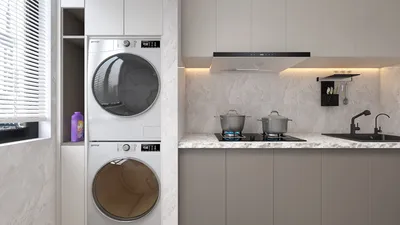


As we look towards the future, the buildings of today are adapting to the complexities of hybrid work environments, the challenges of retail volatility, and the demands of experience-focused users. Recent insights from NAHB indicate a consistent growth in the demand for flexible mixed-use designs, suggesting that versatility in programming is essential. When analyzing the floor plans of a four-story commercial building, I see parallels to an initial social commerce codebase: architecture serves as a framework, movement as software, and each room operates as an interconnected node. My clients' decisions are informed by a robust spatial reasoning toolkit—stripped of marketing jargon, focusing instead on aligning the right constraints with promising opportunities.
Level 1: Retail at Street Level + Entry Experience
Design Overview: The ground floor serves as a welcoming area, where retail units line a spacious lobby that anticipates click-and-collect services, small community events, and adaptable leasing arrangements as commerce evolves.
Movement: The design guides visitors through a sequence that begins at the double doors and leads into a central lobby, which then opens to shops and elevators, while the loading area operates parallel to guest access without interrupting their experience.
Visibility: The transparent façade acts as a user interface—creating visual paths from the street to the display windows, through the lobby, and up to the vertical core, always hinting at what’s next like a navigation guide.
Storage Solutions: The back-of-house storage areas and a compact parcel room are strategically designed to handle peak delivery times and returns with a first-in-first-out (FIFO) approach.
Furniture Layout: The use of modular display racks, with aisle widths ranging from 42 to 48 inches, and flexible checkout stations are tailored to accommodate weekend rushes and quieter weekdays.
Conclusion: This foundational layer operates smoothly like a well-defined API, providing stable access, adaptable retail spaces, and logistical support without visual clutter.
save pin
Level 2: Co-Working Spaces + Amenities
Design Overview: The second floor embraces a flexible layout, blending open collaboration hubs with quiet areas, catering to hybrid work patterns and the necessity for event-capable spaces within a cohesive loop.
Movement: The circulation flows from the elevator area to a central bar for collaboration, branching out to focused work pods and meeting rooms—creating a dynamic environment with context shifts throughout.
Visibility: The open layout features long views across community tables and shorter intervals into soundproof pods; information density is adjustable, similar to screen brightness controls.
Storage Solutions: Distributed storage areas, such as lockers and printing closets, maintain a clear workspace and efficient organization for users.
Furniture Layout: Features like 30-inch work surfaces, 60-inch spaces for meetings, and hot-desking clusters that are spaced six feet apart optimize layout for both productivity and device usage.
Conclusion: This layer is crafted with future culture in mind, allowing teams to adapt and evolve while keeping the structure understandable for years to come.
save pin
Level 3-4: Studios + Event Spaces / Light Hospitality
Design Overview: The upper floors transition into light hospitality and studio spaces including rooms for content creation, tasting experiences, and multifunctional event spaces, harmonizing to promote a brand-centric experience.
Movement: This level features a central gallery corridor leading through to various studios, service areas, and rooftop spaces; employee service pathways run discreetly parallel to minimize distractions.
Visibility: Layered sightlines connect the gallery with the urban landscape and direct the aesthetic focus from studios to carefully curated backdrops, utilizing visual hierarchy to set the mood.
Storage Solutions: Audio-visual closets, collapsible seating, and linen storage adapt to varying demands, providing temporary capacity while remaining efficient during less active periods.
Furniture Layout: Features include mobile seating risers and circulation paths ranging from 36 inches to 72 inches near key areas; this scale adjustment matches event dynamics.
Conclusion: These levels function as adaptable environments, ready to support brands, pop-up experiences, and learning initiatives, all structured within well-defined parameters.
save pin
## Final Insight
The floor plan of a four-story commercial building is more than mere geometry; it functions as a framework that navigates work, commerce, and culture through established protocols. With evolving designs like mixed-use stacked configurations and hybrid workspaces, the principles of clean cores, organized flows, and efficient storage remain constant. From my perspective, the most successful buildings of the future won't necessarily scale up but will focus more on intentional design; in my projects, even small spatial decisions profoundly influence how individuals interact, shop, and connect. Utilizing tools like Homestyler can help visualize such designs effectively.
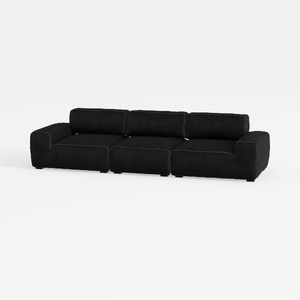

Minimalist Black Fabric Modular Sofa 3D Model
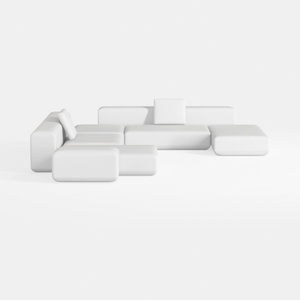
Minimalist Modern White Fabric Modular Sectional Sofa 3D Model
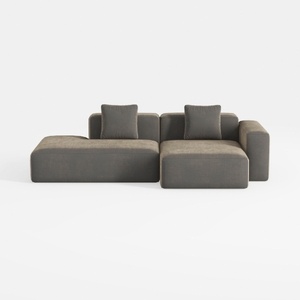
Minimalist Fabric L Shape Sectional Sofa with Throw Pillows 3D Model
Homestyler is your go-to online home design platform! With its user-friendly design tool, stunning 3D renderings, and a wealth of DIY video tutorials, you can effortlessly create and visualize your dream spaces. Start your design journey today with Homestyler!
立即免费设计
































