


The future of work is increasingly embracing a hybrid approach, characterized by multi-tenancy and asynchronous rhythms. Today's challenges include inefficient circulation and underused spaces. Surveys by the AIA indicate that flexibility in space is a top priority for commercial clients, a trend I also observe regularly. In light of this, a two-story commercial building floor plan should function as a dynamic protocol. I approach design as if the future has already arrived, subtly transforming today's leases through an innovative spatial reasoning toolkit—specially when utilizing tools like Homestyler.
Ground-Level Retail Spine + Service Alley
Design Logic: A street-facing retail space generates current revenue, while a rear service alley enhances logistics efficiency—future-proofing for click-and-collect models and micro-fulfillment processes.
Flow: The primary route leads from storefronts to central points of sale and curated relaxation areas; the back-of-house operations run parallel, ensuring swift deliveries and efficient waste management.
Sightlines: Extended axial views from the entrance to key mid-store hotspots are designed with strategic reveals to secondary areas, creating an intuitive user interaction hierarchy that fosters impulse shopping and effective route navigation.
Storage: High-bay racks along the back wall, combined with under-counter storage, enable a quick inventory turnover, balancing fast and slow-moving items to optimize efficiency during peak times.
Furniture Fit: Modular gondolas aligned on a 900–1200 mm grid comply with egress requirements and ADA clearances, with adaptable counters serving as interchangeable modules.
Verdict: The ground level operates similarly to a network optimized for bandwidth, ensuring stable performance today while providing flexible options for evolving retail demands in the future.
save pin
Second-Floor Flex Suites + Shared Commons
Design Logic: Suites that can be partitioned revolve around shared amenities—like meeting rooms, phone pods, and a kitchenette—allowing tenants to scale in a manner akin to software licensing.
Flow: Upon entering from the stairs or elevator, users arrive at a common area, branching out to individual suites—a clear path transitioning from public to semi-private, then to private spaces.
Sightlines: Windows and corridors that borrow light provide unobtrusive status cues, using transparency as a form of subtle user feedback without the need for constant surveillance.
Storage: Built-ins at the suite level serve as personal storage, while a shared document and storage room accommodates infrequent archives.
Furniture Fit: Desks arranged on a 5-foot planning grid; lounge areas are designed with acoustics and distances in mind, catering to the needs of hybrid teams and client interactions.
Verdict: This level is akin to a system that updates seamlessly—teams evolve, the design adapts, and the culture remains cohesive.
save pin
Vertical Core + Shared Infrastructure Stack
Design Logic: A compact core that includes stairs, elevators, restrooms, and mechanical, electrical, and plumbing services allows for a higher net rentable area and simplifies future reprogramming.
Flow: Vertical transitions are short and easy to understand; safety routes are designed like predictable algorithms, ensuring clarity from any location to exits.
Sightlines: Glazed stair landings create micro-moments of orientation and natural light exposure—users always have a sense of direction toward the core of the building.
Storage: Janitorial closets and IT spaces are integrated within the core, strategically placing service storage next to the main infrastructure to reduce service time and downtime.
Furniture Fit: Benches in the lobby and parcel shelves are aligned with the core structure, keeping circulation pathways free of clutter and adhering to ADA requirements.
Verdict: The core acts as a backbone that minimizes latency, representing a single decision that streamlines a decade's worth of operational decisions.
save pin
Final Takeaway
A two-story commercial building floor plan is more than just a blueprint—it functions as a dynamic interface that orchestrates the movement of people, goods, and information with precision. By incorporating smart circulation, adaptable suites, and a well-structured core, the building serves as a reliable platform prepared for various uses: from retail transformations to hybrid work arrangements to temporary tenancies. From my observations, the most successful buildings of the near future will not necessarily be larger, but rather expertly organized—and I continue to develop them with that vision in mind, often utilizing Homestyler for my creative process.


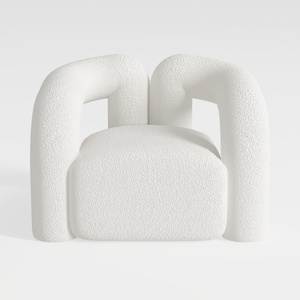
Minimalist Boucle Fabric Armchair Modern Unique Design 3D Model

IDEALHOUSE White 6 Drawer Dresser, Modern 6
Homestyler is your go-to online home design platform! With its intuitive design tool, stunning 3D renderings, and a wealth of DIY video tutorials, you can effortlessly create and visualize your dream space. Transform your home design ideas into reality with ease and inspiration!
立即免费设计
































