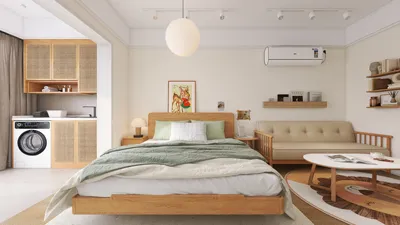


The evolution of travel emphasizes serenity and simplicity: a focus on presence, minimized distractions, and optimized spaces within compact designs. As travelers arrive with increasingly complex digital lifestyles yet lighter baggage, traditional hotel rooms continue to squander valuable space with outdated features. Reports from AIA hospitality indicate a growing desire for versatile, technology-driven guest accommodations; my work on boutique hotel floor plans treats space like upgraded firmware through the innovative use of tools like Homestyler. The ability to rearrange and enhance living spaces is already available to us, making future living more efficient than ever.
The upcoming lifestyle trends prioritize seamless experiences: areas that connect with guests upon arrival, sleep spaces that align with circadian rhythms, and bathrooms functioning as wellness hubs. Insights from platforms like Zillow and Houzz resonate with these desires—smaller spaces that offer greater functionality. My approach to room design treats them as interactive interfaces, where every touchpoint is arranged like a well-sequenced command, rather than mere decorative elements.
Threshold Studio: Entrance Bench + Compact Wardrobe + Open Sleeping Area
Design Principle: The entry point is focused and reduces tension, while recovery expands; I emphasize a compact threshold that alleviates stress and then reclaims space for the sleeping area. This trend reflects a shift towards restorative micro-luxury.
Flow: Entry Door → drop-off bench with hidden power outlet → compact wardrobe → bed alignment → window seat → bath area; it functions seamlessly like a straightforward command with no complications.
Sightlines: Upon entering, a controlled view reveals the headboard, followed by a framed cityscape; the design elements unfold: a calming foreground, a radiant boundary, and concealed utilities.
Storage: Features include a bench drawer, vertical wardrobe with an iron space, and under-bed storage—positioned conveniently for easy access.
Furniture Arrangement: A queen bed centered within a 9'–10' space, 14–18" side tables, and a 24" entry bench; every element fits tightly with no unnecessary space wasted.
Conclusion: In the next five years, travelers will value quick relaxation more than mere square footage; this layout effectively reduces arrival fatigue.
save pin
Loop Bath Suite: Sliding Glass Door + Wet/Dry Separation
Design Principle: Wellness has become the modern minibar; I differentiate wet and dry zones, allowing for concurrent usage—an upgraded solution for diverse routines.
Flow: Sleeping area → dry vanity facing the mirror → sliding door to shower/bath area → return to the closet loop; it maintains a smooth, non-interfering flow.
Sightlines: Frosted glass layers maintain privacy while mirrors enhance spatial depth, leading like a breadcrumb trail in UI design.
Storage: Space for towels, shallow vanity drawers, a medicine nook, and a laundry slot—storage options are strategically placed for quick access.
Furniture Arrangement: A 48" floating vanity, a 36" shower with a linear drain, and a pocket door measuring 1-3/8" to optimize space efficiency.
Conclusion: In boutique hospitality settings, this architectural split maximizes limited square footage, providing enhanced functionality for both couples and solo business travelers.
save pin
Work-Lounge Hybrid: Desk Edge + Cozy Nook + Soundproof Headboard
Design Principle: Work is now performed in concentrated bursts; I design a multifunctional corner that transitions smoothly between work mode and relaxation—future guests will require adaptable spaces over traditional rooms.
Flow: Desk positioned by the window → swivels to the lounge nook → easily pivots back to the bed; this tri-node design facilitates a seamless workflow.
Sightlines: The desk is oriented towards the view for broad focus, while the nook promotes intimate concentration; the headboard dampens noise, resembling a dark theme in UX design.
Storage: Dedicated slots for cables, a nook shelf for books, and a concealed fridge are all integrated within the design, strategically placed to align with areas of focus.
Furniture Arrangement: A desk depth of 18–20", 30" clearance for legs, seating heights of 28–30", and a compact lounge space at 30–34" depth; each measurement serves as an invitation to use the space gracefully.
Conclusion: In the coming five years, guests will favor accommodations that can transition smoothly between activities without visual clutter.
save pin
Final Insights
A boutique hotel room design must operate akin to software—quick to respond, capable of handling multiple functions, and displaying only essential elements. By utilizing compact zoning, wet/dry separations, and work-lounge setups, the room transforms into a hospitality interface that maximizes the usability of limited space. My observations indicate that the most effective hospitality designs prioritize flow and functionality over mere luxuriousness. Tools like Homestyler are invaluable in achieving these results, illustrating that a calm and efficient environment consistently outshines ostentatious luxury.
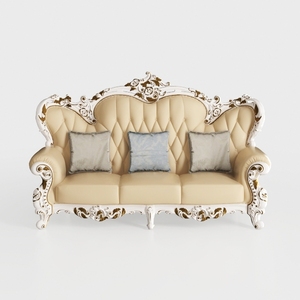
Baroque Luxury Leather Tufted Three Seat Sofa 3D Model
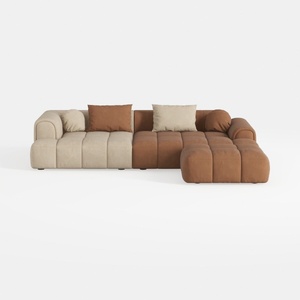
Modern Velvet Sectional Sofa, U Shape Minimalist M
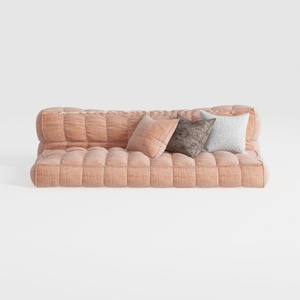

Minimalist Blush Fabric Tufted Contemporary Sofa 3D Model
If you're looking to redesign your home effortlessly, Homestyler is your go-to platform! With its user-friendly online design tool, stunning 3D renderings, and a treasure trove of DIY video tutorials, you can turn your design dreams into reality—no prior experience needed.
立即免费设计
































