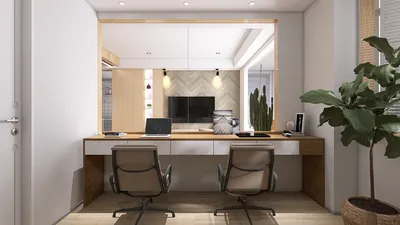


The homes of tomorrow are expected to function as adaptive software rather than mere static structures. However, many clients still face challenges like noise, clutter, and inefficient layouts. Industry trends reflect this shift; for instance, the latest AIA Home Design Trends Survey highlights a growing preference for flexible designs and multifunctional spaces. This signifies a remarkable transformation, where 3D colored L-shaped 3-bedroom floor plans become essential coding for modern living environments. A spatial reasoning toolkit effectively guides every decision, as we prepare for the future, designing spaces that respond to evolving needs, such as those offered by Homestyler.
L-Arm Core with Pivoted Social Spine
Design Principle: Establish the long arm for living and dining spaces while curving the short arm to accommodate bedrooms, creating a dynamic hinge ideal for hybrid work setups and multigenerational lifestyles.
Flow: Entry → drop-off zone → social spine → pivot kitchen → private corridor; this pathway optimizes movement and clarifies daily routines.
Sightlines: Layered design featuring door to window, window to terrace, terrace to horizon; distinct colored zones act like user interface panels, highlighting important features.
Storage: Incorporate perimeter wall-banks, deep hallway niches, and lift-up bed storage; strategically tuned to maximize efficiency, with higher capacity near the entry and lesser in the far arm.
Furniture Fit: Sofa modules measuring 900–1000mm in depth, dining areas sized at 1800×900, and queen frames at 1600×2000; these dimensions ensure smooth movement and functionality.
Final Verdict: This arrangement encapsulates family dynamics into an intelligible program, adapting seamlessly over five years to accommodate remote work, children's schedules, and aging in place, all without the need for a complete redesign.
save pin
Split-L Private Arm with Shared Buffer
Design Principle: Bedrooms are organized along the shorter arm, with a flex room in between that can transition between a study, nursery, or gym—intentionally designed for future adaptability.
Flow: From the social axis to the buffer node, branching out to rooms; this decision-making structure minimizes disturbances and nighttime interference.
Sightlines: Controlled visual arcs created by translucent doors, clerestories, and color bands, directing the eye like a breadcrumb trail, prioritizing privacy and orientation.
Storage: The buffer accommodates wardrobe walls, seasonal bins, and vertical bike racks; it effectively separates bulky items from everyday surfaces.
Furniture Fit: Desks sized at 1200×700 in alcoves, compact dressers at 900mm wide, and corner seating allowing for 600mm clearance, ensuring low latency in movement.
Final Verdict: The buffer functions as the family’s adaptable layer; it shifts usage seamlessly as life changes, maintaining a serene and organized private area.
save pin
Corner Suite with Service Backbone
Design Principle: Transform the inner L-corner into a primary suite, positioning essential services—kitchen, laundry, and storage—along the long arm for ease of maintenance.
Flow: The service backbone aligns with social pathways, allowing tasks to be completed without interrupting leisure activities, functioning like background processes.
Sightlines: The primary suite features controlled perspectives: nearby views of art, mid-range views of gardens, and distant views of the sky; 3D colored design enhances visual hierarchy.
Storage: A utility wall incorporating pull-out pantries, laundry setups, and a concealed cleaning hub—offering organized access and efficiency.
Furniture Fit: A platform bed measuring 1800×2000, modular lounge seating at 2400, and kitchen stations configured in 600/900 modules; all interfaces are designed to fit together harmoniously.
Final Verdict: This design fosters tranquility and subtle authority, ensuring that home maintenance becomes nearly invisible, while enhancing daily experiences of relaxation and hosting friends.
save pin
Final Takeaway
L-shaped 3-bedroom configurations, particularly when visualized in 3D color, function like a living operating system, adapting without structural disruption. The 3BHK plan achieves clarity when movement patterns, visibility, and storage solutions are viewed as integral components rather than mere aesthetics. Long-term strategies such as multifunctional buffer rooms and service backbones ensure resilience against evolving demands, transcending trends. From my perspective, the most intelligent homes of the future won't necessitate increased size but rather intentional design choices, much like what is facilitated through Homestyler.


Minimalist Solid Oak Wood Coffee Table with Black Base 3D Model

HOSTACK Buffet Cabinet with Hutch, Modern

Minimalist Linen Fabric Extra Large Sofa With Throw Pillows And Blanket 3D Model
Homestyler is your ultimate online home design partner! With its user-friendly design tool and stunning 3D renderings, you can effortlessly create and visualize your dream spaces. Explore a wealth of design projects and enhance your creativity through engaging DIY video tutorials. Transform your home today!
立即免费设计
































