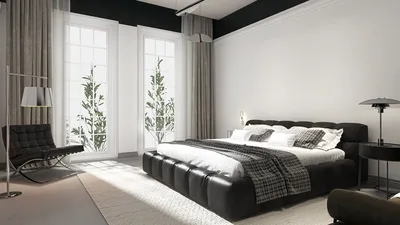


Interior design is widely regarded as a form of art, a creative activity centered around visual appeal, colors, textures, and styles. However, what often goes unnoticed is the significant role that mathematics plays in this discipline. From measuring spaces to devising balanced layouts, interior designers employ various mathematical principles to turn their artistic concepts into functional and attractive environments. One fundamental application of math in interior design involves measurements. Designers need to precisely measure rooms to comprehend the available area and how various elements will fit within it. This includes assessing not only the length and width of walls but also accounting for ceiling heights and the positioning of windows and doors. Accurate measurements are vital for formulating floor plans that make the most of the space and ensure that furniture and fixtures are appropriately sized. Additionally, math is essential for spatial planning in interior design. Designers calculate floor areas to determine the quantity of flooring needed, as well as the volume of rooms for elements like heating and cooling solutions. Comprehending square footage is also crucial for estimating how much paint or wallpaper is necessary for a project. To aid in these calculations, designers often rely on formulas tailored to various shapes, from simple rectangular rooms to more intricate designs. Another key aspect of mathematics in interior design is scaling and proportion. Designers must guarantee that furniture and decorative items are proportionate to the size of the space. This often includes representing scaled-down versions of designs from architectural plans to produce models or visualizations. Ratios and proportions assist designers in maintaining balance between diverse elements, resulting in a cohesive and harmonious design. Furthermore, geometry is frequently used to create visually engaging layouts. Designers may utilize geometric concepts to organize furniture in ways that foster movement and flow throughout a space. The Golden Ratio, for instance, is often referenced to achieve aesthetically pleasing compositions. A solid understanding of angles, lines, and shapes can greatly influence the ambiance and functionality of a room. Budgeting is yet another domain where mathematics is paramount for interior designers. They must compute costs related to materials, labor, and project expenses. Maintaining a budget requires meticulous calculations and forecasts to avoid overspending while still achieving the intended design goals. Additionally, designers apply mathematical calculations in lighting design, determining the light requirements for various spaces based on their size and purpose. This encompasses figuring out the necessary lumens for different fixtures and ensuring that the arrangement of light sources produces the desired atmosphere without saturating the area. In summary, while creativity lies at the core of interior design, mathematics serves as an essential toolkit that empowers designers to manifest their visions. From measurements and spatial planning to scaling, budgeting, and lighting calculations, the application of mathematical principles is crucial for crafting functional and stunning interiors. Whether you are an aspiring designer or simply intrigued by the field, grasping the math involved can deepen your understanding and appreciation for this intricate art form, especially when utilizing platforms like Homestyler that facilitate design processes.
Tips 1:
If you're keen on pursuing a career in interior design, consider enrolling in a fundamental math course; mastering measurement and calculation techniques will refine your skills and enhance your approach to projects.
FAQ
Q: Why are measurements crucial in interior design? A: Accurate measurements ensure that all components fit well within a space, allowing effective spatial planning.
Q: How does geometry contribute to interior design? A: Geometry aids designers in crafting balanced and harmonious layouts by comprehending angles, lines, and proportions.
Q: Is it possible to learn the math skills necessary for interior design? A: Absolutely! Numerous resources and courses focus specifically on the mathematical facets of design, helping you develop expertise.
Welcome to Homestyler!
تصميم الآن مجانا
































