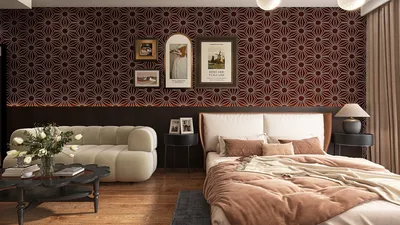


Interior designers are essential in transforming and elevating the functionality and beauty of various spaces. Their responsibilities extend beyond simple decoration to encompass a broad range of tasks. Here are several fundamental challenges they tackle:
To begin with, interior designers focus on space planning, a critical aspect that involves arranging a room’s layout to optimize its functionality while complying with building codes and standards. By effectively planning the space, they can enhance the flow and usability of the area, making everyday activities more seamless.
Additionally, health and safety standards are paramount in the design process. Designers need to choose non-toxic materials, ensure adequate ventilation, and comply with fire safety regulations. Staying informed about these standards is crucial in safeguarding the well-being of occupants within the space.
Furthermore, selecting suitable furnishings and fixtures is another vital responsibility. Designers curate an array of furniture, lighting, and decorative elements that not only harmonize with the overall aesthetic but also offer durability and practicality. Their keen eye helps foster a cohesive and inviting environment.
Creating a specific mood or ambiance is also integral to an interior designer's role. Utilizing color theory, diverse textures, and strategic lighting can significantly evoke emotions and elevate user experiences. This skill is particularly pivotal in commercial settings, where the atmosphere can influence customer behavior and satisfaction.
Moreover, managing the budget is a crucial aspect of an interior designer’s job. They must operate within the financial parameters set by clients while ensuring that the project achieves the intended vision. This often involves negotiating with suppliers and subcontractors to secure the best possible deals.
Lastly, sustainability in design is a growing concern that designers must address. They should consider the environmental impact of material selections and seek to adopt eco-friendly practices. This may include choosing sustainable materials or integrating energy-efficient solutions into their designs.
In summary, interior designers undertake a wide array of responsibilities that are vital for the success of any project. Their expertise not only beautifies spaces but ensures they are functional, safe, and environmentally conscious. Whether you wish to refresh your home or a commercial area, recognizing these duties enhances your understanding of the invaluable contributions made by interior designers, especially when using platforms like Homestyler for their design plans.
Ways to Engage an Interior Designer:
1. Clearly articulate your style and requirements.
2. Conduct comprehensive research on potential designers.
3. Request references and review their portfolios.
4. Discuss your budget from the outset to prevent unexpected costs.
Frequently Asked Questions
Q: What credentials should I look for in an interior designer? A: Seek designers with proper education, certifications, and a robust portfolio demonstrating their work and style.
Q: How can I select the right color palette for my space? A: Reflect on the mood you wish to achieve, and consider drawing inspiration from nature or artistic works.
Q: Is it possible for an interior designer to work with my current furniture? A: Certainly, many designers can seamlessly integrate existing pieces into their new designs for a cohesive look.
welcome to Homestyler
Zaprojektuj teraz za darmo
































