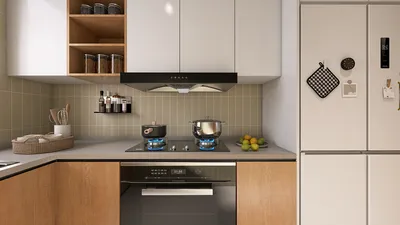


The diwan has always captivated me with its ability to transform a living room into a multifunctional space. It serves not just as seating but also as a daybed and a stunning centerpiece. When executed well, it seamlessly blends aesthetics with practicality for lounging, reading, accommodating guests, and even spontaneous naps. The key is to design the diwan to fulfill various roles while ensuring clear pathways, harmonious sightlines, and comfortable lighting.
Why a Diwan is Essential
As living spaces evolve to accommodate everything from work calls to lively social gatherings, the importance of versatile seating becomes increasingly evident. Research by Steelcase indicates that adaptable environments lead to higher levels of productivity and overall well-being, especially when a space is designed for various tasks (steelcase.com/research). The WELL Building Standard underlines the significance of comfort, glare management, and sound control in enhancing user satisfaction (v2.wellcertified.com). A diwan offers a perfect solution by allowing for upright discussions, relaxed reading, and even horizontal lounging, making it a crucial element in today’s hybrid homes.
Achieving the Right Proportions
Proper spatial ratios are vital in creating a seamless flow. Maintain 30-36 inches of open space behind or beside the diwan for smooth circulation. When pairing with a coffee table, aim for 16-18 inches from the front—close enough to grab a drink without undue strain. Planning to group a diwan with an armchair? Ensure a 7-9 foot distance to facilitate natural conversation without raising voices, while adhering to acoustic comfort guidelines that reduce sound reflection. When positioning a long diwan, I typically align it with the room’s best view or light source, counterbalancing with vertical elements like a bookcase or plant for visual interest.
Choosing Materials for Comfort and Sustainability
Opt for durable fabrics and breathable cushions. Blends of linen and cotton manage temperature effectively, and performance fabrics are ideal for resisting spills. If you frequently host gatherings, removable covers will be invaluable. The WELL Building Standard calls for low-VOC finishes and materials that minimize odors and off-gassing (v2.wellcertified.com), so consider GREENGUARD-certified foams and eco-friendly finishes. For a stable frame, select kiln-dried hardwood to prevent warping; powder-coated steel legs bring a sleek, modern touch. Color psychology suggests that warm neutrals evoke a sense of calmness and hospitality, while terracotta, sage, or deep blue accents ground the environment and promote relaxation (verywellmind.com/color-psychology).
Optimizing Lighting Around the Diwan
The right lighting can significantly enhance the functionality of a diwan. The Illuminating Engineering Society suggests maintaining an ambient light level of around 100-300 lux in living areas, increasing to 300-500 lux for tasks like reading (ies.org/standards). I recommend using three layers of light: soft ambient light via dimmable ceiling fixtures, a floor lamp with a shielded shade positioned near the back of the diwan, and a wall-mounted sconce or reading light placed just outside direct view to eliminate glare. Maintain a color temperature between 2700K and 3000K for cozy evening lighting. If the diwan is located near a window, adding sheer curtains will help diffuse harsh sunlight and prevent glare on screens.
Ergonomics: Key Measurements for Comfort
Comfort relies heavily on proper dimensions. Aim for a seat height of 16-18 inches to accommodate most users. Depths of 22-24 inches allow for comfortable lounging, while using a mix of 20-24 inch back cushions helps tailor the support. For daybed use, medium-firm cushions are preferable to prevent sagging over time. Arm bolsters can further provide lumbar support. If your diwan spans a long area, consider inserting a tray table or low pedestal at one end for easy access to items like drinks and remote controls.
Creative Layout Ideas for Enhanced Flow
I typically envision the diwan as the main anchor in a conversation triangle, accompanied by a lounge chair and an ottoman that can be moved as needed for larger groups. For narrower living areas, floating the diwan 8-12 inches from the wall creates a visual lightness and aids in cable management for lamps. In open-plan designs, rotating the diwan 90 degrees helps delineate the living space and allows for a console table behind it for storage and lighting purposes. A layout simulation tool like Homestyler can be invaluable in visualizing and refining different configurations before making a final decision.
Understanding Acoustics and User Behavior
The diwan is often a spot for quiet pursuits—reading, scrolling through a phone, or taking a quick nap—making careful acoustic planning worthwhile. Utilizing soft textiles, area rugs, and fabric-lined baskets nearby helps absorb sound. Avoid hard surfaces in direct front and back of the diwan; introducing elements like a bookshelf, acoustically-backed artwork, or a plant wall can help break up sound reflections. In homes where the living room is also a workspace, positioning the diwan away from direct sight lines of the TV minimizes distractions and creates a sense of privacy.
Defining Style: Modern, Classic, or Eclectic
In contemporary designs, a low, bench-style diwan in a textured fabric pairs effortlessly with slender metal legs and a minimal silhouette. For traditional settings, tufting and turned wood elements match classic details, while a bolster shape echoes vintage daybeds. In eclectic rooms, consider mixing various patterns—a large floral design on the diwan complemented by smaller geometric prints on accent cushions—tying it all together through a consistent color scheme (either warm tones or cool hues). The elongated shape of the diwan works beautifully with oversized artwork; hanging a significant piece at around 57 inches will be visually appealing from most eye levels.
Maximizing Storage with Style
Many diwans cleverly integrate storage without appearing bulky. I favor side-opening compartments to maintain the integrity of the cushions. A slender console positioned behind the diwan can keep chargers and reading lights organized. If you have overnight guests, store a breathable throw and hypoallergenic pillows in a nearby ottoman for a smooth transition to a guest bed.
Strategically Placing Near Windows and Doors
Ensure at least 36 inches of clearance for doors and 18 inches for operable windows to accommodate drapery. When positioning the diwan along a window wall, offset it slightly from the grid pattern of the mullions to avoid a formal, symmetrical feel. Utilizing a deep window sill as a display can also enhance aesthetics: arranging a ceramic lamp, a small plant, and a collection of books at varying heights creates a pleasing visual rhythm without overcrowding the space.
Using Color Psychology to Enhance Mood
Colors play a significant role in influencing behavior. Calming blues and greens promote relaxation, while earthy tones enhance warmth and social interactions (verywellmind.com/color-psychology). I tend to choose a neutral base for the diwan—such as taupe, oatmeal, or charcoal—and then add colorful cushions and throws to shift the ambiance. A good principle is to have two main colors and one accent, repeated three times throughout the space to achieve cohesion.
Pitfalls to Avoid
- Overloading the diwan with cushions can make it difficult for anyone to sit comfortably.
- Placing it too close to the wall flattens shadows and creates awkward lighting.
- Misjudging scale: a diwan that is too small for a spacious room will look lost, while one that's too large disrupts flow.
- Overlooking glare from adjacent windows; always evaluate reading positions during peak sunlight hours.
Care Tips for Longevity
Regularly rotate cushions monthly, promptly spot-clean spills, and vacuum upholstery with a soft brush to extend the life of the fabric. Annually condition wood surfaces and check leg fasteners every six months. If your diwan is exposed to a lot of sunlight, consider using UV-filtering sheers and rotating its position seasonally to combat fading.
Frequently Asked Questions
For a room measuring roughly 12x16 feet, opt for a diwan between 72-84 inches in length to maintain balance while still allowing space for a chair and coffee table.
Aim for a seat height of 16-18 inches. Lower seats feel inviting but may strain the knees for some; higher seats work better for households with a mix of ages.
Fabrics like performance weaves, tight twills, or microfiber with stain-resistant treatments are effective. Opt for darker mid-tones and removable covers when available.
Aim for 300-500 lux for task lighting using a shielded floor lamp or adjustable wall sconce, while keeping ambient light within the range of 100-300 lux. A warm color temperature of 2700-3000K will help ease eye strain.
Certainly, especially in smaller spaces. Ensure back support is adequate through cushions and verify that the depth works for everyday seating—not just lounging.
Create a seating triangle: diwan along with a lounge chair and a movable ottoman or bench. Maintain 7-9 feet of space between seating to accommodate natural sound levels.
Definitely. Rotating it perpendicular to the longest wall can effectively define the living area and be complemented with a console for storage and lamp positioning.
Utilize sheer layers to soften intense daylight, place reading lights outside direct lines of sight, and assess midday lighting conditions to mitigate glaring reflections.
Choose warm neutrals with subtle greens or blues to promote tranquility, complimented by a single deep accent (such as terracotta or navy) to anchor the color scheme.
Absolutely—favor side-opening compartments or a slender console behind the diwan for neat storage, and use ottomans to keep bedding light and accessible to maintain an airy appearance.
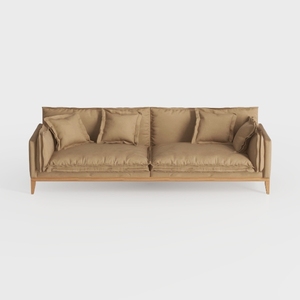

Minimalist Fabric Solid Wood 3 Seat Sofa With Throw Pillows 3D Model
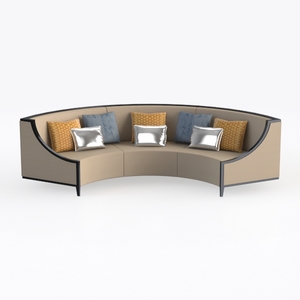
Modern Fabric Curved Sectional Sofa With Decorative Throw Pillows 3D Model
Homestyler is your go-to online home design platform! With its easy-to-use design tool, stunning 3D renderings, and a wealth of inspirational projects and video tutorials, you can effortlessly create and visualize your dream spaces. Transform your home design ideas into reality today!
Zaprojektuj teraz za darmo
































