

I've examined countless wallpaper options and discovered that texture does more than enhance aesthetics; it significantly influences the ambiance of a living room. Texture affects light modulation, sound dampening, and color cohesion. In residential settings, acoustics can be surprising for homeowners: walls with soft textures can effectively minimize echo in areas with hard flooring and large windows. According to research from Steelcase on workplace sound comfort, enhanced performance is noted as distractions fade, with noise being a primary concern in open areas; applying this concept at home makes it clear why textured walls are critical for improving speech clarity and promoting relaxation. WELL v2 also emphasizes that acoustic well-being is essential for comfort and mental health, which is a perspective worth considering for residential environments.
The interplay of color and texture significantly impacts mood. As noted by Verywell Mind, cool tones can foster tranquility, while warm colors serve to invigorate; on walls, matte and tactile finishes can temper saturation and reduce glare, making color schemes feel more inviting. The interaction of light is crucial: the Illuminating Engineering Society advises for balanced luminance to avoid glaring discomfort, as overly shiny wall treatments can produce hot spots under direct lighting. In contrast, textured, matte wallpapers distribute light more harmoniously and minimize harsh reflections that tire the eyes.
How Texture Shapes a Living Room
Texture sets the rhythm and visual balance of a space. Coarser textures attract attention and add depth, making long walls appear more proportional. In contrast, fine textures—like linen weaves and silk-infused grasscloth—offer elegance while allowing layered styling. From a human-factors perspective, tactile richness enables individuals to quickly grasp spatial intentions: soft, low-contrast textures signify relaxation, while bold, high-relief textures delineate areas of activity. When considering various furniture arrangements, utilizing a room layout tool such as Homestyler can help visualize how textured walls relate to sightlines and seating configurations.
Popular Wallpaper Texture Types and Where They Work
- Grasscloth: Made from natural fibers with subtle variations. Best behind sofas or buffets; avoid wet areas. Expect seams and color differences—it's part of its charm.
- Linen weave: Subtle, matte, and forgiving. Perfect for bright spaces where you desire low glare and understated elegance.
- Silk and mica fleck: Luxurious and softy reflective. Best for feature walls to capture evening light; pair with warm, adjustable lighting (2700–3000K).
- Embossed vinyl: Durable, easily cleanable, and realistic textile textures. Suitable for family rooms and busy households; offers better acoustics than plain paint.
- Cork veneer: Excellent for absorbing sound and adding warmth; a natural option for media walls or cozy reading corners.
- Wood pulp/grass hybrids: Provide an organic appearance with a tighter weave; a balanced choice between durability and richness.
Balancing Light, Color, and Acoustics
The synergy between lighting temperature and texture is essential. Warm, matte textures work well with 2700–3000K lamps for a comfortable evening ambiance. For living rooms that serve as workspaces, keep brighter task areas near 3500K while managing glare. Textured wallpapers help disperse reflections, ensuring even illumination throughout the room. For optimal acoustics, pair textured walls with rugs (covering at least 60% of the conversation area), upholstered seating, and lined curtains to diminish echo. A cork or heavy grasscloth feature wall can effectively lower reflections without overly dampening the space.
Scale and Proportion: Getting Texture Size Right
Large rooms can accommodate bold textures—consider deep embossing or expansive grass weaves—without overwhelming the visual appeal. Conversely, smaller rooms thrive with tighter textures that present as a smooth field, avoiding busy patterns. I evaluate texture from three distances: close up (1 meter), conversational distance (3–4 meters), and from the entrance. If the texture captivates up close yet calms from afar, you've found the ideal balance.
Color Psychology Meets Texture
Color theory indicates that cool neutrals and greens can enhance serenity, while softer terracottas introduce warmth and friendliness. Texture helps moderate intensity: a bright teal in a flat paint may seem overwhelming, while in a linen-textured wallpaper, it becomes more approachable. Use textured neutrals as a subtle backdrop and save more vibrant colors for feature walls to avoid overwhelming sensory experiences.
Durability, Maintenance, and Family Life
Select finishes based on usage patterns. Families with children or pets would benefit from scrubbable embossed vinyl or robust performance textiles. While stunning, natural grasscloth is liable to moisture and staining; restrict its use to dry, low-contact areas. Always request samples, apply them for about a week, and monitor their glossiness, dust retention, and the way edges respond to humidity.
Sustainability and Material Health
Prioritize low-VOC adhesives and substrates that incorporate recycled materials. Natural fibers like jute, sisal, and cork add tactile warmth while maintaining a lower synthetic impact. If vinyl is preferred for its clean ability, opt for phthalate-free variants and pair them with low-odor adhesives. Sustainable choices age gracefully, their natural patina appearing intentional instead of worn.
Installation and Detailing
Texture can highlight wall flaws, so proper preparation is essential: skim coat, sand, and prime surfaces thoroughly; inadequate preparation will show through fine weaves and grasscloth. Strategically plan seam placements away from main sightlines. For feature walls behind entertainment units, align seams with vertical elements for cohesive visuals. If your layout is still being finalized, use an interior layout planner like Homestyler to evaluate where a textured feature wall can have the most visual impact.
Lighting Strategy for Textured Walls
- Carefully employ wall washers or grazing light: grazing can enhance texture but also accentuate flaws.
- Maintain soft beam angles (40–60°) to ensure even coverage on delicate textures.
- Reduce brightness to 10–30% during evening hours to soften contrasts and enhance the tactile appearance without causing glare.
- Combine ambient, accent, and task lighting to avoid strong single light sources that create harsh shadows across textured surfaces.
My Shortlist Combinations
- Cozy family lounge: linen-textured wallpaper in warm gray + 3000K dimmable fixtures + cork-backed media wall for effective acoustics.
- Entertaining space: mica-fleck feature wall in muted bronze + wall washers + a tight-weave neutral on adjacent walls.
- Compact dwelling: tight grass weave in sand tones + sizeable area rug + low-sheen paint on the opposite wall to maintain equilibrium.
Budget Allocation and Staging
Prioritize your funding for the main backdrop wall—it’s prominently featured in all photographs and frames everyday life. Consider using paint or a more economical texture for secondary walls. If the project will be completed in stages, begin with the feature wall and lighting before enhancing with additional textures later through drapes and furniture upholstery.
FAQ
Q1: Which wallpaper textures are best for enhancing acoustics in a living room?
A1: Cork veneer, embossed vinyl with foam backing, and dense grasscloth are effective for reducing reflections and echo. Combine with rugs and upholstered pieces for optimal results.
Q2: Can textured wallpaper make a smaller living room feel confined?
A2: Not if the texture is fine and low-contrast. Tight linen weaves can appear as a subtle field, adding depth without overwhelming visuals. Reserve larger, high-relief textures for a singular feature wall.
Q3: How do I select a texture that works well with natural light?
A3: In well-lit spaces, matte and fibrous textures help mitigate glare and hot spots. For areas with limited daylight, understated mica or silk blends can bring a gentle uplift without reflecting excess shine under lighting.
Q4: Are natural textures like grasscloth durable in homes with children and pets?
A4: They are better suited for low-contact areas. For more resilient options, consider scrubbable embossed vinyl or performance textile wall coverings that resist stains.
Q5: What color temperatures best complement textured walls?
A5: 2700–3000K for evening warmth; up to 3500K for versatile rooms that require reading or concentrated tasks. Utilize dimmers to modulate contrast across textured surfaces.
Q6: Can textured wallpaper mitigate TV glare?
A6: Absolutely. Matte textures positioned behind or opposite the screen help reduce reflected light and enhance perceived contrast. Steer clear of glossy finishes in media zones.
Q7: How should I plan seams on a feature wall?
A7: Center a full-width drop in the main line of sight, then balance seams symmetrically. Avoid seam placement in spots where grazing light could highlight edges.
Q8: What’s the best method to test a texture before making a commitment?
A8: Request larger samples, mount them vertically, and observe throughout a full day—during natural light, evening illumination, and dimmed settings. Pay attention to dust accumulation, color shifts, and edge responses.
Q9: Which adhesives work best for textured wallpapers?
A9: Employ manufacturer-recommended low-VOC adhesives; heavier textures typically require stronger paste-the-wall formulations. Proper priming is essential to avoid issues during removal.
Q10: How do I coordinate a textured feature wall with my furniture?
A10: Choose large furnishings in solid, tactile fabrics while introducing patterns in limited quantities (decorative pillows, throws). Maintain a 60/30/10 balance: 60% subtle texture, 30% supporting solids, 10% accent pieces.
Q11: Is it possible to mix two different textures in one living room?
A11: Yes—select one primary texture (feature wall) and a corresponding secondary texture (adjacent walls) in similar color tones. Vary the sheen and weave scale to create layered depth without competition.
Q12: How do I ensure that my choice is future-proof?
A12: Choose timeless neutrals in tactile weaves and add color through artwork and textiles. Opt for removable or strippable backings to facilitate easier updates in the future.

Minimalist Solid Wood Linen Fabric Three Seat Sofa 3D Model

Meridian Furniture 77054Natural Everson Collection
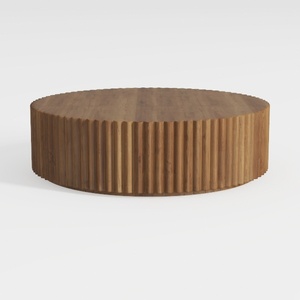
Minimalist Solid Wood Fluted Round Coffee Table 3D Model
Looking to transform your space? Homestyler is your go-to online design platform! With its user-friendly design tool, stunning 3D renderings, and a wealth of DIY video tutorials, you can effortlessly create and visualize your dream home. Dive into a world of design possibilities today!
Concevez maintenant gratuitement
































