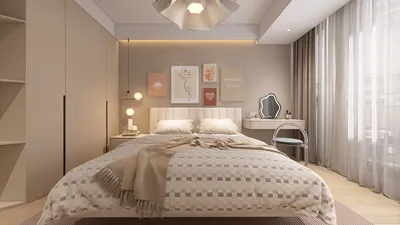


I often turn to plaster when seeking to infuse warmth into a contemporary home without overwhelming visual elements. Its matte finish softens the light, blurs edges, and enhances the richness of colors—ideal for environments that embody understated luxury. Proper lighting is essential: the Illuminating Engineering Society advises maintaining 100–300 lux in living areas and 300–500 lux for task-oriented spaces, levels that plaster’s low sheen helps achieve by reducing glare and hotspots. In workspaces, I adhere to WELL v2 guidelines concerning contrast and visual comfort, combining plaster with layered lighting to ensure faces and surfaces remain comfortably discernible over time.
The impact of color psychology cannot be overlooked. Soft, warm neutrals (think lighting in the 2700–3000 K range paired with pale clay hues) foster relaxation, while cooler shades can create a more focused, gallery feel. Studies indicate that color and brightness significantly affect mood and concentration; balanced, diffuse lighting paired with regulated contrast encourages occupants to feel calmer and more engaged. For comprehensive insights into how environments influence behavior, Gensler’s research offers valuable benchmarks applicable to versatile residential spaces.
Plaster as a Contemporary Surface: Where Texture Meets Elegance
Modern designs gain from restraint, and plaster serves this purpose by delivering subtlety without overwhelming patterns. I typically specify lime or gypsum plaster for breathable, soft-textured walls that improve with age. In living rooms, a conspicuous sculpted plaster wall behind a sofa serves as a focal point; in bedrooms, a continuous plaster headboard niche cultivates a cozy atmosphere and reduces visual clutter at the bedside. For open-concept layouts, vary the plaster finish slightly between areas—ultra-smooth for dining spaces, gentle mineral texture in the lounge—to indicate function without establishing rigid separations. Utilizing Homestyler can assist in visualizing these variations.
Light, Sheen, and Shadows
Plaster truly shines under layered lighting conditions. I recommend a 1:3 ratio of ambient to task lighting in living spaces, complemented by low-glare accent lighting to highlight texture. Keeping the beam spreads focused along feature walls and utilizing indirect lighting for general illumination is essential. For spaces like home offices or reading nooks prone to eye strain, I suggest sticking to 3000 K–3500 K for task lighting while assigning 2700 K to relaxation areas. Installing dimmers and dual circuits is vital—plaster’s charm lies in its ability to transition beautifully. It’s advisable to steer clear of high-gloss or overly reflective light fixtures that can dull the surface’s appeal.
Color Palettes: Earth, Chalk, and Charcoal
I often construct color schemes around earthy midtones in living areas and chalky whites in hallways to facilitate light movement. For a dramatic touch, consider pairing bone-colored plaster with deep anthracite trim; this dark accent frames edges reminiscent of architectural illustrations. In rooms with north-facing windows, infuse warmth with a hint of ochre to counteract the cool daylight; conversely, in south-facing spaces, opt for a neutral grey-beige to prevent overly yellow hues. Since the matte plaster surface subtly desaturates colors, testing large samples in the final lighting conditions prior to making a commitment is crucial.
Curves, Niches, and Architectural Flow
Plaster excels in creating soft geometries. I favor shallow radius corners around door entries and media walls to minimize visual friction in minimalistic settings. Built-in plaster niches can eliminate the need for bulky shelves; a depth of 4–6 inches is sufficient for display objects without intruding into walkways. Along hallways, evenly spaced niches contribute to a rhythmic appearance; a single large niche in living rooms can showcase artwork without causing glare. To plan these installations in an open layout, utilizing a room design tool like Homestyler can aid in assessing sightlines and circulation patterns prior to applying the first coat.
Fireplaces and Focal Walls
A plaster fireplace introduces a calming sculptural element that often exceeds the appeal of tile or stone. I extend the plaster mantle to the ceiling, using subtle trowel variations that become visible under grazing light. For media walls, recess the screen slightly and finish the recess with matching plaster, channeling cables behind to keep the focus on the content rather than the hardware. When incorporating microcement or tinted finishes, it’s essential to protect with breathable sealants to combat handprints without adding sheen.
Kitchens and Bathrooms: Tadelakt and Microcement Solutions
In areas exposed to moisture, I opt for tadelakt or microcement methods designed for wet conditions, ensuring proper preparation and waterproofing are in place. The key lies in maintaining continuity: extend the plaster through vanity walls and envelop niches to obscure grout lines. Curbless showers featuring plaster-wrapped benches look seamless, particularly when paired with brushed stainless or blackened brass fixtures for contrast. Adequate ventilation is crucial to maintain the integrity of the finish; exhaust fans must be appropriately sized, and humidity levels should be monitored to prevent micro-cracking.
Acoustic Comfort in Open Concept Designs
While plaster surfaces can reflect sound, leading to raised noise levels in spaces with hard surfaces, I find balance through absorbent rugs, upholstered furnishings, and acoustic panels that double as art. In longer rooms, a plaster ceiling paired with micro-perforated acoustic backing can help mitigate reverberation while preserving a unified appearance. Positioning soft materials against opposite walls can disrupt echoing reflections and maintain conversational comfort in family environments.
Ergonomics, Durability, and Everyday Usage
In high-traffic areas—around stair rails, switch zones, and hallway corners—I recommend a more robust plaster coat or a protective mineral wax to increase resilience against marks. Maintaining corners at a 1/2 inch radius in spaces meant for children helps avoid chipping. In the kitchen, a low-sheen, breathable sealant facilitates easy cleaning in food prep zones without introducing unwanted gloss. Baseboards should be slightly raised to protect edges while maintaining a minimal modern profile.
Sustainability and Indoor Air Quality
Lime plasters absorb a portion of CO₂ during the curing process and boast low VOC levels when paired with compatible sealers. In tightly sealed homes, prioritize finishes that don’t emit off-gasses and that help regulate humidity. Plaster’s vapor-permeable characteristics work in harmony with breathable wall assemblies, significantly reducing the risk of mold growth. When possible, source aggregates locally and ensure that repairs are detailed so finishes can be refreshed rather than entirely replaced.
Lighting Integration: Hidden Lines and Recessed Reveals
Plaster has the unique ability to conceal lighting. I frequently integrate LED strips into plaster coves or beneath floating shelves to achieve an even wash of light on walls. In corridors, continuous recessed reveals serve as a nighttime pathway without glare. Maintaining a high color rendering (CRI of 90 or above) ensures that material tones remain authentic, and the use of baffles or louvers can help manage reflections where downlights interact with textured walls.
Furniture and Art Against Plaster
Because plaster offers a subdued backdrop, it’s the perfect setting for sculptural furnishings and large-scale art pieces. Position casework slightly off the wall with a 1/2 inch shadow reveal to create a lighter visual mass. For gallery walls, plan a structured grid with consistent spacing; installing hooks during the finishing phase and patching holes with the same plaster compound maintains a seamless surface if art pieces are rotated over time.
Planning and Sample Mockups
Mockup boards are essential. I typically evaluate at least two scales of finishes: a small hand sample to assess technique and a 4–6 square foot wall mockup to analyze light interplay throughout the day. If multiple zones are being designed within an open layout, employing a room design visualization tool like Homestyler will help confirm furniture clearances, niche arrangements, and lighting distribution before fabrication begins.
Maintenance and Aging
Prepare for some natural aging. Minor blemishes can enhance character, while significant scuffs can be polished on lime plasters or spot-refinished by a qualified artisan. It is wise to keep a reserve of the precise mix for touch-ups and to track batch numbers and water ratios. Avoid harsh cleaners; a microfiber cloth coupled with a pH-neutral solution generally suffices.
FAQs
Q1: Is plaster suitable for family rooms with high traffic?
A: Indeed, with an appropriate mix and finish. Specify a robust lime or gypsum system with slightly rounded corners and a breathable protective layer in frequent contact areas. Arrange furniture to divert traffic from vulnerable edges and create lighting levels that won't accentuate minor scuffs.
Q2: What’s the best approach to lighting a textured plaster wall?
A: Use narrow beam grazers or wall washers positioned 8–14 inches from the surface and connect to a dimmable circuit. Maintain ambient light separately to manage contrast effectively. High-CRI sources in the 2700–3000 K range preserve the warmth without sacrificing detail.
Q3: Will plaster enhance sound absorption?
A: Traditional plaster reflects sound, leading to minimal absorption on its own. Counterbalance the space with rugs, upholstery, and concealed acoustic solutions. For larger open areas, consider ceilings made of micro-perforated plaster with acoustic backing.
Q4: What plaster is best suited for bathrooms?
A: Tadelakt or microcement systems designed for wet areas, combined with adequate waterproofing features, are ideal. Be sure to finish with compatible sealers while ensuring robust ventilation to maintain humidity levels and prolong durability.
Q5: Which colors create the best ambiance in modern plaster interiors?
A: Soft, chalky off-whites, warm clays, and subdued greige tones provide serene backdrops. In spaces with limited light, slightly warm the hues; in well-lit areas, neutral tones work best to prevent yellowing. Always sample large color swatches under the intended lighting before making a final choice.
Q6: How can I minimize imperfections on plaster walls?
A: Employ matte finishes, layer ambient lighting to soften shadows, and avoid shiny fixtures. Careful trowel work and subtle textures help conceal minor surface variations.
Q7: Is lime plaster environmentally friendly?
A: Lime plasters not only reabsorb some CO₂ during curing, but they also have low VOC levels. When coupled with breathable wall assemblies and low-emission sealants, they actively contribute to healthy indoor air quality.
Q8: Can I mount art and shelves on plaster walls?
A: Yes, make sure to plan appropriate backing or use suitable anchors for heavier items. Set hooks during the finishing phase, and repairing holes with the original mixture ensures a continuous surface when changing out artwork.
Q9: What lighting standards should I aim for in living rooms featuring plaster?
A: Aim for approximately 100–300 lux for general areas, and 300–500 lux for tasks, using dimmers to adapt to shifts from daytime hustle to evening relaxation. The matte finish of plaster helps keep glare to a minimum while maintaining comfortable contrast.
Q10: What routine should I follow to maintain lime plaster walls?
A: Regular dusting, cleaning with a damp microfiber cloth and pH-neutral solution, and keeping a labeled touch-up kit readily available are vital. Minor marks can be lightly polished or spot-refinished by a skilled artisan.
Q11: How do curves and niches influence circulation in a space?
A: Softened corners and niches that are 4–6 inches deep help to minimize projection into walkways, thereby enhancing flow. Use an interior layout planner to map these features to ensure clearance around doors and furniture.
Q12: Can plaster crack in modern, tightly insulated homes?
A: With appropriate substrates and joint treatments, movement-induced cracking can be kept to a minimum. Maintaining stable indoor humidity and temperature, along with specifying mesh reinforcement at transitions, can further mitigate risks.
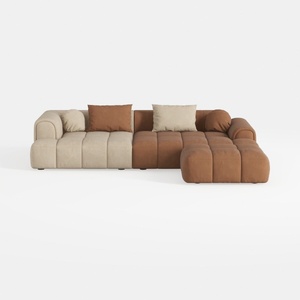
Modern Velvet Sectional Sofa, U Shape Minimalist M
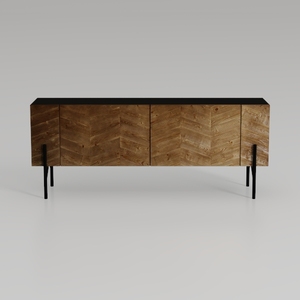
Modern Chevron Solid Wood Metal Sideboard 3D Model


Looking to transform your space? Homestyler is your go-to online home design tool! With stunning 3D rendering, a vast array of design projects, and engaging video tutorials, creating your dream home has never been easier or more enjoyable. Unleash your creativity today!
Projete agora para LIVRE
































