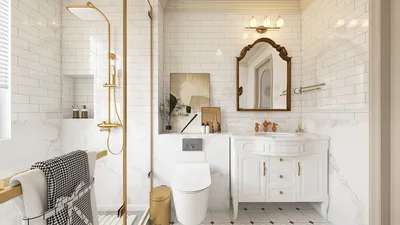


Deep brown curtains instantly exude a touch of elegance in any living room. Their earthy hue serves to frame views, harmonize with bright walls, and offer a polished look without overpowering the overall color scheme. When I'm aiming for warmth and a cohesive feel across various materials like leather, wood, and textured fabrics, I always opt for rich brown tones.
Numerous studies indicate that our choices in color and lighting have a significant impact on comfort and behavior. According to research highlighted by Verywell Mind in the realm of color psychology, shades of brown evoke feelings of stability and security—attributes that many homeowners desire in their living areas. From a practical standpoint, the Illuminating Engineering Society (IES) suggests a task illuminance level of 300–500 lux for reading and everyday use, which guides how the opacity of curtains should complement layered lighting in a living space. For more comprehensive insights on enhancing well-being in residential settings, the WELL v2 framework offers valuable guidance on managing glare and brightness, which is essential for planning curtains in your home. For further reading, please visit verywellmind.com/color-psychology and v2.wellcertified.com.
The Mood-Enhancing Impact of Dark Brown Curtains
Dark brown functions as a subtle anchor in a room. It visually balances tall windows, softens harsh daylight, and creates a cozy atmosphere after dusk. I enjoy combining it with warm whites, sandy beiges, ochre, or muted greens; these pairings keep the space inviting while maintaining clarity. In living rooms with cooler undertones, such as gray floors or steel accents, adding dark brown drapes can effectively rebalance the color scheme with a natural contrast.
Managing Light, Glare, and Comfort Levels
Thoughtful brightness control significantly benefits reading nooks, media areas, and social spaces. The IES recommends a lighting level of approximately 300–500 lux for comfortable visibility without glare. Utilizing blackout liners is advantageous for daytime screen viewing, alongside adjustable lamps and wall lights that foster a pleasant evening atmosphere. For households especially sensitive to glare, employing a dual-layer approach is effective: sheer panels for diffusing light plus dark brown curtains for deeper light control when necessary.
Choosing Textures, Weaves, and Materials
The beauty of dark brown truly shines in its texture. Linen blends add a relaxed, breathable feel. Velvet, on the other hand, brings a sumptuous depth and absorbs light beautifully—perfect for spaces aimed at cinematic experiences. Twill or herringbone textures offer subtle patterns that appear understated from a distance yet engaging up close. I prefer to steer clear of overly glossy finishes; matte or low-sheen fabrics harmonize better with walnut, oak, or leather furnishings over time.
Color Combinations and Visual Harmony
To maintain visual rhythm, echo the drapery's hue in other elements—think picture frames, lamp bases, or coffee table surfaces. Lighten the overall look with light rugs or textured throws, ensuring the room feels balanced and not overly heavy. A principle I follow is this: for every dark vertical element like curtains, include a lighter horizontal feature such as a rug or a low sofa to distribute weight evenly. If you're optimizing furniture layout and flow in conjunction with window treatments, utilizing a room design tool can help visualize sightlines and seating arrangements before making final decisions.
Room Design Tools
Considerations for Proportions, Hem Lines, and Heading Styles
Full-length curtains that just touch the floor add a sense of luxury; a slight 1–2 cm break is preferred if you like a softer look. For contemporary settings, a tailored 'French return' rod detail keeps edges neat and minimizes light leaks from the sides. Pinch pleats are a more formal option, while ripple fold headers offer a modern aesthetic and even fabric distribution—ideal for larger window spans.
Layering Techniques for Day-to-Night Flexibility
I often use sheers paired with dark brown panels as my go-to strategy. The sheer layer allows for daytime privacy while still letting in natural light, while the dark brown curtains provide closure at night. In north-facing spaces, prioritize lighter sheer fabrics to maximize available light. For south- or west-facing rooms that receive plenty of sunlight, consider using interlining for better insulation and an even appearance.
Acoustic and Thermal Properties
Thicker fabrics and interlining significantly reduce mid- and high-frequency noises, which is especially beneficial for busy households or homes near busy streets. The thermal advantages are noteworthy as well: lined curtains help minimize drafts and reduce heat loss during colder months. For those prioritizing energy efficiency, consider pairing them with snug-fitting shades; the air gap created acts as an effective insulator without compromising style.
Selecting Hardware, Rod Finishes, and Mounting Heights
Dark bronze, antique brass, or matte black rods beautifully complement brown fabrics. Mounting rods 10–15 cm above the window crown helps elongate the wall, drawing the eye upward. In rooms with lower ceilings, extending rods wider than the window frame allows curtains to stack off the glass, maximizing light intake and creating a sense of spaciousness.
Deciding Between Patterns and Solids: When to Embrace Movement
Opting for solid colors creates a serene and adaptable living room, especially suitable for seasonal styling. If you desire a touch of movement, consider subtle tone-on-tone patterns like micro-stripe or faint chevron that suggest texture. Be cautious with large prints as they can overwhelm unless the rest of the scheme remains quite subdued.
Care, Durability, and Eco-Friendliness
Choose textiles with stable dyes and consider UV-protective liners to mitigate fading from sunlight. Many modern performance velvets and poly-linen blends allow for easy spot cleaning. For those conscious of sustainability, seek out recycled materials or fabrics certified by third parties, and prioritize timeless solid colors to decrease the need for replacements. Opt for quality hardware and meticulous installation to ensure longevity that surpasses fleeting trends.
Quick Style Inspirations
- Cozy contemporary: espresso velvet paired with a brass rod and an oatmeal area rug.
- Laid-back coastal: cocoa linen with a matte black rod and driftwood accents.
- Classic mid-century: dark walnut drape featuring a ripple fold header alongside a low-profile camel leather sofa.
- Chic modern rustic: chocolate herringbone with a blackened steel rod and woven jute textures.
Frequently Asked Questions
Warm whites, greige, soft beige, and muted sage or olive complement dark brown beautifully. Cool gray can also work if you introduce warming accents for a balanced ambiance.
No, as long as you balance dark elements with lighter rugs, sofas, or sheer panels. Extending rods wider than the window and allowing panels to stack outside helps maintain an airy feel.
They are beneficial for media viewing or households with light-sensitivity. Otherwise, a dual-layer setup (sheers with lined panels) offers excellent control without complete blackout.
Velvet offers depth and a luxurious feel, particularly in espresso or chocolate hues. Pinch pleats and heavier interlining contribute to an elegant appearance.
Absolutely. Close the panels during peak sunlight and utilize sheers to diffuse light. Aim for a comfortable illuminance level around the IES-recommended 300–500 lux for everyday tasks in your living space.
Ideally, mount 10–15 cm above the window frame to create a taller visual line. In rooms with lower ceilings, install as high as possible and extend rod width to allow panels to stack off the glass.
No, they contribute warmth to the space. Incorporate bridging elements—like walnut side tables, brass decor, or camel textiles—to harmonize cool floors with warm curtains.
Balance dark verticals with lighter horizontal elements: consider pale rugs, light sofas, or airy sheer curtains. Reflective or metallic accents can elevate the visual heaviness without disrupting the warmth.
Ripple fold headers ensure clean lines and even fabric distribution—perfect for contemporary living rooms with expansive spans.
Look for recycled or responsibly sourced fibers, coupled with durable, timeless solids. Complement these choices with quality hardware to minimize replacement needs.



Looking to transform your space? Homestyler is your go-to online home design platform! With its user-friendly design tool, stunning 3D renderings, inspiring design projects, and helpful DIY video tutorials, you can create your dream home effortlessly. Start designing today!
Progetta ora GRATIS
































