

I have evaluated and tested compact heaters suitable for various settings such as apartments, studios, and small offices, and I've found that the 800W models from Bajaj consistently offer exceptional spot-heating performance. When considering a Bajaj 800W room heater, you can expect a competitive price point, efficient energy usage, and the ability to create quick warmth in your space without risking circuit overloads.
To set realistic expectations: an 800W heater typically consumes 0.8 kW. With the average residential electricity cost in the U.S. hovering around $0.15 per kWh (according to the EIA), running it for an hour will cost you about $0.12; should you use it for four hours daily over a month during winter, your electricity bill would be around $14.40. From a comfort perspective, Steelcase research indicates that allowing users to manage their microclimate can boost task performance by approximately 2–5%. This emphasizes the importance of personal heating solutions like small space heaters. Furthermore, the WELL v2 standard on Thermal Comfort encourages control over individual thermal environments, which can enhance user satisfaction when small heaters are strategically operated.
In compact spaces or studios, I enhance the efficiency of 800W units by utilizing layered textiles and door sweeps to minimize heat escape, resulting in quicker recovery times and reducing operating cycles. The price for Bajaj’s 800W heaters generally falls within budget-friendly categories, influenced by features like dual heat settings, tip-over protection, and fan assistance. As a spatial planner, I also consider glare management, noise levels (fan sound), and cable organization to ensure clear pathways and minimize the risk of tripping.
What to Anticipate: Typical Pricing Ranges
According to recent market analysis across multiple retail platforms, here’s the realistic pricing landscape for Bajaj-style 800W personal heaters:
Pricing can vary significantly depending on the season, location, and retailer promotions; winter price hikes are quite common. If you're considering a purchase, it's wise to buy just prior to peak winter months or during sales events to avoid inflated prices and inventory shortages.
Heat Output and Room Sizing Considerations
An 800W heater fits best in small areas or personal zones. In practical terms: an 800W unit can effectively warm a well-insulated room of 80–100 sq ft more quickly than a drafty space of 150 sq ft. For larger, open areas, use it as a localized warming tool—direct it toward the occupied space and patch up any air leaks. If you are crafting a layout for a dorm or studio and want to determine the optimal heater placement, using a straightforward room layout tool can help visualize space clearance and cable routes.
Snapshot of Operating Costs
Here’s some quick math that homeowners commonly inquire about:
Should your electricity rate be higher, or if you run the heater for longer durations, adjust your calculations accordingly. With dual-mode systems (400W/800W), setting it to 400W can provide background warmth while effectively reducing power consumption.
Essential Features You Should Consider
From my experience with small appliances in compact living arrangements, I emphasize the following key elements:
For those renting, compact models with built-in handles make storage a breeze. In older buildings, it’s critical to check the condition of outlets and the capacity of circuits to prevent any electrical issues.
Safety Standards You Must Not Overlook
Every space heater requires a minimum 3-foot clearance from flammable materials like curtains and bedding, should be placed on a stable surface, and used with a dedicated outlet. I also advise against leaving these devices unattended overnight. Both WELL v2’s Thermal Comfort standard and IES lighting guidelines advocate for environmental control that prioritizes safety; if the glow from indicator lights is bothersome at night, consider repositioning or using a baffle instead of obstructing airflow. Additionally, keep the heater dry; bathrooms are unsuitable unless it has specific approval for damp areas.
Strategic Placement for Enhanced Comfort
When designing small bedroom layouts, I maintain at least 1 meter from bedding and 0.5 meters from side walls to preserve escape routes. If you are rearranging furniture, conducting a quick simulation using an interior layout planner can be valuable before making any final decisions.
Maintenance Tips for Durability
Dust poses a significant threat to performance. Regularly clean intake grills to ensure airflow remains optimal and to prevent overheating. Be sure to inspect power cords every season. If you notice any unusual smells or discoloration from the unit, it’s best to retire it; the risk of thermal fatigue isn't worth it. For off-season storage, keep it in a dry cabinet to protect against corrosion, particularly in coastal regions.
Who Gains the Most from an 800W Bajaj Heater
- College students in dorms requiring localized heating
- Remote workers needing warmth at their workstations instead of heating entire rooms
- Bedrooms during mild winters where central heating may not be available
- Older adults who require gentle and consistent warmth, given adequate safety measures
Advantages and Disadvantages Overview
Advantages: low operating costs, portability, rapid localized warmth, gentle on electrical circuits. Disadvantages: not suited for large areas, some models may produce more noise, and can cause dry air if used excessively without balance.
Checklist for Purchasing
References and Studies
For insights on comfort and microclimate management, explore findings from Steelcase Research. For broader wellness alignment concerning thermal comfort and user autonomy, consult the WELL v2 standards.
Frequently Asked Questions
Entry-level models typically fall within a budget-friendly range, while mid-tier versions with fan assistance or enhanced safety features may be priced slightly higher. Keep in mind that seasonal demand often drives prices up in winter, so shopping early is advisable.
Yes, in small, adequately insulated bedrooms (around 80–100 sq ft). For larger or drafty spaces, consider using it as a personal zone heater rather than expecting full room heating.
To calculate your costs, multiply your local kWh rate by 0.8. At $0.15 per kWh, that equates to about $0.12 for an hour. Setting dual-mode units to 400W will effectively reduce that expense by half.
Fan heaters provide more rapid and even heating; on the other hand, radiant units tend to offer direct warmth and are generally quieter. Your decision will hinge on your noise tolerance and how quickly you’d like the area to warm up.
Effective safety features include tip-over protection, automatic shutoff for overheating, and incorporating a thermal fuse. A stable base and cool-touch surfaces also enhance safety, especially in homes with children or pets.
I do not recommend overnight operation without supervision. If it’s necessary to use one while sleeping, ensure that proper clearances and safety features are observed, and consider setting a timer. Ideally, pre-warm the space before going to bed and switch the unit off.
Most contemporary electrical circuits can handle an 800W load, but avoid sharing outlets with high-demand devices. In older homes, it’s imperative to verify the condition of outlets and contemplate using a dedicated socket.
Position it on stable, level surfaces; soft materials such as curtains and rugs can dampen reflections. If you are particularly sensitive to noise, opt for a radiant model.
Certainly. Warmer hues (around 2700–3000K) are generally seen as cozier, enhancing comfort without increasing energy usage.
To maintain good condition, vacuum any dust from intake grills, check cords for signs of wear, store it dry in the off-season, and retire the heater if you detect any unusual odor or discoloration linked to overheating.
For localized heating preference, yes. Targeted 800W warmth is often more effective than elevating the temperature of larger spaces with bigger devices, especially for brief, personalized use.
Certainly not unless the heater is specifically meant for damp conditions. Keep standard 800W models away from moisture or water sources.
Maintain at least a 3-foot distance from flammable materials, point the heater toward your occupied zone, seal any drafts, and ensure airflow isn't obstructed. Consider planning your layout using simulation tools, especially if you're constrained for space.
Aim to purchase around peak winter or during festival sale seasons, as prices often increase during high demand periods in the colder months.

Solid Wood Hand Shaped Novelty Accent Chair 3D Model
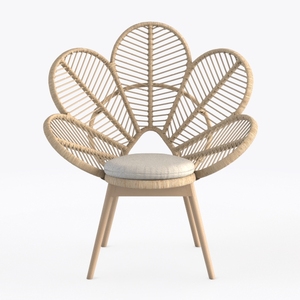
Bohemian Rattan Flower Shaped Accent Chair with Linen Cushion 3D Model

Eon Walnut Dining Side Chair
Discover the power of Homestyler for your home design projects! This user-friendly platform features an excellent online design tool, stunning 3D renderings, and a wealth of inspiring design projects and DIY video tutorials. Transform your vision into reality effortlessly!
Design Now for FREE
































