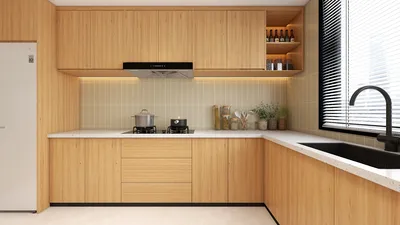


As we look ahead, contemporary households are managing the demands of remote working, elder care, and increasing utility expenses. This necessitates a thoughtful approach to space, especially in 2000 sq ft homes. Industry insights, such as those from NAHB, confirm a consistent demand for more efficient uses of space rather than larger homes. This is where the leading 2000 sq ft house floor plans, akin to a functional operating system, come into play. I approach home design as if the future is already present, interpreting living areas like initial coding for routines yet to be defined. Utilizing tools for spatial reasoning can enhance this process.
Core Loop Ranch: Split Social/Quiet
Design Concept: A single-story design protects bedrooms with a central great room, accommodating the needs of aging residents and those working remotely. The flow is structured from entry to mud/laundry area, leading into the great room, then to the kitchen hub, and branching into primary and secondary spaces. Sightlines are carefully designed with diagonal framing from the entryway to the backyard; the kitchen island acts as the primary interface, while private corridors are tactfully positioned off-axis. Storage solutions include a pantry along the perimeter wall, lockers in the mudroom, and deep linen closets that facilitate quick access. In terms of furniture, there is ample space (10-12 feet) in the great room for modular sectionals; clearances of 42 inches around the island and a 36-inch desk niche are aligned with desired dimensions. In conclusion, five years later, this design remains a stable foundation for families, adaptable without significant structural changes, a concept reminiscent of ‘ Homestyler’ methodology.
save pin
Courtyard Spine: Light as Protocol
Design Concept: A slender structure encircles a central private court, optimizing natural light as a key element for well-being and energy efficiency. The flow begins with a gate entrance, leading through a gallery spine into the court, transitioning to the living/kitchen areas, with bedroom wings flanking either side. Sightlines feature long glass panels that first reveal the courtyard, followed by layers of trees, sky, and indoor thresholds that resemble organized menus. Space-efficient storage is implemented with bench-toe kick drawers and wall-depth libraries, while tall kitchen units maintain a disciplined approach. The furniture includes slim-profile chairs and a 30-inch deep banquette, with selections that harmonize with the courtyard environment. The verdict? This plan fosters a tranquil atmosphere where daylight manages daily schedules, simplifying upkeep and maintenance as if they were mere background tasks.
save pin
Work-Ready L: Flex Without Friction
Design Concept: The L-shape design effectively separates a work-from-home studio from family living areas, anticipating trends like micro-entrepreneurship. The flow guides you from the porch to a pocket office, then into the great room, continuing to the kitchen, and making an L-turn toward the bedrooms, ensuring that deliveries do not interfere with play areas. Sightlines are controlled to frame the street without distracting views; the living area captures green edges rather than screens. Storage is designated for a project closet and a rolling file system, with pantry vertical dividers enhancing task management. The furniture arrangement allows for an 8x10 studio to accommodate both a standing desk and comfortable seating, with spatial clearances of 54 inches around the dining area to maintain movement. The ultimate takeaway is that this setup acts like a sandbox—safe, distinct, and easily adaptable as careers evolve.
save pin
Dual-Primary Stack: Multi-Gen Harmony
Design Concept: Two equal suites positioned at opposite ends of the house provide privacy for multiple generations without requiring a larger footprint. The flow takes you from the entry node to shared common areas leading to the left suite, while the right suite is accessible from a secondary hallway—establishing spatial equality through routing. Sightlines open up shared rooms along the longest axes, while the suites maintain shorter, controlled views for tranquility. Storage consists of a split laundry area, two coat closets, and bath towers, showcasing redundancy as a form of resilience. The furniture accommodates both queen and king beds with 36-inch pathways at the edges, ensuring that shared areas are appropriately scaled for diverse schedules. Over time, this design adapts responsively for guests, caregivers, and adult children alike—representing a future-proof social architecture.
save pin
Rear-Load Modern Farm: Service Lane Intel
Design Concept: By placing the garage and service entry at the rear, this design optimizes deliveries and utility management. The flow transitions from the front porch to the parlor, through an open kitchen/living area, and into the rear mud space leading to the garage, effectively keeping chores discreet. Sightlines from the front rooms maintain formal perspectives, with everyday life cleverly concealed, similar to a hidden menu. Storage solutions include a robust mudroom, a large pantry, and a broom closet, ensuring quick access and organization. In terms of furniture, a 10-foot farm table fits seamlessly into the design, with island seating appropriately spaced at 24 inches apart. The conclusion? The house embodies honesty and efficiency, where aesthetic appeal takes precedence over maintenance concerns.
save pin
Mid-Courtyard Town: Privacy in Density
Design Concept: Infill lots benefit from a mid-placed pocket courtyard that expands the center, capturing daylight even in densely populated areas. The flow guides through a street entry to a compressed hallway, leading into the courtyard and living cluster, with bedrooms situated on the north and south. Sightlines are optimized to focus on internal greenery, with windows strategically staggered to avoid direct views into neighboring properties. Storage solutions include under-stair compartments, tall wardrobes, and a narrow utility wall for cleaning equipment—demonstrating urban precision. The furniture includes a compact sectional, a 30-inch deep media wall, and petite tables, fitting well within tight spatial constraints. Overall, it operates much like a privacy algorithm, balancing the urban environment with a serene interior.
save pin
Gallery Bar + Bonus Loft
Design Concept: A long bar layout segregates living and sleeping areas, complemented by a lofted bonus space ideal for play, a studio, or fitness activities. The flow moves from the entry through the gallery axis into the living/kitchen area, with stairs leading up to the loft and out to the rear deck. Sightlines allow for an overview of common areas from the loft; the sequence of glazing creates a trail-like visual experience. Storage is maximized with a continuous millwork wall that functions as a cache, allowing for shallow display spaces and concealed bulk modules. The furniture arrangement permits layered seating with a 12-foot clearance in the living area, while the loft accommodates mats or easels within defined safety offsets. The verdict is clear—this design secures hobbies and side projects without necessitating an expanded footprint.
save pin
Split-Stack with Wet Core
Design Concept: The clustering of kitchens, bathrooms, and laundry areas as a wet core simplifies plumbing logistics and conserves energy. The flow transitions from the entry to the great room, pivoting to the core, and extending to a short hallway leading to the bedrooms, with service areas functioning as a nucleus. Sightlines maintain long views around the core, aligning doors like efficient toggles rather than distractions. Storage includes a tall pantry, utility towers, and pull-out cleaning compartments to enhance maintenance processes. In terms of furniture, 36-inch clearances are available around appliances, with a dining set appropriately scaled at 84 by 40 inches for easy movement. The conclusion here is clear: By lowering utility bills and minimizing leaks, this home design promotes a quieter, more efficient living experience over the years.
save pin
Front Flex + Rear Calm
Design Concept: A versatile front room accommodates guests, virtual meetings, and entertainment, while the rear zones provide a restorative space. The flow includes an entryway leading into a flexible area with a pocket door, progressing to the living/kitchen, then to rear bedrooms, and finally to the outdoor space. Sightlines are managed to maintain a controlled view of the street, while deep rear perspectives function as a low-stress user interface. Storage includes a foldable desk area, media wall cable troughs, and closet systems personalized for uniforms and essential gear. The furniture fits Murphy beds and acoustic panels alongside stools that neatly tuck under counters. Ultimately, this design protects nighttime rest while allowing for social interactions in the front.
save pin
Perimeter Porch Loop
Design Concept: The integration of a wrap-around porch and an interior loop promotes indoor-outdoor living, ideal for warmer climates. The flow moves from the porch through dual entries into the living/kitchen area, then through the loop hallway into the bedrooms, with numerous small routes providing access to outdoor spaces. Sightlines are constructed with porch columns coordinating views, while interior pathways align with shaded openings. Storage is designed for outdoor gear, excess pantry items, and seasonal closets, embracing a mindset of seasonal living. Furniture selections reflect a narrow rocker design, with adequate space for swinging and dining set-ups conducive to airflow patterns. Ultimately, this design transforms evenings into refreshing moments akin to software updates, where cool air resets the ambiance.
save pin
Compact T with True Mud
Design Concept: A T-shaped layout offers cross-ventilation and clear zoning, with an authentic mudroom that shields main living areas. The flow consists of an entry stem leading to the living spaces, connected to the kitchen area and side mudroom, then branching off to the bedrooms. Sightlines are visually appealing with extended views to the backyard, while the short stem effectively manages entry-related noise. Storage systems include boot trays, seasonal organization bins, and labeled vertical spaces—instilling a sense of order that mitigates clutter. Furniture should include a sofa measuring 9-10 feet along with an island featuring three stools, ensuring pathways remain unobstructed with dimensions of 30-36 inches. The final verdict? The T design embodies simplicity yet sophisticated functionality, with the continual dynamics of order and chaos managed like well-structured code.
save pin
## Final Takeaway
These premier 2000 sq ft house floor plans view square footage as bandwidth, emphasizing practical living instead of ostentation. They adapt to varying lifestyles—work, rest, care, and recreation. From split suites to wet cores, the plans demonstrate that a well-designed, appropriately sized home can surpass larger options in comfort and clarity. In essence, architecture serves as an interface, and floor plans reflect the organized habits of their inhabitants. Based on my observations, the most intelligent 2000-square-foot homes possess a timeless quality, propelled by intentional design choices, reminiscent of what one aims to achieve with tools like Homestyler.
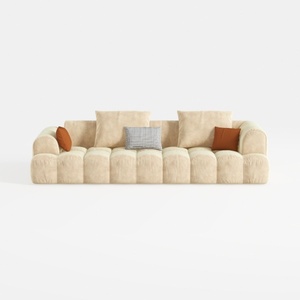

Minimalist Fabric Large Sofa With Decorative Throw Pillows 3D Model
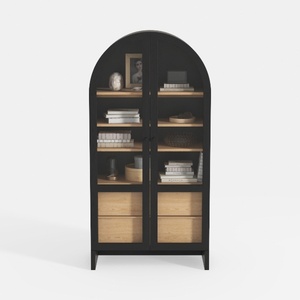
Modern Black Oak Arched Glass Display Cabinet 3D Model
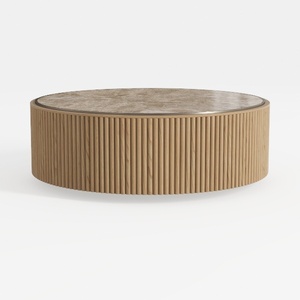
Modern Fluted Solid Wood Marble Top Round Coffee Table 3D Model
Discover your home's true potential with Homestyler! This user-friendly online design platform offers innovative tools for creating stunning 3D renderings, exploring diverse design projects, and accessing informative DIY video tutorials. Unleash your creativity and transform your space effortlessly!
Design Now for FREE
































