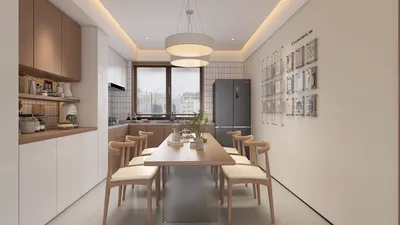


When designing a living room, I find myself drawn to flooring options that project understated confidence—characterized by clean lines, subtle textures, and a color palette conducive to daily life. Opting for straightforward tile arrangements doesn’t imply dullness; rather, it reflects a purposeful choice. The WELL Building Standard emphasizes that effective lighting and visual comfort can alleviate stress and enhance well-being, a concept that is equally applicable to flooring selections through glare mitigation, reflectance, and color balance (WELL v2). Additionally, research from Steelcase links simple visual environments with reduced cognitive strain, favoring uncomplicated tile designs and soft contrasts in living spaces (Steelcase Research). These insights play a crucial role in shaping the design concepts presented here, particularly when utilizing tools like Homestyler for visualization.
Durability is a fundamental factor in flooring selection. Per the NKBA, areas in homes subject to high foot traffic should have robust flooring options with strong wear capabilities and reliable slip resistance—crucial when children or pets are present (NKBA). Studies from Gensler consistently demonstrate that clear materials enhance perceived organization and navigation ease; I implement this principle at home with straightforward tile modules, minimal grout variance, and predictable pattern flows (Gensler Research). A simple design not only looks good at first glance but also ages gracefully over time.
Calm Neutrals Featuring Matte Porcelain
Opting for matte-finish porcelain in soft shades like gray, oatmeal, or warm taupe establishes a gentle foundation that reduces glare compared to glossy surfaces, especially beneficial when natural light streams in. I favor larger 24"×24" tiles for fewer grout lines and to maintain a serene visual grid. Keeping grout color close to the tile minimizes visual distractions. This method works harmoniously with textured rugs and layered lighting, achieving a well-balanced focal point.
Warm Wood-Look Tiles
Choosing wood-look porcelain grants the aesthetically pleasing warmth of timber while retaining the practicality of tile. A mid-range oak or ash design with delicate grain and plank sizes around 8"×36" is ideal. Arranging them in a straightforward running bond pattern facilitates a natural flow from entrance to seating areas. The matte finish controls reflections, enhancing visual comfort, a key aspect of the WELL standard. It’s a sustainable, low-maintenance choice that aligns well with the 2024–2025 trend towards biophilic design.
Minimalistic Large-Format Tiles
Using large tiles—30"×30" or 24"×48"—creates a tranquil atmosphere by diminishing visible joints. In compact living areas, fewer lines help the space feel larger. I suggest selecting neutral tones with minimal patterns and rectified edges for tight grout lines (around 2–3 mm). A symmetrical layout is essential to prevent the visual drift that can be noticed from a couch or entertainment wall.
Subtle Patterns: Terrazzo Inspirations
Fine-chip terrazzo-style porcelain adds a speckled texture that remains visually light. A micro-aggregate design in soft gray or bone color is optimal. This micro-pattern effectively camouflages dust compared to solid tiles and is versatile enough to coordinate well with various upholstery. Maintain a continuous tile field and use rugs to delineate spaces instead of mixing different flooring materials.
Classic Straight Set Patterns
The classic straight-set layout offers a rhythmic balance that complements furniture arrangements. In living rooms with prominent axial walls, this grid promotes uniformity. For rooms that are not perfectly rectangular or have angled entries, I establish a primary alignment from the longest wall and align the grid accordingly. To visualize furniture placement before making decisions, I find it helpful to utilize a room layout tool, including options like Homestyler.
Soft Contrast with Harmonious Pairings
Rather than opting for bold patterns, consider using adjacent shades—a warm greige paired with a cool light gray in large tiles. Alternating rows keeps the design engaging without disruption. Keeping the contrast below 30% in brightness helps avoid overwhelming visual flicker in bright environments. This approach fosters a relaxed, homey ambiance, steering clear of design fatigue.
Simplified Herringbone Patterns
For clients who prefer patterns, a delicate herringbone design using long wood-look tiles is an excellent choice. Use a single matte color with tight grout lines. Surrounding the perimeter with straight-set tiles creates a clean edge and eases wall cuts. This design adds movement while staying in harmony due to the understated colors and finishes.
Rug-Friendly Zoning Techniques
Simple tile floors can be beautifully enhanced with rugs. I prefer to size the main rug so its front edge coincides with a natural tile joint to avoid awkward half-cuts. Light tile colors create a soft contrast with the rug while ensuring the edges don’t appear harsh. The goal here is to create a hierarchy: the floor serves as a canvas, the rug as a decorative accent, and the furniture as the focal point.
Enhancing Acoustics and Comfort
Tiles can create echoes, so I balance the acoustics in living spaces with plush furnishings like curtains, upholstered seating, and area rugs layered over felt pads. In open layouts, placing a thick rug in the conversation area helps to absorb sound. Transitioning smoothly to other materials, such as wood in nearby hallways, is crucial to avoid stubbed toes and ensure fluid movement.
SLip Resistance and Easy Maintenance
In living rooms that connect to outdoor areas or might experience occasional spills, selecting tiles with dependable slip ratings and slight textures iswise. Matte porcelain typically offers ease of cleaning; steer clear of deeply pitted textures that gather dirt. Light to medium tones disguise daily dust better than very dark tiles, which tend to highlight lint and pet hair quickly.
Understanding Color Psychology for Everyday Comfort
Floors in very light tones can feel airy but might also appear cold; warm neutrals promote a sense of comfort and intimacy. Discussions surrounding color psychology reveal that gentle warm hues encourage relaxation, while stark high-contrast patterns can heighten visual tension—less desirable for a soothing environment (Verywell Mind, color psychology). I favor living rooms adorned in serene tones: warm grays, soft beiges, and desaturated earth colors.
Edges, Transitions, and Threshold Planning
To ensure a polished appearance at doorways, use either matching or slim metal trims. Aligning thresholds with tile joints wherever feasible creates a seamless look, and careful planning of tile cuts around built-ins can enhance the overall design. A cohesive floor that spans living, dining, and hallway areas not only makes spaces feel larger but also simplifies upkeep.
Lighting as the Finishing Touch
The sheen of flooring interacts significantly with light. In spaces receiving abundant sunlight, matte tiles can help minimize glare. Conversely, in dim areas, a satin finish can enhance illumination slightly without becoming overly shiny. I layer ambient lighting with dimmable options and aim to maintain a color temperature between 2700–3000K to promote evening relaxation, adhering to the best practices for residential lighting and WELL guidelines regarding circadian-friendly lighting.
Tile Combinations to Experiment With
- Matte porcelain, 24"×24", warm gray, straight-set grid
- Wood-look porcelain, 8"×36", running bond, soft oak tone
- Micro-terrazzo porcelain, 24"×24", pale bone, minimal grout contrast
- Large-format neutral, 24"×48", rectified edges, tight joints
Frequently Asked Questions
Using large-format tiles like 24"×24" or 24"×48" reduces the number of grout lines, resulting in a more serene appearance that visually enlarges smaller rooms.
Absolutely. Matte finishes diffuse reflection and lessen glare from various light sources, enhancing visual comfort in line with WELL v2 standards.
It’s best to match the grout color to be within one shade of the tile. Low contrast results in a subtle pattern, avoiding an overly prominent checkerboard effect.
Not if kept understated: using a single color with a matte finish and a border of straight-set tiles around the edges allows for movement without visual chaos.
Matte porcelain with slight texture for reliable slip resistance and resilience against scratches. Medium-toned floors conceal pet fur and dust more efficiently than darker options.
Begin with a reference line from the longest wall, ensure cuts align with important thresholds, and simulate furniture arrangements using a layout planner like Homestyler.
Certainly. Wood-look tiles in mid-tones such as oak featuring subtle grains work wonderfully. Pair with warm lighting (2700–3000K) and textured rugs to enhance comfort.
Tiles can contribute to sound reflection. Dispersing this with area rugs, upholstered seating, and window treatments can minimize noise in open concept living areas.
Selecting tiles with assured slip ratings and a light texture is vital, especially for living areas that lead out to patios or kitchens.
Dark floors quickly showcase dust and lint. Medium-light neutrals are generally easier to maintain and impart a more serene atmosphere.
Definitely. Utilizing adjacent colors with low contrast (below roughly 30% in lightness) alongside larger modules maintains a soft, cohesive look.
Combining ambient lighting with dimmable options set at 2700–3000K complements matte or satin tiles and encourages evening relaxation.

Looking to design your dream home? Homestyler is your go-to online platform! Its user-friendly design tool, stunning 3D renderings, diverse design projects, and helpful video tutorials make it easy and inspiring to bring your vision to life, regardless of your experience level.
Desain sekarang Gratis
































