

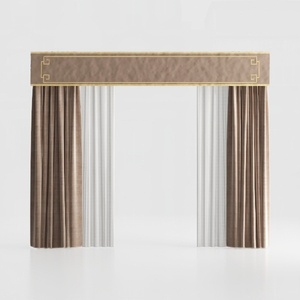
Brown curtains exude a subtle elegance and gravitas. They provide a foundation for a living room, add a sense of coziness, and allow natural light to filter in without overwhelming the aesthetic. In my projects, selecting the ideal shade and fabric can dramatically enhance a space in just a few hours, particularly in areas featuring a mix of wood tones or layered neutral colors. The adaptability of brown complements various design styles, from mid-century walnut to sleek contemporary taupe. This adaptability is important, as studies by Steelcase reveal that warmth and visual consistency greatly impact perceived comfort, influencing how long individuals are inclined to stay and interact within a space. Furthermore, the WELL v2 guidelines emphasize the significance of managing glare and achieving balanced lighting, both of which are easily accomplished using well-chosen curtains that control light flow rather than blocking it completely. Incorporating a tool like Homestyler can really help visualize these design choices.
The factors of color temperature and light intensity are just as crucial as the actual color. The Illuminating Engineering Society suggests managing the luminance ratios to minimize glare and visual fatigue; pairing rich brown drapes with airy layers can help maintain daylight within a comfortable range while gently softening contrast at the window. From a psychological perspective, Verywell Mind points out that brown often signifies reliability, stability, and groundedness—qualities that facilitate relaxation and social bonding in living spaces. A textured chocolate or coffee hue can effectively reduce visual distractions, particularly when the room is bright or features high contrast.
Evaluate Your Room’s Lighting and Color Scheme First
The amount of natural light available determines the choice of fabric weight and transparency. Rooms facing south with plenty of sunshine typically benefit from lined, medium-weight curtains in warm brown tones, helping to preserve color and prevent fading while controlling glare. Conversely, north-facing spaces tend to be cooler, so opting for a lighter mocha or camel fabric offers warmth without compromising light intake. Pay attention to color temperature: using 2700K warm LED lights will make deeper browns feel cozier; in contrast, cooler 3000–3500K lights blend better with gray-brown or taupe fabrics to evade a dull outcome. For layouts with numerous windows or compact seating arrangements, tools like layout planners assist in visualizing panel sizes and their effects on furniture positioning.
Choose the Ideal Shade of Brown
Brown presents a spectrum of options: from deep and cool walnut to dark and neutral espresso, rich chocolate, warm coffee tones, gray-brown taupe, and light, warm camel. It's essential to align the undertones with nearby finishes—dark walnut floors harmonize with espresso or walnut curtains, whereas honey oak and brass details pair beautifully with chocolate or coffee shades; cooler tones like taupe suit concrete and matte black accents. If your wall color leans greige, taupe curtains can create a cohesive yet vibrant look without flattening the vertical space. In compact areas, mid-tones help maintain an open feel, while in larger, brighter settings, deeper shades can provide architectural depth.
Consider Fabric Properties: Texture, Weight, and Drape
The texture of the fabric plays a pivotal role in perception. Linen-blend brown curtains evoke a light and airy feeling, while velvets contribute a sense of luxury and help absorb sound. Sturdy cotton or polyester blends deliver sharp lines and are low-maintenance. Heavier materials can diminish sound echo, which is particularly beneficial in open-plan living arrangements with hard floors. For movie nights, considering interlining with a blackout layer can effectively manage glare, while leaving a sheer layer for daytime use. Weighted hems are also preferable, as they improve the drape's fall and minimize billowing. For those conscious of sustainability, look for OEKO-TEX certified fabrics or recycled polyester blends and opt for natural materials that promote breathability.
Light Management: Layer Sheers and Liners
Optimal daylight management allows for fine-tuning. I frequently implement dual tracks: a sheer in oat or warm ivory to mitigate harsh sunlight and a primary brown curtain for added privacy during the evening. This layered strategy helps achieve a circadian-friendly balance between daytime brightness and nighttime darkness recommended by WELL v2, while simultaneously safeguarding furniture from UV damage. If you cherish late-afternoon sunlight but dislike glare on screens, a mid-tone brown with a dim-out liner can provide the perfect compromise.
Proportions, Pleats, and Curtain Hardware
Proportion is key to making curtains appear custom-fitted. Mounting rods 4–6 inches above the window visually elevates the ceiling, extending 8–12 inches beyond the window's edge ensures panels stack off the glass. The fullness for pleated headers should be between 1.8–2.2 times the window width; for grommet styles, 1.5–2 times will suffice. Ripplefold tracks create a sleek, continuous wave perfect for taupe or espresso styles. The finish of your hardware should reflect the existing metal accents in the space: use oil-rubbed bronze with coffee or chocolate tones, matte black with walnut or taupe, and antique brass with camel shades. Consistency in rings and hooks will prevent visual clutter as well.
Harmonizing Brown with the Room’s Color Palette
Brown works well with complementary tones: pair it with creams, terracotta, soft blues, deep greens, and brushed brass accents. An effective strategy is to follow a 60/30/10 ratio—60% neutral base (e.g., walls or large furniture), 30% secondary colors (like rugs or curtains), and 10% accent elements (art or throw pillows). If your sofa is gray, taupe curtains can tie together the warm and cool colors; for leather sofas, opt for a darker shade in the drapes to avoid an overly uniform appearance. Choosing a patterned rug with earthy hues can also prevent solid brown panels from appearing too heavy.
Enhancing Acoustic and Thermal Comfort
Beyond aesthetics, curtains serve functional purposes. Dense materials can muffle sound in open living rooms, enhancing clarity in conversations. In regions experiencing temperature fluctuations, lined brown curtains boost insulation, minimizing heat loss during chilly nights and excessive heat during sunny afternoons. This is particularly advantageous for expansive glass areas common in modern homes.
Stylish Combinations: From Modern to Transitional
Contemporary spaces call for espresso or taupe fabrics with ripplefolds and minimal hardware for a clean look. Mid-century designs benefit from walnut panels with pinch pleats and warm wood finishes, complemented by matte black or brass fixtures. In transitional spaces, chocolate velvet with tasteful trim and layered sheers adds a tailored touch. For rustic or bohemian styles, camel linen-blend curtains with textured weaves, bronze rods, and natural fiber shades are ideal. The curtains' style should reflect the dominant materials in the room for a seamless design.
Maintenance Tips for Longevity
Sunlight can fade fabrics over time, hence lining is key. Regularly vacuum with a soft brush, spot clean immediately when necessary, and launder or dry clean according to the fabric requirements. Rotate the panels with the seasons if one side receives more sunlight, and contemplate the use of UV-protective window films behind sheer fabrics for areas exposed to intense sunlight.
Arranging Considerations
Carefully plan stack-back to ensure curtains don’t obstruct seating or artworks. In confined spaces, opt for return brackets and slender rods. For wide sliding doors, split-draw panels offer visual balance and easier operation. If you need to simulate how different panel widths influence movement and viewing angles, an interior layout planner can quickly show the impact on furniture placement, glare sources, and drape stacking in a matter of minutes.
Quick Selection Guide
• Lighting: south-facing? Choose lined, medium-weight curtains; north-facing? Opt for lighter camel or taupe options. • Color Palette: Align tones with wood or metal finishes. • Functionality: Add sheer layers for the day, blackout options for movie nights. • Style Preference: Use pleats for a classical look, ripplefold for a modern vibe. • Care: Select durable blends, especially for high-sun areas.
Authoritative Sources
For effective comfort and daylight management strategies, I often rely on the WELL v2 framework for visual comfort and circadian rhythm considerations, along with IES guidelines for glare control and managing luminance ratios. These resources align with how layered brown curtains can skillfully modulate light while establishing a pleasing atmosphere in a room.
Frequently Asked Questions
Q1: Do brown curtains make a living room feel smaller?
A: Without proper balance, darker browns can visually compress a space. Opt for lighter walls, use mid-tone browns, mount rods higher, and extend stack-back beyond the window to keep the area feeling open.
Q2: Which brown shade pairs best with gray sofas?
A: Taupe or gray-brown shades harmonize well with cool gray tones, bridging warm and cool aspects. Incorporate warm accents—like brass or terracotta—to avoid a chillier ambiance.
Q3: How can I counter glare while maintaining daylight?
A: Layer a warm ivory sheer behind medium-to-dark brown panels. Sheers soften light and decrease contrast per IES recommendations, while the primary drapery provides privacy in the evening.
Q4: Are velvet brown curtains suitable for daily use in living rooms?
A: Certainly, especially in cooler climates or spaces prone to echoes. Velvet adds warmth and softens sound. Look for performance fabrics that resist staining for family settings.
Q5: What should my curtain fullness be?
A: For pleated headers, aim for 1.8–2.2 times the width of the window, while 1.5–2 times works for grommet styles. This assures a rich look with proper hanging.
Q6: Do brown curtains complement white walls?
A: Absolutely, brown offers a depth contrast against white. Consider camel or coffee shades for warmth or espresso for striking contrast. Relate the color back to wood tones or frames for intentional design.
Q7: What is the ideal height for mounting curtain rods?
A: Typically, rods should be placed 4–6 inches above the window, or near the ceiling in low-ceiling rooms, to elongate the overall height. Ensure you extend them 8–12 inches past the window for better stack-back.
Q8: What about sustainability options?
A: Seek OEKO-TEX certified materials, recycled polyester blends, or natural fabrics like linen. Using durable linings can enhance longevity and cut down on replacement needs.
Q9: Can brown curtains influence mood?
A: Yes, brown is often associated with groundedness and stability in color psychology. In living areas, it promotes relaxation and social interaction, especially coupled with warm lighting.
Q10: What strategies help prevent fabric fading?
A: Utilize quality linings, rotate your curtains seasonally, and consider UV filter films. Avoid placing sharply colored fabrics in direct sunlight.


Homestyler is your go-to platform for transforming home design dreams into reality. With its easy-to-use online design tool, stunning 3D renderings, inspiring design projects, and helpful video tutorials, you can effortlessly create, visualize, and elevate your space—all from the comfort of home!
Design Now for FREE
































