

Oval meeting tables offer a unique combination of spatial softness and effective functionality ideal for contemporary work environments. I prefer using them when a team requires equal visibility, improved movement, and a more inviting atmosphere compared to traditional rectangular tables. According to Gensler’s U.S. Workplace Survey, face-to-face interactions are one of the main factors driving performance, highlighting the importance of table shape in enhancing visibility and involvement. The WELL v2 guidelines also emphasize the significance of visual connection and acoustic comfort in boosting cognitive performance, reinforcing the idea that design and environment work cohesively to facilitate more effective meetings.
In practice, I base sightline distances and clearances on empirical data. Research from Steelcase indicates that close proximity and unobstructed lines of sight promote greater engagement; the oval shape diminishes corner bias, allowing for more balanced seating arrangements. I adhere to the Illuminating Engineering Society (IES) recommendations of 300–500 lux for conference lighting to reduce visual strain and complement it with a warm-neutral color temperature of 2700–3500K to ensure flattering skin tones and readable notes. Verywell Mind’s studies on color psychology advocate for the use of muted blues or blue-greens around the table to foster a calm focus while maintaining energy levels.
When considering oval versus rectangular shapes, I prioritize behavior. Rectangular tables are prone to establishing power dynamics at their ends, whereas oval tables soften hierarchical structures, encourage eye contact, and alleviate territorial issues. In cross-functional teams, an oval table fosters equality and accelerates decision-making. If your meeting format relies heavily on presentations, a slightly elongated oval, with the display centered along the longer axis, helps maintain focus on the presenter while ensuring fair seating.
Right-sizing the oval table is crucial for accessibility and comfort. Allocate 24–30 inches (610–760 mm) of table edge per person for laptops and notetaking, and aim for 36–42 inches (915–1065 mm) of circulation space around the table. For medium-sized rooms (14 ft × 20 ft / 4.3 m × 6.1 m), a 10–12 ft (3.0–3.7 m) oval comfortably accommodates 8–10 participants. To ensure ample knee space, consider a pedestal or T-base design to enhance footroom compared to multiple-leg setups. I reference WELL v2’s ergonomics framework to promote neutral seated postures—ensuring foot support, elbow angles around 90–110°, and screen heights aligned with eye level for those using in-table mounts.
For lighting above an oval table, a linear or clustered pendant fixture should align with the table's long axis to avoid light hotspots. I maintain task lighting levels around 300–500 lux as per IES standards and minimize glare by selecting diffusers with a UGR less than 19 when possible. A color temperature of 2700–3500K strikes a balance between warmth and clarity; while 4000K may suit tech-oriented spaces, it's vital to check skin tone accuracy and camera quality for recorded meetings. Incorporating dimming features and multiple light layers—such as pendants and perimeter wall washers—allows for a customizable ambiance suitable for both workshops and presentations.
Ovals effectively decrease echo across the room compared to sharp rectangular reflections, but the materials used also play a vital role. Pair the table with mineral-fiber ceiling tiles (NRC ~0.70), cushioned seating, and trench acoustic panels to enhance speech clarity. A matte finish on the table or linoleum surface reduces noise; rounded edge profiles enhance comfort for forearms. If the room also serves as a video conferencing space, I recommend placing boundary microphones along the long axis and adding a fabric-wrapped acoustic baffle behind the main display to diminish flutter echoes.
Integrated power outlets should be positioned along the centerline, allowing cables to drop vertically into a trough beneath the table. I suggest placing one module for every two seats for laptops, and a shared USB-C hub for every three seats. To maintain a tidy appearance, center the camera on the long axis and elevate it to a height of 48–52 inches (122–132 cm) for optimal eye-level framing. For hybrid teams, an oval table helps ensure remote attendees remain visible; it’s best to avoid tall centerpieces and large monitors that could obstruct sightlines.
Color influences behavior in subtle ways. Research from Verywell Mind indicates that cool colors can enhance focus, while muted greens help alleviate stress. I opt for a neutral table surface—like warm gray or natural oak—and contrast it with desaturated blue walls or fabrics. The oval shape inherently softens the space's rhythm; ensuring visual balance with a long pendant light centered and artwork aligned along the long axis directs attention without overwhelming the space.
For compact spaces, consider a narrower oval with asymmetrical seating to avoid congestion. In training or workshop environments, position the oval so that the long axis faces the display and place additional whiteboards at the short ends to facilitate smooth movement. If experimenting with multiple configurations, using a layout simulation tool can help visualize the flow and camera angles before making a purchase. Try utilizing an interior layout planner like Homestyler to test clearances and visual lines.
Chairs should accommodate varying postures over the duration of 60–90 minute meetings. Look for adjustable lumbar support, seat depth, and arm height; it's important to cater to users across the 5th to 95th percentile for body dimensions. Armrests should be low enough to slide under the table edge without hindering movement. I recommend setting seat heights to achieve knee angles around 100°, with full support for the feet; the rounded edge of the oval design prevents pressure points during longer meetings.
Opt for FSC-certified veneers, low-VOC finishes, and durable laminates for spaces with heavy traffic. Reconfigurable pedestal bases can extend a table’s lifespan by allowing for adjustments as team size changes. If fabric is used, select materials that are bleach-cleanable or solution-dyed to withstand wear in multifunctional settings. A lighter color scheme with a matte finish improves the perception of cleanliness and reduces glare.
Small design choices can significantly enhance meeting experiences. A tapered oval edge boosts comfort for elbows; concealed cable doors help reduce visual clutter. Incorporate a narrow center runner for pens and notepads, pairing textured wood grains with smooth powder-coated bases for added depth. To maintain visual rhythm and ensure even lighting, consider clustering multiple narrow fixtures along the table's axis if a single pendant feels inadequate.
For data-driven insights on collaboration and spatial performance, referring to Gensler’s research is invaluable. To optimize lighting standards and control glare, consulting IES guidelines is advisable.
Q1: What is the seating capacity of an oval table? A1: Allow for 24–30 inches of edge space per person. Typically, a 10–12 ft oval comfortably seats 8–10 individuals while ensuring adequate room for elbows and devices.
Q2: What are the recommended lighting levels for above an oval table? A2: Aim for task lighting around 300–500 lux according to IES recommendations, including dimming options for varying meeting formats. Minimize glare using diffusers with UGR < 19 when feasible.
Q3: Do oval tables enhance collaboration compared to rectangular ones? A3: Yes, oval shapes diminish corner dominance and maintain equitable sightlines, fostering participation—particularly beneficial for cross-functional teams and roundtable discussions.
Q4: How can I arrange power outlets without creating clutter? A4: Align power grommets along the centerline for every two seats, channel cables into an under-table trough, and utilize flush covers to keep the surface clear.
Q5: What chair features are essential for comfort during meetings? A5: Key features include adjustable lumbar support, seat depth, and arm height. Ensure armrests can slide beneath the table edge without hitting the apron, maintaining an optimal seat height for neutral knee angles.
Q6: Which materials help reduce noise and echoes in the space? A6: Table surfaces with a matte finish, upholstered seats, and NRC ~0.70 ceiling tiles are effective; adding perimeter acoustic panels and a fabric baffle near displays further enhances speech clarity.
Q7: What color palettes are most effective around an oval table? A7: Using neutral tops with muted blues or greens can promote calm focus; these cooler tones are linked to improved concentration according to color psychology research.
Q8: How do I size the table for a medium meeting area? A8: In a room measuring 14 × 20 ft, a 10–12 ft oval is ideal, ensuring 36–42 inches of circulation space around the table for comfortable movement.
Q9: Is a pedestal base preferred over traditional legs? A9: Yes, a pedestal or T-base allows for better foot and knee clearance while simplifying cable management, which is particularly useful in densely seated rooms.
Q10: How should I position screens and cameras? A10: Center both along the long axis of the table. Mount the camera at eye level (approximately 48–52 inches) to ensure natural sightlines during hybrid gatherings.
Q11: Can an oval table be effective in smaller rooms? A11: Absolutely—select a slimmer profile, consider slightly offset seating, and utilize a room layout tool like Homestyler before finalizing configurations.
Q12: What sustainable materials should I choose for the table? A12: Opt for FSC-certified wood, low-VOC finishes, and durable laminates; incorporating reconfigurable bases helps prolong the table's lifespan and decrease waste.


Modern Fabric Upholstered Armchair With Metal Legs 3D Model
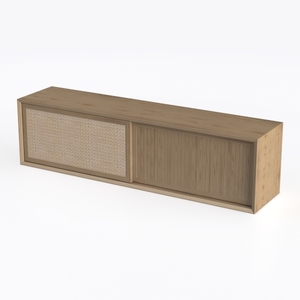
Minimalist Oak Rattan TV Cabinet 3D Model
Homestyler is an exceptional online platform for home design enthusiasts. With its user-friendly design tool, stunning 3D renderings, and a wealth of DIY video tutorials, you can effortlessly create your dream space and explore endless design possibilities. Transform your home with Homestyler today!
Zaprojektuj teraz za darmo
































