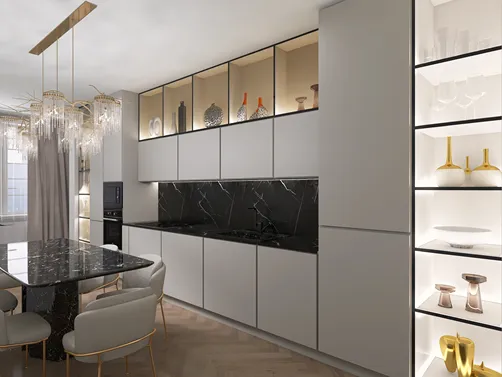
In my extensive experience designing dining rooms, I have discovered that low-back dining chairs effectively address multiple issues simultaneously, including space optimization, unobstructed sightlines, and aesthetic appeal. In smaller homes and open layouts, the lower profile of these chairs contributes to a visually serene environment while enhancing movement throughout the space. This choice is not merely a matter of style; it is informed by human factors. Research by Herman Miller highlights that the height of the seat and lumbar support significantly impact comfort levels during typical dining durations of 20 to 45 minutes, whether at home or in restaurants. Additionally, Steelcase's studies indicate that allowing micro-movements in seating can minimize fatigue and improve attentiveness, making lightweight, flexible chairs an excellent choice for everyday dining scenarios. Incorporating tools like Homestyler can assist in visualizing such arrangements, ensuring both functionality and style.
Equally important to the comfort provided by these chairs are the lighting and acoustic qualities of the environment. The Illuminating Engineering Society (IES) advises that dining spaces should have an ambient light level of 10 to 20 foot-candles, with task lighting at the table achieving 30 to 40 foot-candles for optimal visibility, all while minimizing glare on chair backs and dining surfaces. The WELL v2 guidelines further endorse the control of glare and focus on color rendering to enhance the well-being of residents, reinforcing the idea of a harmonious lighting setup that works well with low-back furniture. For deeper insights into enhancing comfort in such spaces, Herman Miller offers valuable resources surrounding ergonomics.
Understanding Why Low-Back Dining Chairs Are Effective
Low-back chairs help reduce visual bulk, allowing for cabinetry, artwork, and windows to become focal points. In open-layout living areas, high-backed chair options may create a blocking effect; however, low-back varieties maintain clear sightlines toward kitchens or outdoor spaces. My key considerations when selecting these chairs include an ergonomic curve that supports the lower spine, a well-proportioned seat pan angle, and a back height that aligns just below the mid-scapula. This combination promotes good posture without overwhelming the space, making it ideal for daily dining rather than extended gatherings.
Ergonomic Considerations: Height, Angle, and Support
The typical ideal height for comfortable dining chairs falls between 17 and 19 inches from the ground, paired with table heights ranging from 28 to 30 inches. This height relationship promotes a neutral elbow angle of roughly 90 degrees for most adults. Chair seat pans should feature a slight posterior tilt of 3 to 5 degrees, which alleviates pressure during extended meals. I prefer designs with gentle waterfall fronts over ones with sharp edges, as these ensure comfort and circulation. For gatherings extending beyond 90 minutes, selecting low-back chairs that include subtle lumbar support or flexible back shells can be beneficial, aligning with workplace research on active seating.
Visual Cohesion and Spatial Dynamics
In compact dining settings, creating a pleasing visual rhythm is critical, often more so than the actual square footage involved. Arranging low-back silhouettes around a round or oval table enhances lightness and dynamics of the space. I typically aim for a minimum of 36 inches for the path around the table; in tighter areas, 30 inches may suffice with armless low-back options. To maintain visual balance, ensure there is at least 8 to 12 inches between chair backs and nearby walls or furniture. This spacing cultivates comfort while preventing damage and upholding the airy aesthetic that low-back designs promise.
Optimal Layout Strategies for Small and Open Areas
While low-back chairs contribute significantly to space efficiency, the overall layout plays a pivotal role in flow and functionality. Utilizing a banquette alongside low-back side chairs in smaller rooms expands seating options without adding bulk, and armless versions can fit snugly against the table edge. If you are working on furniture placements or chair counts, employing a room layout tool such as Homestyler can assist in visualizing spatial arrangements and lighting dynamics prior to finalizing decisions.
Considerations in Material Selection and Sustainability
The choice of materials influences both the comfort and durability of dining chairs. I prefer structured upholstery combined with medium-density foam for reasonable lumbar support or molded plywood with a flexible back design. For hosts who frequently entertain, utilizing performance textiles that resist stains can add convenience; additionally, choosing wood types with a closed grain (such as beech or maple) enhances durability in high-traffic households. To achieve a lighter visual impact, select matte or low-sheen finishes that help minimize glare under pendant lighting. Opting for frames made from recycled materials and utilizing FSC-certified woods further reduces environmental impact; moreover, powder-coated metal remains both sleek and stable in humid regions.
The Influence of Color at the Dining Table
Color has a profound effect on both appetite and mood. Warm neutrals like sand, oatmeal, and clay create a welcoming atmosphere, while subdued greens calm the surrounding environment. While intense reds may stimulate energy conducive to lively interactions, they can overwhelm smaller dining rooms. In my projects, I find that soft terracotta or desaturated teal upholstery on low-back chairs strikes an ideal balance, providing a touch of character that anchors the space without overpowering adjacent areas.
Lighting and Acoustic Comfort Enhancements
Effective lighting significantly contributes to comfort and creates a sense of spaciousness. I recommend that the bottoms of pendant lights hang approximately 28 to 34 inches above dining tables, ensuring pleasant sightlines past low-back chairs; utilizing dimmers and a variety of light sources can help soften stark contrasts. Enhancing acoustic comfort can be achieved by adding a textile runner, upholstered seating, and plush rugs that dampen sound—these are simple adjustments that improve the overall dining experience. For dining areas within echo-prone open spaces, integrating fabric-covered acoustic panels or soft drapery near hard surfaces can greatly enhance acoustic comfort, allowing for more enjoyable dining experiences.
When Low-Back Solutions May Fall Short
Some households may require additional support when it comes to seating. If family members desire more back contact, opting for low-back chairs with a gentle wrap or slightly taller mid-back designs sitting at 12 to 14 inches above the seat can be ideal. For longer dining sessions, a supportive shell with flex zones delivers comfort without adding excessive visual weight. By mixing two styles of low-back chairs—fully upholstered versions on the long sides with lighter open-back designs on the ends—one can achieve a cohesive appearance while customizing comfort needs.
Styling Techniques for Coordinated Dining Spaces
Pair low-back chairs with visually light elements such as pedestal tables, open-legged consoles, and slender buffets. Consistency in chair leg styles—either all tapered wood or powder-coated metal—is essential for visual rhythm. In compact areas, avoid exceeding table height with chair backs, ensuring the table remains the focal point of the setting with chairs supporting the overall design. Incorporating a kilim or flatweave rug allows for easy movement and low friction beneath the feet, and coordinating pendant finishes with chair hardware enhances the room's cohesiveness.
How to Ensure Maintenance and Longevity of Dining Chairs
Regular care is crucial for prolonging the lifespan of dining chairs. Weekly vacuuming of upholstery, prompt spot cleaning, and rotating chairs every few months help maintain even wear. When it comes to wood, using gentle pH-neutral cleaners preserves finishes while steering clear of silicone products that create excess build-up and glare. Additionally, changing out floor glides each year in high-use homes can prevent wear and tear from scraping.
Frequently Asked Questions
The recommended seat height is around 17 to 19 inches, paired with a table height of 28 to 30 inches to sustain neutral posture and comfortable elbow angles for average adults.
Yes, provided that they offer a supportive seat pan and a slight lumbar curve. For meals lasting 90 minutes, select designs with flexible back shells or light lumbar cushions for optimal comfort.
For a 42-inch round table, fitting four low-back armless chairs is comfortable with a circulation path of 30 to 36 inches; five chairs may feel cramped unless the room permits more spacing.
They are a perfect fit. The lower silhouette avoids creating visual barriers, preserving sightlines toward living spaces and kitchens.
Performance fabrics that resist staining and achieve a minimum of 30,000 double rubs effectively stand up to daily usage. Molded plywood backs that feature breathable finishes also ensure lasting comfort.
Maintain the lower edges of light fixtures at 28 to 34 inches above the table to reduce glare and uphold pleasant sightlines over low-back chair backs.
Warm neutral colors, combined with muted greens, enhance a calming atmosphere, while vibrant reds can infuse energy into gatherings. Striking a balance with color is important to avoid overwhelming smaller areas.
Allow for 36 inches of space to facilitate comfortable movement; in tighter spaces, consider a minimum of 30 inches, especially with armless low-back chairs.
To enhance acoustic comfort, layer textiles by incorporating upholstered seating, dense-pile rugs, runners, and soft window treatments; this approach effectively absorbs sound reflections.
Absolutely—lighter chairs are simpler to move, and armless variants lessen the risk of snagging or tipping during everyday use.
What began as an Autodesk innovation has evolved into a design platform used by more than 20+ million registered users (platform data, 2026) around the globe. Homestyler combines powerful rendering, an intuitive editor, and a vast furniture library to help you turn inspiration into photorealistic designs — whether you're redesigning a single room or planning an entire home.
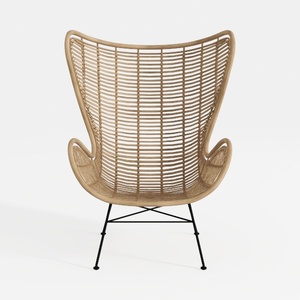
Bohemian Rattan Woven High Back Wingback Armchair 3D Model

Minimalist Velvet Solid Wood Dining Chair 3D Model
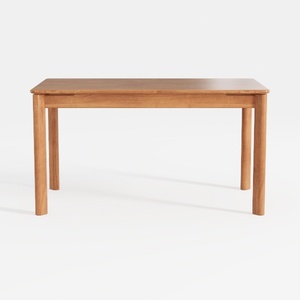

Minimalist Solid Oak Wood Dining Table 3D Model
Homestyler is an outstanding online home design platform perfect for turning your vision into reality. With a user-friendly design tool, stunning 3D renderings, an array of design projects, and informative video tutorials, it empowers you to create your dream space effortlessly. Dive in and start designing today!
Concevez maintenant gratuitement










![[For my dearest Sabrinik 🧡]](https://hs-designs.homestyler.com/production/design/images/3f463715-5ed6-4c49-9346-16d464510aa6/1714085722568.jpg?x-oss-process=image/resize,w_502,m_mfit/format,webp)