

Having explored numerous assembly spaces, ranging from modern council chambers to traditional longhouses, I find the Assembly Hall of Mohenjo Daro fits seamlessly into this lineage, showcasing exceptional civic engineering. Nestled within the urban layout of the Indus Valley city, dating back to circa 2500–1900 BCE, this hall exemplifies advanced planning through its orthogonal design, standardized brick construction, and spatial harmony that fostered gathering, discussion, and ceremonial activities. The Indus cities employed uniformly baked bricks with specific ratios, indicating construction standards and quality assurance that produced durable and repeatable structures.
Analyzing human comfort through modern metrics further highlights the intricacies of the builders' selections. Contemporary standards establish performance benchmarks that ancient builders might not have labeled but evidently grasped through meticulous craftsmanship. For instance, the WELL v2 guidelines suggest keeping background noise levels under 40 dBA for concentration areas, while larger halls typically aim for controlled reverberation of 1.2 to 1.8 seconds to enhance speech clarity. Research in similar ancient masonry environments reveals that mass walls, adjacent courtyards, and surrounding colonnades effectively manage acoustics and temperature through thermal dynamics and airflow, providing contemporary parallels to occupant comfort targets as outlined by WELL v2.
Urban historians frequently draw parallels between the urban design of the Indus Valley and later orthogonal cities in terms of population density, walkability, and service allocation. Insights from Steelcase suggest that the physical environment correlates with user behavior; their studies indicate that spatial choices and autonomy can lead to increased engagement and productivity in work settings. The Assembly Hall’s multi-layered entry points, such as the plinth, stairs, and access bays, offered people an opportunity to adjust their level of proximity and visibility—an enduring behavioral aspect that facilitates consensus formation. Thus, Steelcase's research on spatial choice is particularly relevant in this context.
Architectural Typology and Layout Logic
The hall presents as a rectangular space elevated on a platform, likely featuring perimeter columns or thick structural walls, meticulously arranged for entry. The spatial proportions, governed by the widths and heights derived from brick lengths and timber supports, create a visually appealing rhythm. In a contemporary setting, I would use modeling tools to analyze circulation paths and sightlines to ensure unobstructed views towards focal areas. For anyone examining seating capacity and aisle configurations in heritage-inspired venues, deploying an interior layout tool can effectively simulate crowd dynamics, acoustic influences, and emergency egress paths.
Materials and Structural Craft
Standardized baked bricks in the Indus Valley were typically coupled with either bituminous or clay mortar based on the intended use; these modular bricks facilitated precise layering for effective load distribution. The structural integrity of the hall likely depended on robust walls designed to create a sound box, with timber components bridging shorter spans. From an engineering perspective, this solid envelope offers thermal inertia, helping to mitigate the daily temperature fluctuations typical for the Sindh region. The emphasis on material lifespan, careful detailing at the steps, and erosion-resistant features indicates that this civic structure was not only designed for longevity but also to convey an image of legitimate authority.
Light and Thermal Comfort
Without the benefit of glazing, the design incorporates high openings and porches to manage glare while allowing diffused daylight to permeate. In contemporary assembly spaces, I aim for illuminance levels between 300–500 lux; the expansive masonry of the hall achieves usable lighting by reflecting light off lighter surfaces and utilizing deep reveals to combat direct sunlight. The orientation of the city grid in Mohenjo Daro enabled early architects to effectively control solar exposure, while courtyard designs enhanced ventilation: warm air exits through high vents, creating an airflow that cools the shaded areas.
Acoustic Behavior and Ritual Speech
Effective speech communication depends on a careful balance of loudness, sound absorption, and diffusion. Brick surfaces reflect sound; human bodies and soft textiles contribute to absorption. Likely seating arrangements—whether linear benches or floor seating—establish a close audience configuration, promoting early reflections that enhance clarity. In present times, I would target a mid-range reverberation time of around 1.4 to 1.6 seconds for spoken gatherings in similarly sized venues, adjusting as necessary with perforated panels or carpets to refine acoustics.
Color Psychology in Civic Space
In the context of the Indus culture, colors would derive from the materials used: the warm reds of brick, earthy browns, and rich timber hues. Warm tones generate a sense of social connection and closeness, while neutral plaster finishes enhance brightness and legibility. Contemporary studies in color psychology reveal that shades of red-orange can increase attention and engagement, making them effective for public speaking and rituals, while cooler neutrals help maintain focus during deliberative sessions. I strive to maintain this balance by using warm highlights on focal walls and neutral tones in surrounding spaces to mitigate visual fatigue during renovations of civic venues.
Human Factors and Ergonomics
The hall’s tiered platform likely featured standardized riser heights for comfortable ascension; today, I seek risers of around 150 to 170 mm paired with treads of 280 to 300 mm. Seating arrangements and aisle designs may have adhered to social ergonomics principles, allowing for ample space for clothing and water containers, while ensuring clear sightlines and recognizable boundaries for various roles within the space. Effective wayfinding and a graduated approach to privacy—from outer colonnades leading into the main chamber—support role-specific involvement, a methodology I frequently apply in council spaces to minimize social tension.
Spatial Ratios, Rhythm, and Visual Balance
A civic hall gains value from a well-ordered grid: consistent spacing between bays, repeating column rhythms, and central focal points. The Assembly Hall likely aligned with the major city axes, enhancing its legibility. Proportion systems—like the simplistic 1:2 modules for rooms—help organize seating and circulation within expected patterns. I frequently map these rhythmic elements to lighting and acoustic features: strategically positioning fixtures over bays and aligning sound-absorbing materials with repeating designs to keep the architectural language uniform.
Public Rituals and Behavioral Patterns
Gathering in communal spaces relies on structured sequences: arrival, moment of pause, orientation, active participation, and eventual exit. The hall’s boundary zones create intermediate spaces for social arrangements—such as elders, scribes, and merchants—prior to entering the focused discussions within. This choreography reduces cognitive overload and promotes shared decision-making. In modern workplaces, offering diverse postures—be it standing spots, seated rows, or leaning areas—encourages active participation; similarly, the ancient hall’s varied steps and platforms provided such opportunities.
Conservation and Adaptive Reuse Lessons
Heritage conservation efforts should prioritize maintaining the hall’s structural integrity, entrance sequences, and material authenticity. When adapting historical designs today, I ensure that modifications are reversible: incorporating standalone acoustic partitions, suspended lighting systems, and discreet ventilation solutions. Continuous monitoring of structural integrity at corners and foundational edges is vital, considering that moisture and salts can gradually weaken brick structures over time.
Design Takeaways for Contemporary Civic Rooms
- Employ modular construction to uphold proportionality and transparency.
- Strategically layer entry points to influence social interactions and mitigate conflicts.
- Harmonize natural light with glare reduction through elevated openings and deep reveals.
- Fine-tune acoustics to enhance speech clarity utilizing mass, sound diffusion, and soft materials.
- Opt for a material palette that signifies permanence and approachability.
- Utilize an interior layout planner to examine seating configurations, egress pathways, and sightlines, minimizing risks before construction.
FAQ
Q1: What ensures the significance of the Assembly Hall from an urban planning perspective?
A: Its orthogonal layout, standardized brickwork, and varied entry points reflect a civic program deeply rooted in a thoughtfully organized grid, showcasing the foundational principles of city-building discipline.
Q2: How did ancient architects handle acoustics without contemporary materials?
A: Robust masonry limits low-frequency reverberation, with the softening effects of human bodies, textiles, and wooden elements providing mid-range sound absorption; the volume and room shape promote beneficial sound reflections essential for clear communication.
Q3: Which daylight management strategies are effective for large masonry halls?
A: High windows, shaded porches, and deep reveals allow soft light entry while minimizing glare. Utilizing light-colored finishes assists in achieving effective illumination comparable to modern standards of 300–500 lux.
Q4: What ergonomic principles are relevant to stepped platforms?
A: Consistent dimensions for risers and treads, alongside spacious landings and handhold opportunities, enhance safety and comfort, reflecting modern ergonomic standards in stair design.
Q5: How does color psychology influence civic interiors inspired by Indus materials?
A: Warm earth tones encourage social interaction and focus, whereas neutral backgrounds ensure visual clarity during discussions and record-taking.
Q6: Are there current standards that echo the comfort goals of ancient designs?
A: The WELL v2 standards set benchmarks for air quality, thermal comfort, and acoustic conditions that resonate with the principles of mass, ventilation, and proportion found in many ancient halls.
Q7: Which design tools help integrate these lessons into modern projects?
A: A room design tool can facilitate simulations of seating, movement patterns, and sightlines, reducing the uncertainty associated with crowd dynamics and egress planning before actual construction.
Q8: How do entry points influence behavior in gathering spaces?
A: Features such as plinths, stairs, and access bays serve as organizational tools, outlining roles and intentions, reducing social friction, and fostering orderly communication.
Q9: What structural guidelines contributed to the hall's durability?
A: The application of standardized brick modules, substantial load-bearing walls, and compact timber spans resulted in a solid, resilient envelope that withstands thermal and mechanical forces over time.
Q10: Is it possible for heritage-inspired halls to achieve modern accessibility standards?
A: Absolutely; by incorporating gently sloped ramps, tactile markers, and assisted listening systems while maintaining the original structural integrity and reversible adaptations, modern accessibility can coexist with historical significance.

Minimalist Solid Wood Fluted Round Coffee Table 3D Model
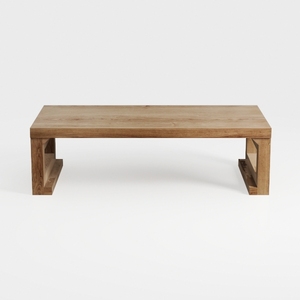
Bed Table Bed Desk Living Room Simple and Creative
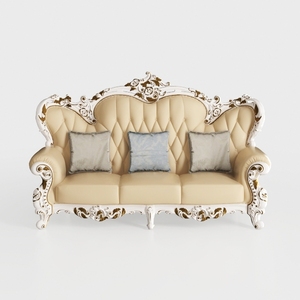
Baroque Luxury Leather Tufted Three Seat Sofa 3D Model
Homestyler is an exceptional online home design platform perfect for all levels. With its user-friendly design tool, stunning 3D renderings, diverse design projects, and engaging DIY video tutorials, you can effortlessly create and visualize your dream spaces. Transform your home design journey today!
지금 무료로 디자인하세요
































