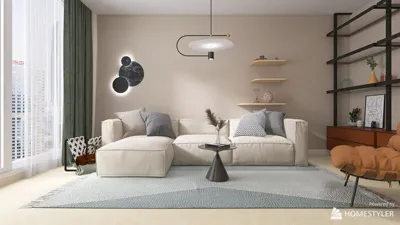


Purple offers a vast spectrum. Ranging from delicate mauve to intense aubergine, it can convey feelings of tranquility, elegance, or contemporary flair based on how I mix hue, value, and texture. In both workplace and domestic environments, I employ purple intentionally to influence mood and functionality. Research in color psychology indicates that violet blends the stability of blue with the vibrant energy of red, often eliciting a sense of creativity and reflection—ideal for spaces like reading nooks, bedrooms, and brainstorming areas. According to Verywell Mind, the subtleties of purple are closely associated with imagination and luxury, particularly in softer tones that help mitigate visual fatigue. Practically speaking, lighter purples (LRV 35–60) serve as adaptable backdrops, while deeper shades make for striking accents. One way to visualize these accents is by utilizing tools like Homestyler.
Lighting transforms purple from a flat color into a dynamic experience. The Illuminating Engineering Society suggests task lighting at approximately 300–500 lux for typical home activities (IES RP-11 and standard interior practice), while WELL v2 emphasizes the importance of glare control and circadian-friendly lighting spectrums to alleviate eye strain. When illuminated under warm light (2700–3000K), purples take on a cozier, redder hue; conversely, under neutral light (4000K), they maintain a cleaner, more architectural appearance. In my design projects, I test colors at two different temperatures and at varying brightness outputs of 30% and 100% to ensure the selected purple remains consistent from morning till night.
Establishing the Right Purple Foundation
I begin by defining the intended atmosphere: restorative, dramatic, or playful. For serene areas, I prefer lavender, heather, or gray-mauve in medium reflectance. To create a bold, gallery-like ambiance, I incorporate rich shades like eggplant or blackberry as trim, built-in furniture, or a standout feature wall. Adhering to the 60–30–10 rule helps maintain balance: 60% neutral tones (warm gray, linen, chalk white), 30% secondary hues (dusty mauve upholstery or drapes), and 10% high-contrast elements (ink-purple vases, artworks, or plush ottomans). This strategy prevents color fatigue while ensuring the space has character.
Combining Neutrals and Metallics
Purple pairs beautifully with subtle neutrals. Shades like bone, putty, greige, and soft taupe lend a mature feel to lavender. Charcoal or off-black acts to enhance the sophistication of aubergine. When it comes to metallic finishes, I prefer to keep it simple; my guideline is to use no more than two finishes. Aged brass complements muted purples with warmth, while satin nickel accentuates cooler violets. For smaller spaces, I opt for pale, low-chroma neutrals on ceilings to create an illusion of height.
Fabrics, Texture, and Shine
Texture can soften saturation. Velvets enrich the depth of eggplant without overwhelming the senses, while bouclé adds dimension to lilac, and linen can lighten lavender for breezy bedrooms. I aim for a balance of sheen: matte or eggshell paint on walls combined with plush fabrics and a single reflective accent (such as a lacquered tray or silk pillow) to capture light. In frequently used areas, I opt for performance fabrics in mauve or plum that resist wear and tear, particularly with smaller textures that disguise scuffs.
Lighting Approach: Prioritizing Color Accuracy
Before finalizing a purple color scheme, I verify under high CRI (90+) LEDs to maintain the harmony between red and blue tones and to avoid unexpected shifts. Implementing layered lighting—ambient ceiling illumination at 150–200 lux for nighttime, task lighting at 300–500 lux for workspaces, and accent lighting at a 2:1 to 5:1 contrast—ensures that purple appears purposeful. Dimmer switches permit adjustments in saturation throughout the day. Effective glare control through elements like baffles and indirect lenses ensures that deeper purples don’t appear blotchy.
Optimal Uses for Purple by Room
• Bedroom: Soft lavender walls paired with ivory bedding, walnut nightstands, and gentle 2700K bedside lamps. A solitary aubergine throw unifies the palette without overwhelming it.
• Living Room: A greige base contrasted with mauve drapes and two plum velvet cushions. Incorporate a satin brass floor lamp and blackened steel accents for a stylish contrast.
• Dining Room: Use eggplant for cabinetry or a feature wall, complemented by linen-colored walls and smoked glass pendants at 3000K to create an intimate atmosphere.
• Home Office: Neutral backdrop with a lilac pinboard or plum storage unit. Thoughtful color design can boost focus and creativity when utilized in careful amounts. Utilizing a room layout tool can facilitate visualizing how purple complements base neutral colors.
• Kids’ Room: Combine lavender with sky blue and natural oak elements; keep purple present in textiles and artwork to allow for palette evolution as preferences change.
Integrating Accents, Art, and Patterns
If you are exploring purple, start with art, rugs, or patterned textiles that showcase various shades of purple. Floral designs, abstract patterns, or Moroccan motifs can seamlessly blend lilac with navy, saffron, or sage, simplifying integration. I often introduce one shade of purple thrice in elements like the hem of drapes, a ceramic lamp, and patterns within a rug to foster gentle coherence.
Adjustments for Small Spaces or Rentals
In smaller rooms, I recommend avoiding dark purples on every wall. Instead, consider painting the inside of a shelving unit in eggplant or utilizing removable fabric panels in lavender. Painting doors and window frames deep plum can add architectural interest without making the room feel cramped. Additionally, peel-and-stick wallpaper in dusk-lilac with subtle patterns can add depth while being reversible.
Material Selection: Woods, Stones, and Paint
Light or medium woods—such as white oak, ash, or walnut—pair beautifully with lilac and mauve. For deeper shades of purple, I prefer rift-cut or smoked oak for a visual balance. Stones featuring gentle veining (like Calacatta Gold or soapstone with light streaks) harmonize with purple by offering movement without competing colors. When selecting paint, I order large samples to evaluate their appearance at different angles; purples often appear cooler in northern light and warmer in southern light, thus requiring checks at various times of the day.
Ergonomic and Behavioral Impacts
Colors can influence behavior. In versatile spaces, I opt for a slightly deeper purple in collaborative areas, while lighter shades are used where a calm atmosphere is desired. Research on workplace design indicates that environments that promote focus and comfort correlate with higher productivity; insights from Gensler’s research library highlight how choices and environmental cues impact performance. A measured approach to purple can help define areas without the need for physical barriers.
Trends for 2024–2025: Muted, Mineral, and Mixed
Currently, mineral-inspired purples—such as amethyst or charoite patterns, accompanied by gray-mauves—are being combined with warm minimalist palettes. Details of micro-luxury (such as plum contrast piping or boucle headboards in lavender) enhance the tactile quality of spaces. In kitchens, aubergine islands topped with honed stone are becoming increasingly popular, embodying both substance and elegance.
Acoustics, Comfort, and Finishing Touches
Soft textiles within the purple spectrum can significantly enhance acoustic comfort. A mauve area rug coupled with upholstered panels can reduce echo in areas with hard surfaces. In open-concept environments, I incorporate mid-tone purple textiles along with NRC-rated acoustic panels whenever possible, ensuring that the color aligns seamlessly with surrounding finishes.
Maintenance Considerations
Deeper purples are more forgiving when it comes to concealing scuffs on cabinets and doors; using eggshell or matte finishes on walls aids in avoiding shiny touch-ups. For durability, I opt for stain-resistant performance fabrics in family areas and entry benches. Since natural light can cause certain dyes to fade, I ensure purple fabrics are out of direct sunlight or add sheer layers to diffuse the light.
Steps to Confidently Introduce Purple
1) Define your intent: calm, bold, or playful. 2) Choose one primary purple and two neutral supporting colors. 3) Test swatches under both 2700K and 4000K lighting. 4) Balance textures and levels of sheen. 5) Introduce three small purple accents for rhythm. 6) Scale up to larger applications like walls, cabinetry, or drapery once the palette is stabilized. Tools like Homestyler can help check sightlines and space instead of color interactions as your design grows.
To align color choices with well-being and performance, I refer to WELL v2 standards regarding lighting and visual environments, as well as insights from Verywell Mind’s color psychology framework. These resources offer practical structures without being overly prescriptive about aesthetics.
Frequently Asked Questions
Q1. What is the best shade of purple for a small bedroom?
A light gray-lavender or heather (mid-to-high LRV) keeps the space welcoming while still adding flair. Pair these with warm whites and light woods to prevent contrast lines that could visually shrink the area.
Q2. How does the temperature of lighting affect purple walls?
Warm lighting (2700–3000K) tends to deepen purple, lending a cozier feel; in contrast, temperatures between 3500–4000K preserve a crisper, more neutral aesthetic. Be sure to test your samples throughout the day with dimmers to catch any changes.
Q3. Can purple enhance focus in a home office?
In moderation, absolutely. Subdued shades of violet and mauve can foster a calm, creative atmosphere without causing the same alertness spikes as vibrant reds. Ensure strong task lighting (300–500 lux) and low glare for comfort.
Q4. What neutrals work best with purple?
Colors like greige, warm gray, bone, and soft taupe complement purple gracefully. For added drama, deep charcoal and off-black can give eggplant a more tailored and modern look.
Q5. Where can I use dark aubergine without overwhelming the space?
Consider applying it to cabinetry, interior doors, a fireplace surround, or the back panel of shelves. By keeping ceilings and adjacent walls lighter, balance is maintained.
Q6. What textures go well with purple fabrics?
Velvet adds depth, bouclé provides warmth, and linen ensures breathability. Pair these with matte paints and one glossy accent to prevent the overall palette from appearing flat.
Q7. How can I incorporate purple in a rental without any painting?
Utilize removable wallpaper, drapes, rugs, and art. A plum headboard or lilac bedding can change the room’s vibe without making permanent alterations.
Q8. Is purple an appropriate color for kitchens?
Yes, consider a deep aubergine for kitchen islands or pantry doors alongside warm stone and brushed brass accents. Lighter surrounding surfaces prevent the area from feeling cramped.
Q9. What metal finishes complement purple hues?
Aged brass enhances the warmth of muted purples; satin nickel or blackened steel sharpens cooler violets. Limit your palette to two metal finishes for a cohesive look.
Q10. How can I prevent purple upholstery from fading?
Look for performance fabrics with UV protection, rotate your cushions regularly, and use sheer window coverings to diffusing direct sunlight exposure.
Q11. What’s the ideal distribution of purple in a living area?
Follow the 60–30–10 guideline: 60% neutral backdrop, 30% complementary tones (such as mauve drapes or rugs), and 10% accents (like deeper plum accessories). Adjust according to space size and light availability.
Q12. Can purple be useful in defining zones within open-plan spaces?
Absolutely. A deeper hue can denote collaborative or social areas, and lighter lavender can be used in spaces dedicated to calm. This technique aids in color zoning without cluttering the visual environment with physical divisions.


Looking to transform your home? Homestyler is the ultimate destination! With its user-friendly online design tool, stunning 3D renderings, and a wealth of inspiring design projects and video tutorials, you can effortlessly create the perfect space that reflects your style and vision. Start designing today!
Progetta ora GRATIS
































