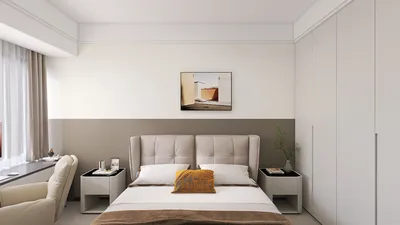


Purple embodies a unique duality—both magnificent and calming, brimming with creativity yet possessing a sense of poise. Selecting the right combination of purples can dramatically alter a room’s atmosphere and flow without overwhelming the senses. My choices are frequently guided by research; for instance, studies from Verywell Mind highlight how purple is linked to creativity and tranquility, marrying the emotional impacts of red and blue. In corporate settings, Steelcase reveals that color and environmental settings significantly affect perceived wellness and productivity, emphasizing the importance of subtle shades over vivid blocks. These insights inform my approach to purple, where I first consider scale, finish, and illumination, before moving on to contrast and texture.
Lighting is crucial in determining whether a shade of purple appears rich or dull. The WELL v2 Light framework underscores the necessity of appropriate lighting intensity and color quality, as the spectral rendering dramatically influences how colors and undertones are perceived. Under warm lighting conditions (2700–3000K), purples with red tones seem inviting; however, in 3500–4000K neutral lighting, bluish violets remain sharp and defined. I opt for cooler purple tones near high-CRI task lighting to maintain clarity, while warmer mauves benefit from a more diffuse light to soften their appearance. For an overarching philosophy regarding spatial wellness, WELL provides invaluable insights into brightness, glare management, and visual comfort. For more details, visit WELL v2 (v2.wellcertified.com).
Define Your Goal: What Kind of Purple Mood Do You Desire?
Every design endeavor begins with a clear objective. Deep aubergine conveys elegance and concentration; vibrant violet invigorates creative spaces; while softer mauve and lilac create tranquility in bedrooms and cozy areas. I align the intensity of purple with its intended function: concentrated tasks thrive with muted, lower-chroma options; communal zones can embrace richer jewel tones but should include a balance of soft neutrals to prevent visual exhaustion. Ideally, purple should occupy about 20-30% of the visible color scheme unless intentionally creating a dramatic effect; this ratio helps maintain balance and clarity.
Successful Pairings: Combine Purple with Neutrals
- Charcoal + Aubergine + Brass: A classic combination for living areas, where charcoal serves as a grounding element, aubergine introduces depth, and brass adds a touch of warmth. Incorporating fabrics like boucle or velvet alongside brushed metal enhances tactile differences.
- Greige + Mauve + Walnut: Achieve serenity in the bedroom with greige walls, mauve curtains, and walnut nightstands. The wood’s grain warms the cool undertones of mauve.
- Soft White + Lilac + Natural Linen: Embrace relaxed minimalism by applying lilac to textiles, using soft white for the walls, and incorporating linen for added texture and airiness. This palette minimizes visual clutter while maximizing daylight reflectance.
Accent Techniques: Purple with Bold Companions
- Purple + Teal: An energetic mix perfect for creative studios. Keep teal accents minimal (like pillows or artwork) while allowing purple to dominate through rugs or curtains.
- Purple + Mustard: A chic retro-modern blend. Mustard introduces warmth; balance its intensity with cooler metals (like a chrome side table) to avoid heaviness.
- Purple + Forest Green: An elegant combination for moody dining areas. Utilize a semi-gloss finish on trim to reflect light and a matte finish on walls for depth.
Illumination, Glare, and Texture Selection
The finish of surfaces is as vital as the color selected. Matte finishes absorb light, while semi-gloss finishes enhance it. For deep purple walls, I prefer matte or eggshell paints to mitigate reflections that could emphasize shadows. Task-oriented surfaces, such as desks and islands, maintain a mid-value, low-gloss to minimize glare distortion. Refer to IES guidelines for glare management in work areas (ies.org/standards). Pairing cooler LED lighting with bluish purples will help maintain sharp edges; conversely, using warmer LEDs for mauve fabrics and plum leather will highlight texture.
Purple Choices for Different Room Sizes
In smaller spaces, opt for lighter purple shades (such as lilac and lavender) to create an illusion of height and widen the area. Consider painting just the ceiling or one feature wall purple, and incorporate purple in textiles to achieve continuity without making the space seem cramped. For larger areas, a deeper purple section can effectively demarcate purpose—like a reading nook or dining corner—without disrupting sightlines. If you're contemplating layouts or circulation plans, utilizing a design simulation tool like a room layout tool can assist in visualizing balance and focal points.
Materials that Enhance Purple’s Appeal
- Metals: Pair warm purples with aged brass or antique bronze, while polished chrome and stainless steel complement cooler violet hues.
- Woods: Utilize walnut, mahogany, and smoked oak for depth; while ash and white oak offer a lighter touch to lilac arrangements.
- Stone: Use Carrara and Calacatta marble for airy lavender aesthetics; Nero Marquina marble deepens the drama of aubergine tones.
- Fabrics: Velvet introduces a rich play of shadows; linen reduces boldness; and bouclé adds a textured rhythm for balanced color schemes.
Understanding Color Psychology and Ergonomics
Color is not merely visual—it influences behavior as well. Verywell Mind connects purple to notions of creativity and introspection, which I capitalize on for brainstorming areas and serene reading nooks. From an ergonomic viewpoint, I refrain from applying purple to frequently used task surfaces; neutrals in mid-tones lessen eye strain by lowering contrast fluctuations. Items such as chairs and keyboards in soft, neutral tones help maintain a stable visual load, allowing purple to appear in less overwhelming ways—through acoustic panels, draperies, or artwork.
In Bedrooms and Serenity Spaces: Choosing Purple Wisely
For restful environments, I prefer muted and textural purples. Choose mauve or soft lavender textiles alongside warm wood tones to promote relaxation. Keep vivid violets out of direct sight lines to the bed, utilizing these colors for footstools or decorative art instead. A dim-to-warm lighting schedule that transitions to 2700K in the evening aids relaxation and paves the way to rest.
Living Rooms: Crafting Dimension with Layered Colors
Begin with a mid-value foundation (like a plum rug), follow with lighter walls (soft white or pale greige), and introduce a statement deep aubergine accent chair. Use textured weaves to disperse light gently. I favor asymmetrical layouts—situating one heavy purple element contrasted by a lighter piece across the space—to sustain visual harmony without the fatigue of perfect symmetry.
Workspaces: Focused Yet Creative Environment
In studios or home offices, use purple as a backdrop instead of cluttering the focal area. A soft violet wall behind your monitor decreases screen contrast spikes. Maintaining light-neutral desk surfaces while incorporating a small vivid purple accessory (like a pen holder or vase) signals creativity without overwhelming the senses. According to Steelcase’s research, controlled environmental elements positively influence wellbeing; cultivating intentional color usage is a part of effective management.
Children’s Rooms: Lively, Fun, and Adaptable Design
Incorporate bright lilacs or grape accents into easily replaceable elements—such as bedding or decals—so the color scheme can evolve over time. Pair these with soft whites and natural maple to keep the room well-lit. Ensure the use of high-CRI lighting (90+) to prevent distortion of toy and book hues.
Kitchens and Bathrooms: Contemporary Gloss and Pristine Accents
Consider tiling a nook in plum or aubergine to showcase toiletries, or select lilac glass tiles for the backsplash to encourage a gentle morning ambiance. Balance these with light-colored stone or quartz to maintain reflectiveness and cleanliness. In kitchens, incorporate purple subtly through barstools, pendants, or cabinet interiors—visible when opened but serene when closed.
Common Pitfalls and Their Solutions
- Excessive use: If purple overtakes more than a third of the surfaces, sightlines may collapse. Begin with a 20% application and assess accordingly.
- Neglecting lighting temperature: A 4000K bulb can dull warm purples; adjust lamp specifics to suit the underlying tones.
- Flat finishes: Aim to combine at least three different textures—one plush, one smooth, and one natural—to keep the purple dynamic and engaging.
- Lacking a grounding neutral: Always pair purple with a low-chroma backdrop (like soft white, greige, or charcoal) to stabilize the overall scheme.
FAQ
Match the undertone with light and materials. Warm plum pairs well with brass, walnut, and 2700–3000K lights. Cool violet works with chrome, ash, and 3500–4000K lights.
Keep purple to roughly 20-30% of the visible surfaces in everyday environments. Exceed this only if the room’s intent is theatrical or gallery-focused.
Soft white, greige, charcoal, and natural linen complement purple across various undertones. Employ wood types (like walnut or ash) to adjust warmth.
Absolutely. Warm lighting (2700–3000K) enriches red-tinted purples; neutral/cool lighting (3500–4000K) accentuates blue-toned violets. High CRI keeps colors authentic.
Utilize lighter shades of purple (lilac, lavender) for textiles or feature walls. Light ceilings and matte finishes help prevent a constricted feel.
Textures such as velvet, bouclé, linen, and polished metals are ideal. Aim to combine at least three textures to maintain depth and avoid a flat appearance.
Yes, in moderation. Desaturated violet as a background fosters focus, while a singular vivid accent conveys creativity without overwhelming.
Select matte or eggshell finishes, manage specular highlights, and align lighting to mitigate direct reflections. Follow IES glare advice for working environments.
Incorporate tile niches, backsplashes, or hardware accents for durability and ease of cleanliness. Major surfaces should remain bright and hygienic.
Indeed. Keep bold complementary colors as small accents and anchor the design with neutrals to ensure balance and clarity of sightlines.

CONSDAN 2-Piece Nesting Coffee Table Set, Solid

BRIAN & DANY Small Foot Stool, Linen Foot Stools
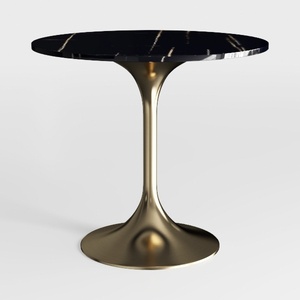
Bristol 31" Round Dining Table, Sintered Stone & G
If you're looking to transform your home effortlessly, Homestyler is your go-to platform! It offers an intuitive online design tool, stunning 3D renderings, a wealth of design projects, and helpful DIY video tutorials. Start designing your dream space today, regardless of your experience level!
Design Now for FREE
































