


A single motif has the remarkable ability to serve as a tranquil anchor within any space. In living rooms, a well-executed stencil design embodies this principle by adding character, rhythm, and a personalized touch without incurring the high costs or permanence associated with specialized wallcoverings. When utilized effectively, stencils layer patterns that enhance your layout, lighting, and material selections rather than clashing with them. Tools like Homestyler can help visualize how these designs interact within the overall aesthetic.
The influence of pattern on perception and mood is significant. According to research shared by Verywell Mind, blues are associated with calm, while warmer tones such as terracotta promote a welcoming environment (verywellmind.com/color-psychology). In workplace studies, which are relevant to residential spaces, Steelcase highlights that a judicious amount of visual variety can break monotony and enhance comfort. Proper lighting is crucial too; the IES recommends ambient illuminance of 100-300 lux in living spaces for general tasks, increasing to 300-500 lux for reading. Therefore, it is essential to test your stencil colors under varying light conditions to ensure they remain legible and harmonious in the room.
Establish Intentions Before Selecting a Pattern
When choosing stencil designs, it is vital to start with clear spatial intentions: what ambience do you aim to create for your guests, and how do you envision the room's functionality? For layouts centered around entertaining, I prefer generous, horizontal motifs that visually expand seating areas. Conversely, for reading corners or TV walls, I opt for subtle micro-patterns that reduce visual distraction and maintain focus. If you are determining furniture placement or circulation, employing a simple interior layout planner can be incredibly helpful for visualizing sightlines and discerning which walls should feature stencils.
Scale, Rhythm, and Balance Matter
The scale of your stencils is crucial to their effectiveness. Large-format stencils measuring 12-24 inches can fortify expansive walls and lofty ceilings, while smaller repeat patterns of 2-6 inches introduce texture without overwhelming the eye. I often adhere to a 60/30/10 distribution: 60% quiet surfaces, 30% moderate patterns or textures, and 10% accent details. This achieves a balanced integration of stencils into the room's design. Consider the rhythm; aligning patterns with architectural features—such as window frames, mantels, or shelving—can prevent awkward placements. Using painter's tape to create a dry-run grid can ensure symmetry before paint application.
Understanding Color Psychology in Living Areas
Color significantly influences the emotional atmosphere of a space. Soft blues and blue-grays can create a calming environment, while muted greens synergize beautifully with natural wood finishes to foster a soothing ambiance. If social interaction is a focus, warmer shades like coral or terracotta enhance the space's warmth and liveliness. For versatile living areas, I often combine a restful base palette (like sage or smoke-blue) with a playful accent hue (such as ochre or rust) in the stencils, ensuring that the main walls remain neutral. It's advisable to test color samples under both daylight and artificial lighting to gauge how the color temperature affects pattern perception.
Lighting Conditions: Harmonizing Patterns with Fixtures
Adequate lighting is essential for the effectiveness of patterns. A combination of ambient (ceiling or cove), task (floor lamps positioned near seating), and accent (picture lights and wall washers) is necessary. Glare can detract from the visual appeal of your stencil, so consider using diffusers and matte finishes to decrease reflections. Opt for dimmable lighting options to adjust the atmosphere—from a softened motif during movie nights to brighter settings for reading. Adhering to IES guidelines for living areas (roughly 100-300 lux for general lighting and 300-500 lux for tasks) ensures that the stencils are clearly visible without excessive brightness.
Choosing Suitable Materials and Finishes: Crisp Lines and Easy Maintenance
When selecting paints for your interior, prioritize low-VOC options to minimize odors and maintain a healthy environment. Matte or eggshell finishes are excellent for reducing glare and concealing imperfections, while satin is appropriate for trim areas where the stencil extends. For precise stencil edges: utilize a repositionable spray adhesive, apply a light mist, and use minimal paint on your brush or roller to avoid bleed-through. In cases where wall texture is prominent, you may need to switch to sponges or stippling pads for better results. To enhance durability, seal high-traffic areas with a clear matte topcoat. As sustainability matters, consider choosing paints with third-party certifications and stencils that use recycled mylar.
Placement Strategy: Emphasizing Feature Walls and Subtle Backgrounds
Feature walls must harmonize with your overall layout instead of causing distractions. I often opt for walls positioned behind key furniture pieces or adjacent to focal points like fireplaces, avoiding patterns directly behind televisions where they may detract from viewing. For smaller rooms, consider using half-height stencils above wainscoting to maintain a calming lower area for furniture. If you are experimenting with furniture arrangements or focal points, leverage a room layout tool to assess which walls naturally draw attention from the entrance to the seating area.
Balancing Acoustic Comfort and Visual Calm
Loud patterns can overwhelm a space, particularly when using high-contrast designs. In rooms with hard surfaces, it’s wise to lower contrast to mitigate perceived noise levels. Incorporating soft materials such as wool rugs, upholstered panels, and lined drapery can help balance sound and complement your stencil choices. When designing family-friendly spaces, I often decrease motif density in areas meant for play or reading to maintain visual tranquility.
Exploring Different Pattern Types: Geometric, Organic, and Heritage
- Geometric patterns provide stability to modern interiors, favoring clean lines such as lattices or chevrons with subdued contrast.
- Organic forms—such as leafy designs, wave patterns, and botanical influences—fit nicely within biophilic themes and promote a sense of restoration.
- Heritage-inspired patterns—like Moroccan or Art Deco—work well when furniture styles resonate with their respective era. Consistency in scale with door and window dimensions avoids a mismatched aesthetic.
A Step-by-Step Guide: From Concept to Final Touch
1) Prepare the wall: fill, sand, prime, and apply your base coat.
2) Map out your pattern: center it on the focal wall, ensuring it is level and vertically aligned.
3) Test a small section in a less visible area to gauge the final look.
4) Use minimal paint and remove excess before rolling or stippling carefully.
5) Ensure clean edges by lifting the stencil gradually, and touch up any discrepancies with an artist's brush.
6) Evaluate under both natural daylight and evening lighting, adjusting contrast as necessary.
7) Seal areas where required and keep other sections matte for a softer finish.
Emerging Trends for 2024-2025: Subtle Textures and Warm Minimalism
Clients increasingly seek spaces that feel both grounded and distinctive: think warm neutrals, layered textures, and understated patterns that add character without overwhelming visuals. Tonal stencils, which are slightly lighter or darker than the base wall, are gaining popularity for creating a tailored look that is not overly busy. Natural color schemes paired with gentle curves and subtle metallics harmonize beautifully with materials like oak, bouclé, and linen.
Ensuring Longevity and Ease of Maintenance
Prioritizing quality over quantity is essential. Select washable paints and maintain a labeled touch-up kit for each color used. To keep patterned walls looking pristine, dust them with a microfiber cloth and avoid harsh cleaning products. For those planning seasonal updates, opt for motifs designed for easy repainting and steer clear of high-abrasion areas for a longer-lasting finish.
Avoiding Common Mistakes
- Avoid oversizing stencils in compact rooms; choose medium-scale designs instead.
- Refrain from using highly contrasted patterns behind TV units.
- Ensure to check layouts prior to painting.
- Don't overlook light temperature; test colors at 2700K and 3000K for accurate color behavior.
- Avoid letting patterns compete with artwork by staggering focal points appropriately.
Frequently Asked Questions
Q1: How do I determine the appropriate stencil size for my living room?
A: Ensure the stencil size corresponds to the wall dimensions and ceiling height. Large walls with tall ceilings can handle 12-24 inch motifs, while smaller areas benefit from 2-6 inch repetitions. Maintain about 60% of wall space as quiet to avoid visual fatigue.
Q2: What paint finish is ideal for achieving clean stencil lines?
A: For minimal glare, a matte or eggshell finish on the base is best, combined with a light-touch roller or stipple technique for applying the stencil. Using minimal paint and repositionable adhesive minimizes bleed.
Q3: Will my stencils conflict with the artwork I have displayed?
A: Create space between focal points. Opt for tonal patterns (a slight variation from your base color) behind gallery walls, while reserving bolder designs for adjacent surfaces. This balancing act simplifies cohesion within the color scheme.
Q4: In what ways does lighting impact the perception of stencils?
A: At 2700K, warmer palettes appear deeper and cozier; 3000-3500K yields a balanced look; while higher temperatures may flatten warmer hues. Strive for 100-300 lux in ambient lighting and up to 500 lux for reading zones to ensure clarity without glare.
Q5: Which colors foster a calmly interactive environment?
A: Soft greens and blues cultivate tranquility, while muted warm tones like terracotta stimulate conversation. This aligns with well-documented insights from color psychology as presented by Verywell Mind.
Q6: Can the use of stencils enhance a small living area?
A: Absolutely. Employ horizontal or low-contrast tonal designs to create an illusion of space. Keep furniture selections refined and avoid busy patterns near traffic areas to maintain flow.
Q7: What is the most effective strategy for high-traffic walls?
A: Utilize washable, low-VOC paints, and apply a clear matte protective coat on areas subjected to frequent contact—such as near switches, doorways, or wainscoting. A touch-up kit is advisable for rapid repairs.
Q8: How can I align my stencils with architectural details?
A: Use features like window tops, fireplace mantels, and shelving lines as references. Tape a light grid to verify that patterns align neatly around trim and corners.
Q9: Are metallic accents in stencils advisable?
A: Yes, when used judiciously. Employ soft metallics (like champagne or aged brass) for fine outlines or minute details, avoiding extensive areas to control glare. Pair these with warm lighting in the range of 2700 to 3000K for added depth.
Q10: How do patterns affect acoustics within a room?
A: High-contrast designs can feel visually loud. For rooms with hard flooring, opt for softer palettes and introduce rugs, drapes, and upholstery elements to improve acoustic comfort while keeping patterns gentle.
Q11: What is the best wall to apply stencils in a versatile living area?
A: Typically, stencils are best used on the wall behind the main seating area or next to the fireplace. Avoid stenciling the TV backdrop unless the pattern is subtle. Testing focal points through a layout simulation can be beneficial before painting.
Q12: How do I maintain visual harmony with existing furnishings?
A: Incorporate one color from your upholstery or rug into the stencil and ensure that the motif's scale is in proportion to major elements—such as the width of the sofa or height of the mantel—to achieve a cohesive overall look.
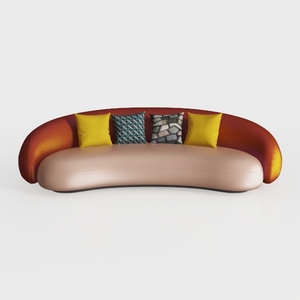
Modern Two Tone Fabric Curved Sofa With Decorative Throw Pillows 3D Model
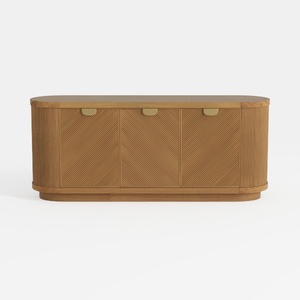
Modern Minimalist Solid Wood Fluted Sideboard with Brass Accents 3D Model
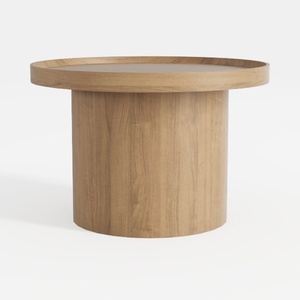
Minimalist Solid Oak Round Coffee Table 3D Model
Looking to transform your space effortlessly? Homestyler is your go-to online design platform, featuring a user-friendly design tool, stunning 3D renderings, inspiring design projects, and informative video tutorials. Whether you're a beginner or an expert, create your dream home with ease!
تصميم الآن مجانا
































