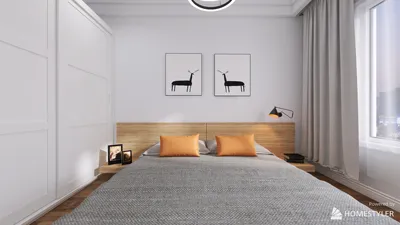


I have always thought that scent plays an architectural role similar to light. Utilizing a jasmine-based room freshener isn't just about covering up odors—it's about crafting an experience. This scent can guide relaxation, enhance transitions, and sharpen focus. In busy households and small workspaces, a well-balanced jasmine fragrance serves as a gentle backdrop, allowing materials, colors, and light to shine.
The Connection Between Scent and Surroundings
Wellness and productivity are deeply influenced by our multi-sensory environment. According to research by Steelcase, spaces designed for focus and relaxation are linked to enhanced productivity and overall well-being. Their findings highlight how micro-restoration areas can significantly boost cognitive energy. Furthermore, the WELL v2 standard emphasizes the importance of indoor air quality and olfactory comfort, noting that clearer air and fewer irritants lead to greater occupant satisfaction. Studies in color psychology reveal that softer shades can diminish stress levels, akin to the effects of scent, which helps ease the burden of tasks when complemented by warm lighting and gentle color schemes.
Putting Theory into Practice: The Role of Jasmine in Various Spaces
Jasmine is classified in the floral family, offering a light sweetness that many find calming. I integrate it in spaces where tranquility is essential: bedrooms, reading corners, and entryways. For those working from home, a subtle jasmine scent creates an environment conducive to deep-focus work without overwhelming the workspace. This fragrance should enhance the ambiance, fading within 30 to 45 minutes to become an atmospheric note rather than a dominant presence.
When reconsidering the flow between living and dining areas, jasmine can harmonize diverse textures—such as rough linens and smooth oak—by providing a gentle and cohesive aroma across different functions. For layout planning, using an interior design tool can assist in visualizing how to place jasmine to ensure even distribution without concentrated areas: consider using a tool like Homestyler.
Illumination, Color, and Aroma: The Sensory Triangle
Under warm LEDs with a color temperature of 2700–3000K, jasmine emits a soft and cozy vibe. I maintain a light level between 150 and 300 lux in leisure areas to prevent glare and minimize scent fatigue; bright, cool lighting can inadvertently intensify the fragrance. The IES provides guidance on higher luminance at workstations; thus, I refrain from using strong scents in those areas. Calming colors like beige, parchment, and sage can lower contrast stress, allowing jasmine to linger gently in the background. According to insights from Verywell Mind, these calming colors foster relaxation, aligning perfectly with the soothing nature of jasmine.
Human Factors: Scent Dosage, Timing, and Sensitivity
I approach scent akin to acoustics; both dosage and timing are critical. For an average 12–15 m² room, one properly timed release or a single passive diffuser typically suffices; increase the amount only if doors remain open or there's significant airflow. In communal areas, it’s advisable to use on-demand releases at entry points rather than a constant fragrance. Keeping task areas neutral or unscented while using jasmine for transition spaces—like hallways, entryways, and lounges—allows individuals to choose their level of exposure. If any occupants exhibit sensitivity, reduce the scent intensity, open windows, and consider unscented intervals during work hours.
Behavioral Patterns and Intentional Spacing
Jasmine serves beautifully as a ritual identifier. In the evening, a brief release can ease the transition from an active to a restorative state. In homes inspired by hospitality, pairing jasmine with soft lighting and layered textiles creates a restorative zone that encourages relaxation. In smaller apartments, scent can subtly differentiate areas, effectively designating reading nooks or meditation spaces without adding visual clutter.
Harmonizing Acoustics and Material Choices
Soothing acoustics can enhance the calming qualities of jasmine. By including rugs, comfortable seating, and sound-absorbing panels, we mitigate harsh reflections, which can make fragrances feel invasive. Material choice is essential for scent retention; porous fabrics retain aromas longer, whereas heavier textiles can cause quick dissipations. When prioritizing sustainability, select low-VOC carriers and minimize aerosol usage—frequently ventilate and ensure propellant types comply with WELL v2 indoor air quality standards.
Strategic Placement and Airflow Considerations
Position fresheners away from direct HVAC systems to avoid inconsistent scent distribution. I prefer placing them approximately 1.2 to 1.5 meters above the ground—around nose level when standing—and near entry points or separated functional areas. In cozy bedrooms, arrange fresheners on walls opposite the headboard to avoid concentrated exposure during sleep. When reconfiguring furniture to optimize airflow, consider testing setups using an interior layout planner, such as Homestyler, before making final decisions.
Safety, Sensitivity, and Maintenance Routines
It is crucial to check the components of your scent carriers and avoid blending multiple strong fragrances; jasmine works best with neutral air. Keep devices out of direct sunlight and away from children and animals. For upkeep, a weekly routine of airing out spaces and having an unscented day helps reset olfactory sensitivities. Should anyone report headaches, reduce the scent intensity, explore unscented days, and assess your ventilation setup.
Project Insights: Successful Implementations in Real Homes
In a recent studio apartment project, I placed a jasmine freshener by the foyer table. With 2700K ambient lighting and a soft rug to absorb sound, the client noted a more relaxed winding-down process after evening shifts. We ensured that the workstation remained unscented and employed a quick release in the living area half an hour before bedtime; this routine effectively indicated the end of the day without encroaching on bedding textures.
FAQs
For a 12–15 m² space, begin with the lowest setting or a single passive diffuser, then assess after 24 to 48 hours. Only increase if the fragrance dissipates too swiftly due to airflow.
Absolutely. Warm lighting (2700–3000K) tends to soften floral notes; cooler light can sharpen fragrances unexpectedly. Lounge areas should ideally hover around 150 to 300 lux for comfort.
Place the freshener opposite the headboard or close to the entryway, ensuring it's away from direct airflow to prevent concentrated scent exposure while sleeping.
Indirectly. Research from Steelcase connects restorative zones with improved focus and task transitions. A delicate jasmine fragrance can signal breaks without intruding in workspaces.
Use minimal dosages, ventilate regularly, and keep work areas unscented. Designate options like entryways or lounges for introducing fragrance rather than saturating the entire home.
It can be safe, provided the carriers are low-VOC and usage is controlled. Pair it with good ventilation and filtration to meet PM2.5 and VOC standards referenced in WELL v2 guidelines.
Soft, low-contrast colors like parchment, beige, and soft sage align with findings in color psychology that support relaxation and cohesion.
Maintain a neutral scent profile in task zones. Employ jasmine at entry points or nearby lounges to signal breaks, thus preserving cognitive sharpness in working areas.
Yes, softer acoustic environments can alleviate sensory strain; incorporating rugs and upholstery makes the fragrance experience feel more balanced and less invasive.
Brief scent releases connected to daily rituals yield the best results—consider timing them for post-work or pre-bedtime. Including regular unscented days helps reset sensory perception.
Subtly. A diffuser placed in reading corners or entryways can designate areas without incorporating visual dividers.
Roughly 1.2–1.5 meters above the ground, maintaining distance from direct air vents, sunlight, and reach of children or pets.
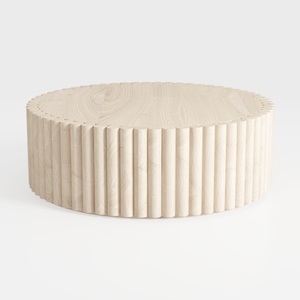
Drum Oval Coffee Table Mid Century Modern Coffee
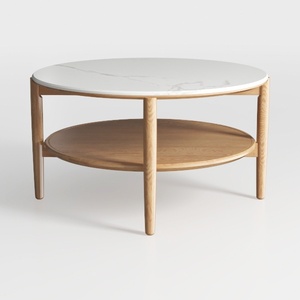
VASAGLE Round Coffee Table, 2 Tier Coffee Table wi

Japanese Floor TableSmall Coffee Table & Tea Table
Homestyler is your go-to online design platform for creating stunning spaces effortlessly. With its user-friendly design tool, impressive 3D renderings, and a wealth of inspiring video tutorials, you can transform your decorating dreams into reality. Start your home transformation today!
지금 무료로 디자인하세요
































