


I consider scent to be an essential part of design—just as crucial as lighting or color—because it influences the atmosphere and functionality of a space. The right scent oils can alleviate stress, induce relaxation, and enhance one's perception of cleanliness. Rather than merely masking odors, fragrance serves as a tool for creating a comfortable environment that influences behavior.
Research consistently shows a connection between sensory quality and emotional well-being. Steelcase has found that factors like acoustics, lighting, and air quality can significantly impact cognitive load and overall productivity; inadequate sensory conditions can lead to noticeable declines in task performance (Steelcase Workplace Research). In addition, the WELL v2 standards emphasize the link between air quality, thermal comfort, and unpleasant odors to health outcomes, advocating for effective source control and adequate ventilation to reduce volatile organic compound (VOC) exposure. Thus, it’s clear that the composition of oils, methods of diffusion, and ventilation strategies are as important as the scent notes themselves.
The psychology of color also plays a role in choosing scents. Insights from Verywell Mind indicate that cooler shades (such as blues and greens) promote tranquility, while warmer colors energize the environment. I follow this principle by associating soothing scents like lavender and chamomile with cooler color schemes, and using vibrant oils like citrus and peppermint where warmer tones dominate. This alignment between scents and sensory colors is intentional, encouraging specific experiences—be it rest, focus, or hospitality—without mixing unrelated fragrances in the same area.
Fundamental Concepts: Wellness, Harmony, and Purpose
I begin by considering three essential factors: health safety, scent balance, and spatial purpose. Health refers to scrutinizing ingredient lists for substances like phthalates and formaldehyde-donors, with the WELL v2 framework advocating for transparency and VOC control. Balance involves selecting top, middle, and base notes that unfold in an appealing manner: a bright top note (like bergamot), a harmonious heart (such as lavender), and a gentle base (cedar) to avoid olfactory fatigue. Intent aims to connect the scent with an intended outcome: relaxation in bedrooms, clarity in home offices, and a welcoming atmosphere in entryways.
Selecting Oils: Pure Essential or Fragrance
Essential oils, derived from plants through steam distillation or cold pressing, contain unique compounds; although they are natural, concentrations can still be irritating. In contrast, fragrance oils may be synthetic or a blend of natural elements, providing stability and a defined aroma throw. I recommend using essential oils for therapeutic applications and high-traffic personal spaces, while high-quality fragrance oils are ideal for social areas. Regardless of the choice, one should always opt for IFRA-compliant blends, clear allergen disclosures, and low-VOC diluents. The WELL v2 focus on source control supports using documented and clean formulations.
Diffusion Techniques and Space Ratios
The choice of diffuser significantly affects how an aroma is dispersed and how much maintenance is required:
As a general guideline, I design with a ratio of one diffuser per 250-350 square feet for subtle scenting in spaces with 8-9 foot ceilings. In open-concept areas with high ceilings, a secondary diffuser is beneficial, placed away from HVAC returns to avoid short cycling. If you are planning your furniture layout alongside diffuser placement, using a room layout tool like Homestyler can aid in visualizing the arrangement and flow.
room layout tool
Lighting, Temperature, and Scent Perception
The interplay of lighting and temperature greatly impacts how fragrance is perceived. Warm light (2700–3000K) tends to amplify the richness of woods and spices, while cooler light (3500–4000K) keeps citrus and mint scents bright. IES recommendations on glare control stress comfort, as intense glare can trigger headaches, diminishing scent tolerance. Temperature affects volatility; a warmer environment enhances top notes while shortening their duration, whereas cooler spaces help to maintain scent depth. It's advisable to position diffusers away from direct sunlight and heat sources to prevent oxidation.
Considerations for Acoustics and Air Quality
Acoustic comfort is critical because increased noise levels can add to cognitive load, which can turn pleasant scents into distractions. Steelcase research indicates that environments with controlled sound levels and adequate air movement can improve focus; thus, I pair whisper-quiet ultrasonic diffusers with soft materials like rugs and curtains, and ensure a fresh air exchange through operable windows or HVAC systems. The WELL v2 Air standard necessitates sufficient ventilation rates and filtration; adhering to these guidelines helps avoid stagnant odors and ensures a ‘fresh’ environment that transcends mere fragrance.
Color Psychology and Aroma Pairings
Aligning scent families with color schemes and activities enhances behavioral reinforcement:
These pairings strengthen intended outcomes. Verywell Mind’s overview of color psychology suggests using cooler hues for peaceful environments and warmer tones for energetic ones; scents should complement these visual cues rather than conflict with them.
Safety and Scent Sensitivities
It's essential for scents to be inclusive. Maintaining lighter concentrations is key—start with 2-4 drops of essential oil per 100 ml of water in ultrasonic diffusers, and limit nebulizer use to shorter cycles. Be mindful of guests' sensitivities, avoiding known irritants (like high aldehyde florals), and creating unscented areas. Households with pets must take extra precautions, as several essential oils (such as tea tree and wintergreen) can be harmful to birds and animals. For those with asthma or odor sensitivities, select hypoallergenic, low-VOC blends and increase ventilation during diffusion.
Strategic Placement of Diffusers
Position diffusers in transition areas: entryways, corridor junctions, and the edges of living spaces—steer clear of placing them directly at seating arrangements where scent saturation could occur. Ensure they are positioned away from HVAC returns to prevent rapid dispersion and high-heat appliances. For multi-room residences, create a gradual scent gradient rather than a singular dominant note; perhaps starting with a citrus aroma in the foyer, blending into herbal notes in the living area, and rounding off with woody base notes in the den for a cohesive scent experience.
Material Choices and Scent Integration
Different materials impart their own olfactory characteristics. Oiled oak and leather harmonize with resinous woods; linen and cotton mesh well with citrus scents; stone and concrete complement crisp herbal notes, balancing their mineral nature. Opting for sustainable materials—low-VOC paints, natural fabrics, and responsibly sourced wood—mitigates background off-gassing, allowing ambient scent oils to be experienced naturally without overriding existing aromas.
Maintenance of Scents
Regularly rinse ultrasonic reservoirs each week to avoid microbial buildup and unpleasant odors. I recommend rotating oils seasonally to prevent olfactory fatigue—transitioning from spring citrus and herbs, to summer florals and mints, then moving to fall spices and woods, and finally winter balsamics and resins. Store oils in amber glass bottles shielded from heat and light since oxidized oils can produce flat scents and may cause irritation.
My Preferred Blends for Daily Use
For a refreshing start to the day: 2 parts grapefruit, 1 part bergamot, and 1 part rosemary.
For a soothing evening ambiance: blend 2 parts lavender, 1 part clary sage, and 1 part cedarwood.
For creating a welcoming environment: mix 2 parts sweet orange, 1 part neroli, and 1 part vanilla absolute.
For enhancing focus and clarity: combine 2 parts peppermint, 1 part eucalyptus, and 1 part lemon.
Frequently Asked Questions
Start off with a low concentration. For ultrasonic diffusers, using 2-4 drops per 100 ml of water generally provides a subtle background scent. Feel free to adjust by adding just a drop at a time as necessary.
Not inherently. Both types of oils can provoke irritation at high concentrations. Opt for well-documented, low-VOC formulations, ensuring there is allergen transparency, while adhering to diffusion standards based on WELL v2's source control philosophy.
Minty and herbal scent families—like peppermint, rosemary, and eucalyptus—pair effectively with neutral color palettes and cooler lighting. It’s best to keep diffusion cycles brief and maintain good ventilation.
Nebulizing diffusers are capable of projecting stronger fragrances. They should be used in conjunction with adequate ventilation and not placed directly near HVAC returns to avoid quick removal from the environment.
They certainly should not. Fragrance cannot replace proper ventilation or air filtration. It’s important to adhere to WELL v2 Air guidelines for adequate fresh air exchange and filtration, and then layer scent.
The combination of warm lighting and elevated temperatures amplifies volatility, enhancing top notes. Conversely, cool lighting helps preserve freshness. Avoid exposing diffusers to direct sunlight or heat sources.
Yes, certain oils like tea tree and wintergreen can be detrimental to pets. It's prudent to utilize mild concentrations, provide escape routes for them, and consult a veterinarian regarding specific sensitivities.
Weekly maintenance is essential for ultrasonic units; quick rinses daily help eliminate residue build-up. Conduct a thorough cleaning monthly using diluted alcohol or vinegar and then rinse thoroughly.
Designate scent zones: citrus in the foyer, herbal notes in the living room, and woodier aromas in the den. Position diffusers near transit areas and away from seating to mitigate saturation and enhance the aromatic experience.
Subtle scents like lavender and chamomile are commonly linked with relaxation. For an enriching multi-sensory experience, pair them with soft sounds and warm lighting.
Rotate aroma families according to the seasons, run diffusers on timers, and maintain one or two unscented areas for olfactory resets to enhance the overall aromatic experience.
Natural materials like wood and textiles harmonize beautifully with botanical and resinous fragrances, while stone and metal lend themselves well to crisp herbs and citrus scents to balance their cool essence.


Bird's Nest-Shaped Hand-Woven Light Gray Aluminum
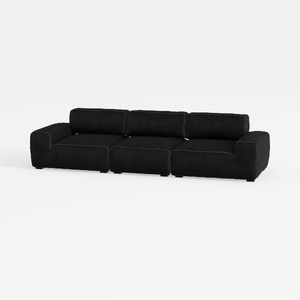
Meridian Furniture 141Black-S4 Indulge Collection
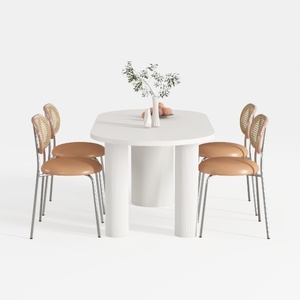
DUOMAY Modern Boucle Dining Chairs Set of 2,
Homestyler is the ultimate online home design platform, perfect for all skill levels. With its user-friendly design tool, stunning 3D renderings, and a wealth of DIY video tutorials, you can transform your space with creativity and ease. Start your design journey today!
Design Now for FREE
































