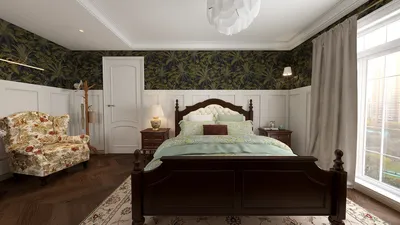


Purple occupies a distinctive spot on the color wheel, balancing the tranquility of blue with the vibrancy of red. This dual nature allows purple to evoke both serenity and boldness. When working on client projects, I often leverage this color to set specific intentions—subtle lavenders for relaxation, rich smoky mauves for warmth, and deep plums for grounding effects. According to WELL v2 guidelines, the quality of light and color temperature play a crucial role in influencing comfort levels and circadian rhythms, suggesting that adaptable lighting strategies should align with functionality. Pairing purple hues with warm white light in the range of 3000–3500K enhances the depth of color without compromising its vibrancy, as noted in the WELL v2 Light concept. Moreover, research from Gensler emphasizes that environments tailored to specific tasks and moods can significantly enhance focus and overall wellbeing, which highlights the importance of coordinating both hue and lighting effectively.
Research in color psychology indicates that lavender and muted violet shades promote calmness and introspection, while deeper purples signal luxury and creativity. To achieve a sophisticated color palette, I've found that following a 60-30-10 approach works best—60% neutral tones, 30% variations of purple, and 10% accent colors. For cozy reading nooks or bedrooms, aim for an ambient light level of 200–300 lux to minimize glare. For creative spaces that embrace vivid purples, consider increasing task lighting to around 500 lux and utilize high CRI (90+) to ensure color accuracy, as recommended by IES practices.
Selecting Your Perfect Purple: Tints, Tones, and Saturation
When choosing purple shades, think in families. Lavender and lilac are cooler and more airy, while mauve and heather provide a soft touch with gray undertones. Rich hues like mulberry, plum, and aubergine bring depth and richness. I treat saturation like a dial—intensify it on a single focal point such as a wall or a plush rug, while keeping other elements muted. In smaller spaces, light tints can create the illusion of higher ceilings and brighter environments, whereas darker tones in larger rooms can foster intimacy and create a peaceful, gallery-like atmosphere.
Prioritizing Light for Correct Purple Visualization
The perception of purple changes significantly under various color temperatures. Warm hues ranging from 2700–3000K tend to enhance mauve and plum, while 3500–4000K keeps lavender looking crisp and bright. Utilize layered lighting to optimize effect: wash the walls with dimmable sconces, add a central pendant light for uniform brightness, and include adjustable task lamps designed to reduce glare. It's also important to consider surface reflectance—choosing eggshell or matte finishes minimizes glare and allows rich purples to maintain a velvety appearance rather than appearing artificial. For media spaces, incorporating bias lighting behind screens helps reduce contrast and accentuates the richness of dark purple walls.
Design Layouts That Let Purple Take Center Stage
Use color to anchor different zones within a space. A plum accent wall can define a dining nook, while a lavender ceiling can make a narrow hallway feel more expansive. When arranging furniture, position the most vibrant purple within the visual focal triangle, typically where a person seated would naturally look first; then softly incorporate that shade into textiles or artwork. When exploring possibilities, a room layout simulation tool, such as Homestyler, can assist in visualizing color combinations versus movement flow and natural light orientation.
room layout tool
Bedroom: Tranquil Lavender to Smoky Mauve
In bedroom settings, I recommend using lavender-gray walls alongside a mauve upholstered headboard, balanced with ecru or sand-colored linens. Implement warm, dimmable lighting with bedside fixtures set to 2700K. To introduce depth and interest, add texture through bouclé throws and sheer linen curtains, avoiding a flat monochromatic look. If a wall features a deep aubergine hue, balance that with lighter flooring and natural wood nightstands to stabilize the overall palette.
Living Room: Deep Plum with Neutral Base
Begin with a neutral foundation—such as oyster-colored walls and light oak floors—then layer in a plum wool rug, lilac cushions, and a standout chair upholstered in berry velvet. Accents in brass or brushed bronze provide warmth without excessive glare. Enhance ambient light by keeping ceiling fixtures to reflect illumination; opting for a satin or eggshell finish can help distribute light evenly across purple surfaces.
Kitchen and Dining: Atmosphere and Appetite
In kitchen spaces, maintain grounded cabinetry with natural oak, white, or smoke-stained ash, while incorporating purple through tile, banquette upholstery, or pendant lighting. A dusty heather backsplash strikes a balance between cleanliness and character. For dining areas, a textured mulberry grasscloth wallcovering offers both sound absorption and aesthetic appeal; complement this with dim-to-warm ceiling fixtures to preserve color richness from meals through dessert.
Home Office and Creative Studios
Utilizing lavender-gray tones can enhance focus without visual fatigue, particularly with 3500K neutral-white task lighting. In creative workspaces, consider a plum pinboard or aubergine storage wall—these hues are energetic yet restrained, making them ideal for background settings during video calls. Research from Steelcase highlights the connection between user control, environmental cues, and engagement levels; modular purple accents, like rugs or wall panels, enable quick adjustments for different tasks.
Bathroom and Spa Areas
Employ soft lilac paired with high-contrast black fixtures for a modern touch. Select marbled tiles that reflect violet undertones for added elegance. In compact bathrooms, reflective mosaic tiles in a pale lavender can help distribute light while keeping an airy feel. Utilizing warm LED strips beneath vanities ensures skin tones remain flattering regardless of lighting conditions.
Materials, Textures, and Finishes
Opting for matte finishes can deepen purple hues, while plush velvets and chenilles introduce a lush feel. Lightweight materials like linen and cotton can lighten the atmosphere. Pairing walnut and white oak with mauve or plum tones enhances cohesiveness, while blackened steel adds sharp contrast. For an environmentally-friendly approach, consider low-VOC paints and Greenguard-certified textiles; purples with gray tones often hide wear better, resulting in a longer-lasting appearance.
Balancing Purple with Complementary Shades
Green sits across from purple on the color wheel, so incorporating sage or olive textiles and plants can create a harmonious balance. Terracotta introduces warmth, while soft blush can serve as a bridge between purple and neutral tones—charcoals can ground vivid moments. Avoiding over-matching is key: let one shade of purple be dominant, while the others serve as support.
Scale, Proportion, and Visual Rhythm
Employ the 60-30-10 design principle to establish hierarchy in your color scheme. For smaller areas, a 70-20-10 division can keep the space feeling airy. Repeating purple across three touchpoints—one large (such as a rug or wall), one medium (like drapes or art), and one small (such as cushions or a lamp)—creates visual rhythm without monotony.
Acoustic and Comfort Factors
Incorporating thicker textiles in plum—such as rugs, drapes, and upholstered panels—can serve as acoustic control in echo-prone environments. In spacious living areas, mauve fabric panels behind seating reduce mid- and high-frequency reflections. For study corners, a lavender tackboard above the desk can soften noise while acting as a focal point.
Natural Light, Glare, and Window Considerations
North-facing light tends to cool, while southern exposure warms a space. If a lavender-painted wall appears chilly in a north-facing room, opt for a mauve with warm gray undertones instead. Implementing layered window treatments—sheers to diffuse daylight and lined drapes to prevent desaturation of purple at midday—can help. Position mirrors strategically to reflect light onto purple surfaces without causing hot spots.
Small Space Strategies
Utilize lighter purples on larger surfaces, keeping high saturation limited to vertical accents, and favor slim silhouettes. A lavender ceiling with white crown molding can visually enhance height, while a plum stripe or wainscoting introduces depth without making the space feel cluttered. Consistent hardware and trim can prevent visual noise.
Maintenance and Durability
Opt for scrub-friendly interior paints in high-traffic areas; deep purples may require touch-up kits due to their pigment density. In sunlit rooms, choose fade-resistant fabrics and rotate cushions seasonally to distribute wear evenly. Patterned textiles in the purple family can help conceal minor stains better than solid hues.
Styling: Art, Botanicals, and Metal Accents
Incorporate abstract artworks featuring lilac accents to unify the color scheme. Fresh eucalyptus or olive branches against mauve walls create a grounded aesthetic. Metals should include brass for warmth, chrome for clarity, and blackened steel for visual contrast. Keeping accessories minimal is essential, as purple has a strong presence on its own.
Quick Palette Compositions
- Serene Bedroom: Lavender-gray walls, sand linens, white oak, matte brass details, and 2700K lighting.
- Intimate Living: Oyster walls, a plum rug, berry velvet chair, walnut accents, and smoked glass with 3000K layers of light.
- Dynamic Studio: A warm white base, an aubergine storage wall, sage accents, and 3500K task lighting paired with dimmable ambient lighting.
- Spa-Like Bath: Pale lilac tilework, honed marble, sleek black fixtures, warm LED lighting under vanities, and linen shower curtains.
Frequently Asked Questions
Q1: What shade of purple is best for smaller rooms?
A1: Choose lavender or heather with gray undertones. Keep larger surfaces light and use darker purples sparingly on smaller accents to avoid making the space feel confined.
Q2: How can I prevent purple from appearing too dark?
A2: Balance deep hues with high-reflectance surfaces—such as light flooring, pale ceilings, and warm 3000K lighting. Matte finishes can also minimize harsh reflections that may feel overwhelming.
Q3: Which colors go well with purple?
A3: Sage or olive greens, sand, ecru, blush, terracotta, and charcoal. To avoid overwhelming visuals, choose one primary neutral color and one accent color for balance.
Q4: Is purple a good choice for a home office?
A4: Certainly! Lavender-gray shades promote focused calmness, particularly when combined with 3500K task lights that ensure accurate colors for documents and screens.
Q5: How should I illuminate a room with dark plum walls?
A5: Layer your lighting effectively—utilize wall washers for vertical surfaces, setting ambient lighting to 2700–3000K, and include adjustable task lamps. Target an ambient light level of 200–300 lux and raise task surfaces to 500 lux.
Q6: What materials enhance the richness of purple?
A6: Fabrics like velvet, chenille, and wool contribute depth; matte-painted millwork or limewash results in a soft finish. Pair with walnut or white oak to add warmth.
Q7: Can I successfully mix multiple shades of purple?
A7: Yes, but maintain a clear hierarchy. Let one shade dominate (such as a wall or large rug), a mid-tone provide support (like drapery or a headboard), and a lighter tint be used for highlights.
Q8: How can I incorporate purple in a rental space without painting?
A8: Use area rugs, removable wallpaper, drapery, upholstered furniture, and artwork to introduce color. Table lamps with lilac shades can also enhance ambiance and provide better light control.
Q9: Can purple colors impact sleep quality?
A9: Soft purples can promote relaxation when paired with warm, dimmable lights and blackout curtains. If you are sensitive to stimulation, avoid placing vibrant purples directly behind your headboard.
Q10: What's a reliable starter palette for incorporating purple?
A10: Consider a mix of 60% warm neutrals (like oyster or ecru), 30% shades of lavender or mauve, and 10% accents in brass or green. Adjust saturation according to the amount of natural light and room size.
Q11: How can I ensure purple complements wood tones?
A11: Test the undertones—cooler lavenders pair best with white oak or ash; warmer mauves work harmoniously with walnut or smoked oak. Consistent finishes help maintain a cohesive look.
Q12: What tips do you have for addressing acoustics in spaces with a lot of purple?
A12: Utilize heavier fabrics within the purple spectrum—like rugs, drapes, and upholstered panels—to help control echo. Incorporating a grasscloth wallcovering in mulberry can enhance both texture and sound absorption.
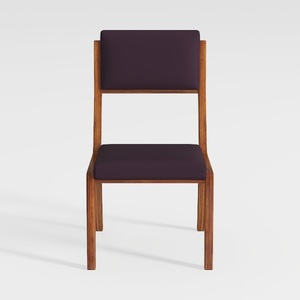
Modern Solid Wood Fabric Upholstered Dining Chair 3D Model
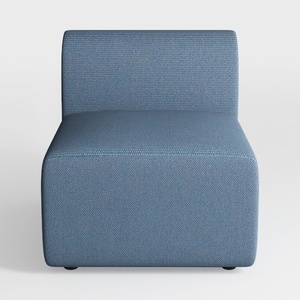
Upholstered Dining Chairs Set of 2 Modern Kitchen
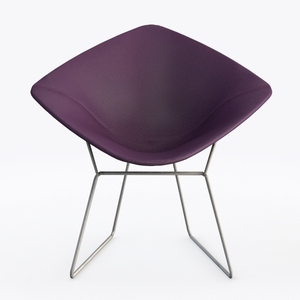
Modern Purple Fabric Metal Wire Frame Armchair 3D Model
Homestyler is your go-to online home design platform, perfect for anyone looking to create stunning interiors. With its easy-to-use design tool, impressive 3D rendering, and a wealth of DIY video tutorials, you'll turn your design dreams into reality effortlessly. Explore today!
Дизайн сейчас бесплатно
































