

P4 Arena is an exhilarating fighting game that seamlessly fuses dynamic gameplay with stunning visuals. When evaluating its graphics, two key concepts come to the forefront: sprites and 3D models. Grasping the functions of these graphic components in P4 Arena can deepen your understanding of the game's design principles, akin to how tools like Homestyler facilitate innovative spatial design.
Traditionally, sprites are flat, two-dimensional images or animations that depict characters or objects in gaming. They serve as basic visuals placed within a game's environment, a concept that has been around since the inception of video game creation. In contrast, 3D models are intricate structures formed from polygons, providing depth and dimension, enabling dynamic camera movements, authentic animations, and richly detailed settings.
In P4 Arena, the game primarily employs well-crafted sprites for character animations while utilizing 3D models for backgrounds, special effects, and transitions. This hybrid strategy capitalizes on the clarity and artistic flair of sprites to produce vibrant, anime-inspired visuals suitable for high-energy combat, without detracting from the immersive depth that 3D models contribute throughout the game.
As a designer, I find this combination truly compelling. The use of sprites allows for artistic precision, ensuring characters stand out with distinct outlines and deliberate exaggerations that enhance the game’s visual style. This innovative method preserves the anime aesthetic, which could easily be overshadowed by relying solely on 3D models. In planning any design project, balancing style with functionality mirrors how P4 Arena merges sprites with 3D graphics. If you're looking to capture the dynamic energy and visual style of gaming in real-life interiors, leveraging tools like Homestyler can enable experimentation with layering, lighting, and perspective, much like how sprites and 3D models collaborate in game design.
Tips 1:
For those planning a themed gaming room inspired by P4 Arena’s visuals, think about integrating wall art and lighting to replicate the vivid outlines and layered effects typical of sprites. Incorporate dimensional features, such as raised panels or textured wallpapers, to reflect the blend of 2D and 3D elements found in the game's design philosophy.
FAQ
Q: What is a sprite in video game design?
A: A sprite refers to a two-dimensional graphic or animation utilized to represent characters, objects, or UI components in video games.
Q: How do 3D models differ from sprites?
A: 3D models are three-dimensional structures composed of polygons that provide depth, realism, and intricate movement capabilities, unlike flat sprites.
Q: Why does P4 Arena utilize both sprites and 3D models?
A: P4 Arena combines sprites for character animations, ensuring a stylized anime appearance, while integrating 3D models for backgrounds and effects to enhance immersive depth.
Q: Are sprites applicable in modern games, just as 3D models are?
A: Yes, sprites continue to be relevant in modern gaming, especially in artsy genres or when clarity of action is paramount, as evident in many fighting and indie games.
Q: Are there design tools available for planning spaces that incorporate both 2D and 3D elements?
A: Certainly! Modern interior design tools like Homestyler enable layering of 2D graphics and 3D models, allowing for visualization of spaces in a manner similar to how game designers amalgamate sprites and 3D environments.

Modern Minimalist Black Metal Round Nesting Coffee Table 3D Model
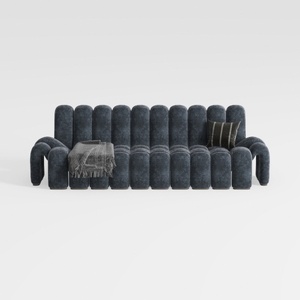

Modern Dark Blue Fabric Channel Tufted Oversized Sofa 3D Model

Modern Marble Metal Split Top Coffee Table 3D Model
Discover your creative potential with Homestyler! This user-friendly online home design platform offers a powerful design tool, stunning 3D renderings, a vast array of design projects, and helpful DIY video tutorials. Transform your space effortlessly and bring your interior design dreams to life!
تصميم الآن مجانا
































