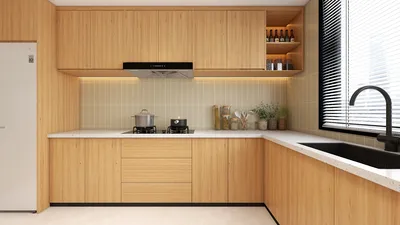


In the realm of interior design, the selection of materials plays a crucial role in shaping the aesthetic appeal and functionality of any space. Robust materials like concrete, stone, and solid wood instill a sense of permanence and strength, making them ideal for establishing a solid and enduring atmosphere. Such materials often evoke reliability and stability, which can be especially beneficial in communal areas such as living rooms and dining spaces. Conversely, lighter materials, including glass, lightweight metals, and various textiles, contribute to an airy and open feel. They can create the illusion of a larger, more welcoming environment, particularly favorable in compact areas or those aiming for a more expansive ambiance. In contemporary design, a skillful blend of heavy and light materials can produce striking visual contrasts that enhance the overall theme. For example, pairing a substantial wooden dining table with elegant, transparent acrylic chairs fosters a compelling balance between weight and lightness. Designers frequently utilize this interplay to highlight specific regions within a space, resulting in a more engaging and nuanced aesthetic. Moreover, the choice of materials significantly influences the sensory experience of an environment. Heavy materials can absorb sound, cultivating a more intimate setting, whereas lighter options can amplify natural light, fostering a connection with outdoor elements. This is why material theory is pivotal in design, encouraging creators to consider not just the visual aspects of a space, but also its tactile and functional qualities. Additionally, sustainability has become a vital focus in modern design. An increasing number of designers are opting for lighter, eco-friendly materials that help minimize carbon footprints while offering versatility in design choices. This shift advocates for an innovative perspective, incorporating environmental considerations into the design process. Ultimately, the interplay between heavy and light materials stands as a cornerstone of design theory capable of transforming an interior. By meticulously selecting materials based on their characteristics and the intended emotional response, designers can craft harmonious and functional spaces that truly resonate with users. This fusion of creativity and pragmatism epitomizes exceptional interior design in today’s world, and tools like Homestyler can aid in visualizing these concepts effectively.
Tips 1:
When choosing materials for your interior design endeavors, contemplate the emotional impact you aim to achieve. Heavy materials can provide grounding, whereas light materials have the potential to elevate the space.
FAQ
Q: What are some common examples of heavy materials? A: Heavy materials such as concrete, stone, and solid wood offer durability and convey a sense of permanence. Q: What advantages do light materials bring? A: Light materials like glass and lightweight metals foster a sense of openness and enhance the influx of natural light within an area.
welcome to Homestyler


Minimalist Black Solid Wood Irregular Coffee Table 3D Model
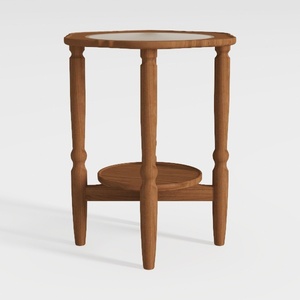
HOOBRO Small Round Side Table with Charging
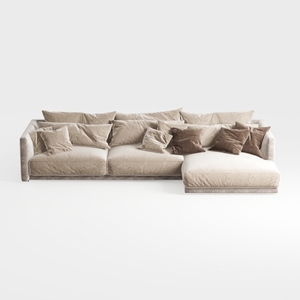
Minimalist Velvet L Shaped Sectional Sofa with Throw Pillows 3D Model
Homestyler is the ultimate online home design platform for anyone looking to create their dream space. With an intuitive design tool, stunning 3D renderings, a wealth of design projects, and easy-to-follow video tutorials, you can transform your ideas into reality effortlessly. Start designing today!
立即免费设计
































