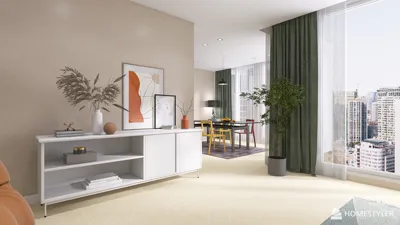


Light grey serves as an incredibly adaptable foundation for contemporary interiors. It moderates brightness, reduces contrast, and creates a pristine backdrop for color highlights, texture, and light. Recent studies by Steelcase reveal that 86% of individuals cherish environments that effectively combine concentration and rejuvenation—light grey aids in establishing this equilibrium by lessening visual distraction while maintaining a modern feel. According to the Illuminating Engineering Society (IES), a lighting guideline suggests approximately 300–500 lux for everyday residential tasks, which harmoniously complements light grey walls, reflecting light without causing glare beneath adjustable, layered lighting.
The calming properties of light grey are reinforced by color psychology. Research from Verywell Mind indicates that muted neutral shades can decrease arousal levels and promote relaxation, especially when paired with warm accents and textural materials. For projects focused on wellness, the WELL v2 standard emphasizes the importance of glare reduction, comfortable color temperatures (typically between 2700–3500K for homes), and access to natural light—ensuring that light grey appears soft and welcoming rather than frigid. If you are organizing furniture and movement patterns, utilizing a room layout tool like Homestyler can help visualize these aspects without overwhelming your space's color scheme.
Enhancing Light Grey with Diverse Lighting Layers
I approach light grey as a reflector instead of a source of illumination. To prevent a flat appearance, it is essential to incorporate three types of lighting: ambient (ceiling-mounted or cove lighting), task (portable lamps, under-cabinet strips), and accent (wall washers, picture lights). Maintain task lighting levels between 300–500 lux for reading or cooking while adjusting ambient lighting to 150–300 lux in areas like living rooms. Opt for warm-white sources (2700–3000K) to balance grey’s cooler undertone and include dimmers for an evening unwinding atmosphere. For effective glare control, consider using diffused lampshades, matte finishes, and aiming fixtures off-axis—IES glare guidelines can be a beneficial reference.
Color Combinations that Revitalize Light Grey
Light grey flourishes alongside subtle color accents. To achieve tranquility, pair it with shades like sand, oatmeal, and soft blush; for a more energetic environment, consider incorporating touches of citron, rust, or midnight blue. I typically establish harmony within spaces using a 60/30/10 rule: 60% light grey backdrop (walls, large rugs), 30% warm neutrals (wood, linen), and 10% bold accents (art, cushions). In bedrooms, serene earthy greens provide a restorative atmosphere, while deep navy in communal areas introduces a touch of sophistication without overwhelming the space. Consistent undertone selection is key—cool greys with a bluish tint pair well with crisp whites, while warm greys are complemented by creamy shades and natural oak.
Textural and Material Selection
Grey requires a tactile richness to come alive. Combining matte paint with bouclé textiles, ribbed wool, and open-grain wood elements creates a layered, low-contrast aesthetic. Consider incorporating a honed stone coffee table, linen drapes, and a loop-pile rug for added depth. Emphasize sustainability by selecting FSC-certified wood and low-VOC paints; WELL v2 stresses the significance of material emissions and air quality, making it crucial to prioritize transparently certified finishes. For metal accents, opt for brushed finishes rather than polished ones to minimize glare; brass can warm up a cooler palette, whereas blackened steel offers a precise definition.
Visual Proportions and Spatial Harmony
Light grey can visually enlarge spaces by minimizing color disruptions. Ensure large surfaces—walls, ceilings, and baseboards—remain uniform in tone, then introduce visual rhythm through vertical elements such as bookshelves or drapes. I advocate for 1:2:3 ratio groupings (small, medium, large) in furniture arrangements to maintain interest. If you’re experimenting with distances between sofas and coffee tables or dining chair spacing, an interior layout planner can facilitate iterations and help confirm comfortable circulation paths of 900–1000 mm: utilizing tools like Homestyler can streamline this process.
Light Grey in Living Areas
In living rooms, maintain a soft shell with light grey walls and a pale rug, then introduce warmth using walnut finishes and layered textiles. A floor lamp featuring a linen shade can illuminate corners gently without casting harsh shadows. To prevent a chill ambiance, incorporate a warm undertone at least three times within the space (wood accents, leather details, bronze accessories), anchoring it with a darker component, such as a charcoal credenza.
Light Grey in Bedrooms
A tranquil bedroom thrives on low contrast. Choose a light grey headboard, crisp off-white linens, and a knitted throw in moss for a harmonious effect. Use blackout-lined drapery to manage morning sunlight while retaining a soft outline; an upholstered bench in taupe can effectively ground the room. For bedside lighting, aim for 200–300 lux with 2700K bulbs, along with a focused reading light that minimizes glare.
Kitchens and Dining with Soft Grey
In kitchen designs, light grey cabinetry with chamfered edges and matte finishes helps to minimize smudges while contributing to a polished aesthetic. Pair these with warm-veined quartz countertops, white oak floors, and streamlined hardware. Task lighting beneath cabinets should achieve a level of 500–750 lux for safety during prep, while pendant lights above dining areas can be set at 250–350 lux for a cozy atmosphere. Consider using upholstered chairs in performance fabrics to provide texture without complicating upkeep.
Pale Grey in Bathrooms
Bathrooms can often convey a clinical ambiance if the grey hue is too cool. To counter this effect, incorporate warmer metals (like brushed brass), a textured cotton bath mat, and soft sconces positioned at eye level for uniform facial lighting. Oversize mirrors can amplify light in the space without causing glare. Using a soft grey porcelain tile with a subtle linear design offers elegance without harsh contrast.
Acoustic Comfort and Activity Patterns
Grey’s visually calming effect pairs harmoniously with sounds that soften the space. Integrate heavy drapery, upholstered furnishings, and area rugs to dampen reflections. In multi-functional homes—serving as workspaces, study areas, and relaxation zones—create micro-zones using light grey backgrounds and adjustable lighting to indicate the purpose of each area: bright task zones enhance focus, while cozier corners invite relaxation. Steelcase’s insights into hybrid work environments underscore the importance of choice and control; grey offers a neutral backdrop that supports various functions in each zone.
Managing Daylight, Glare, and Window Placement
Exposing grey elements to ample daylight can elevate their appeal. To manage contrast, employ sheer drapes, top-down shades, and matte finishes on adjacent furniture. Position reflectivity away from windows to mitigate sharp light reflections. In north-facing rooms, lean toward warm greys with beige undertones; for south-facing areas, cooler greys are preferred to avoid excessive warmth in the environment.
Art, Styling, and Personal Expression
Light grey offers art the space to shine without overshadowing it. Instead of cluttering, curate thoughtfully: feature one large artwork above a sofa and a smaller textured piece across the room. Choose frames that resonate with the metal accents in the area and utilize pedestals or plinths to introduce verticality. Introduce fresh greenery to break the monotony and connect with biophilic elements known to reduce stress levels.
Avoiding Common Mistakes
Grey may appear sterile when everything is overly flat and cool. To counteract this impression, integrate warm textiles, layered lighting, and rich wood elements. Be cautious with high-gloss finishes—they can enhance glare and highlight imperfections. Strategically apply accent colors; deploying too many saturated tones can disrupt the soothing base you’ve created. Above all, test samples in your natural lighting during different times of day, as the same grey can present itself very differently at dawn versus dusk.
Frequently Asked Questions
Utilize warm-white lighting (2700–3000K) and mix in wooden elements. Repeating warm accents at least three times—through textiles, metals, and decorative pieces—helps create a coherent design.
For ambient lighting, target a range of 150–300 lux, with 300–500 lux designated for reading areas, ensuring the grey remains luminous without excessive glare.
Suggested accent colors include rust, midnight blue, forest green, or blush. Limit accents to about 10% of the overall palette for greater control.
Opt for matte finishes to present a more sophisticated look while minimizing fingerprints and glare. If necessary, a subtle satin finish can be reserved for durability.
Implement sheer window coverings or top-down shades, matte surfaces, and avoid placing reflective décor directly opposite windows to prevent glare issues.
Incorporating materials like walnut, rift-cut oak, bouclé, linen, wool, and honed stone add warmth and texture without overwhelming saturation.
Certainly! Maintaining consistent light grey across walls and trim produces a seamless visual flow, making rooms feel more spacious, particularly with simple, unobtrusive furniture designs.
Utilizing an interior layout planner, like Homestyler, can help you visualize arrangements while ensuring that circulation paths remain around 900–1000 mm clear for maintaining a calm aesthetic.
2700K is preferred for winding down in the evenings. Consider including a focused reading light with glare control for nighttime activities.
Incorporate black in subtle accents—like lamp frames, picture frames, or a singular charcoal element—to introduce definition without dominating the space.
What began as an Autodesk innovation has evolved into a design platform used by more than 18 million people around the globe. Homestyler combines powerful rendering, an intuitive editor, and a vast furniture library to help you turn inspiration into photorealistic designs — whether you're redesigning a single room or planning an entire home.
Discover Homestyler, your go-to online platform for home design! With its user-friendly design tool, stunning 3D renderings, and a wealth of inspiring design projects and video tutorials, you can effortlessly create and visualize your dream space—perfect for both novices and seasoned designers!
Desain sekarang Gratis
































